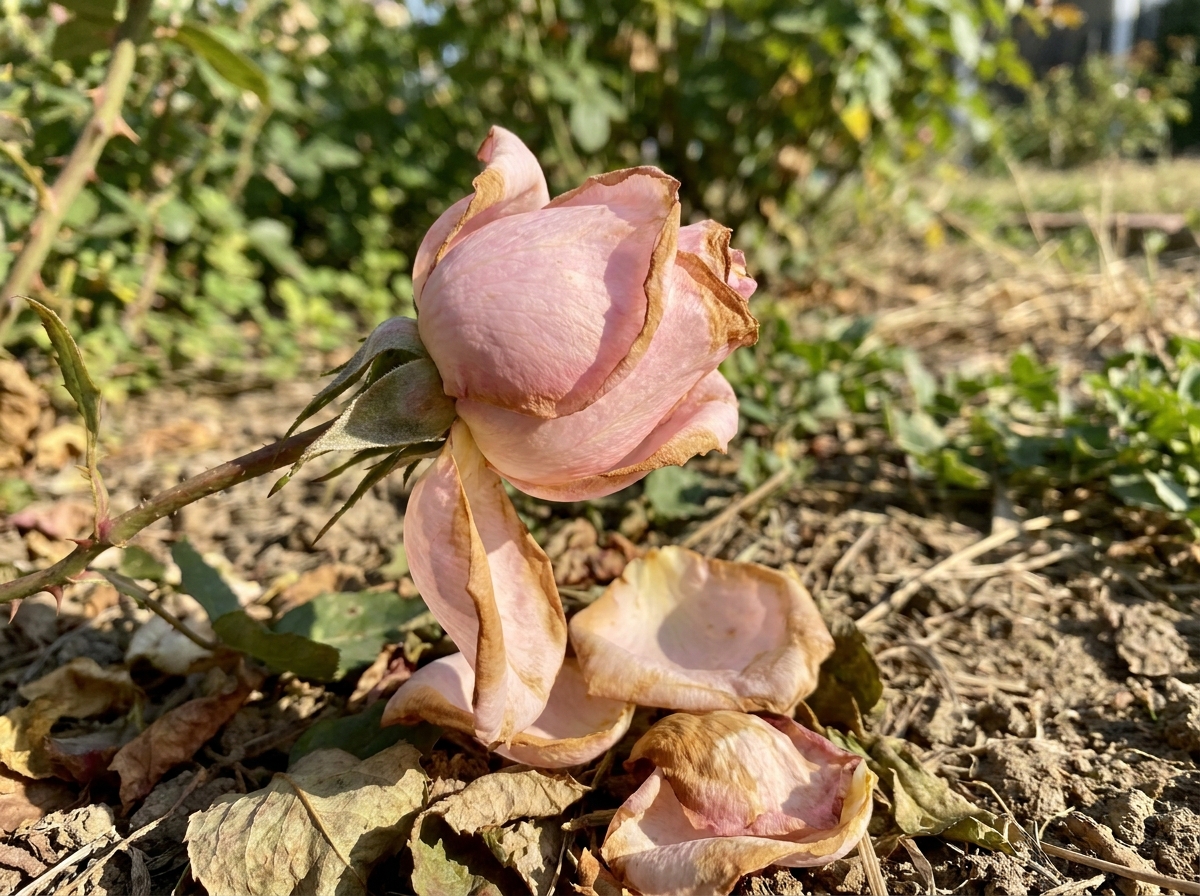
Deadheading is one of those garden habits that feels productive—snip, tidy, repeat. But on a surprising range of summer flowers, you are not encouraging more blooms.
You are ending the show early. Some plants bloom once. They set seed. Then they stop.
Cut the head before the seed forms. You have interrupted the only cycle they have. Here is which flowers to put your scissors away for—and what to do instead.
The logic behind deadheading is sound for repeat bloomers. Pulling off spent flowers prevents the plant from funneling energy into seed production. This redirects precious resources into new buds. Petunias, marigolds, and dahlias genuinely respond this way.
Keep cutting. Keep blooming.
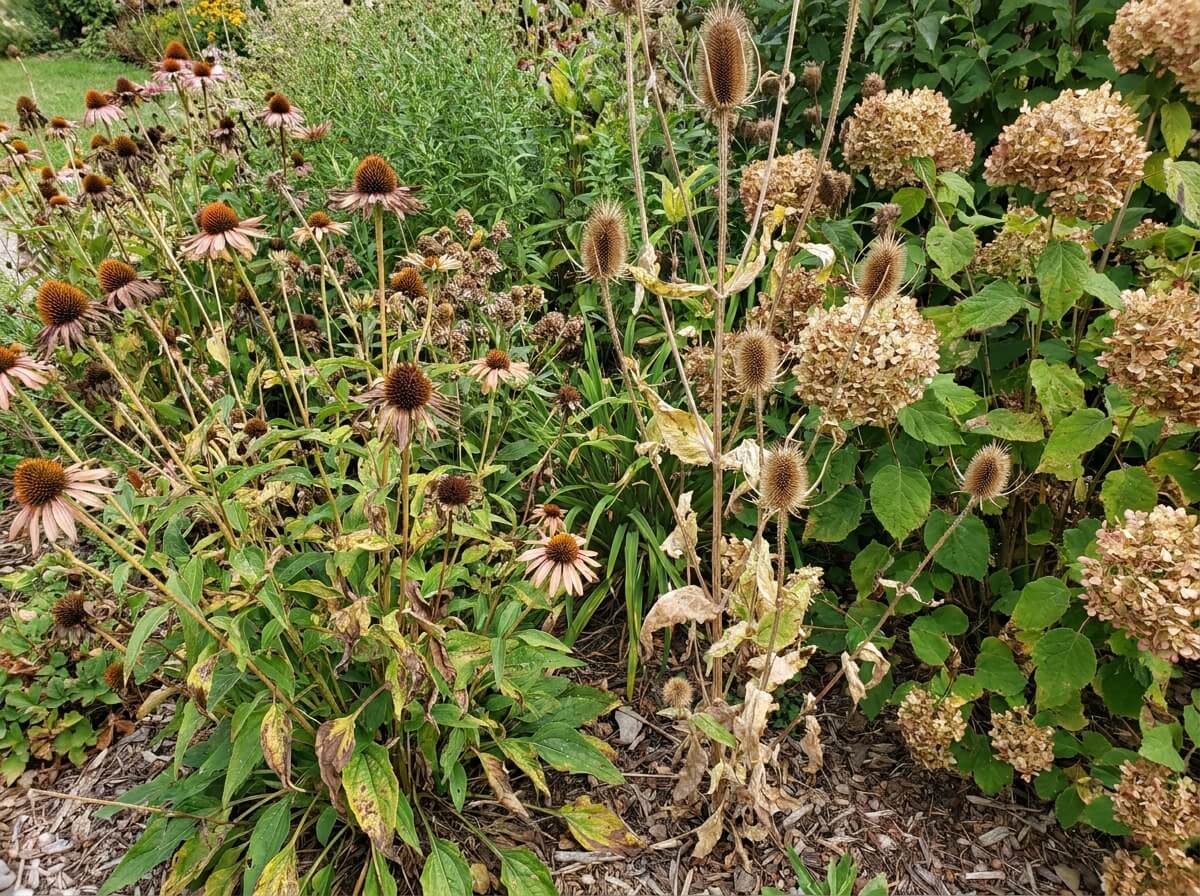
But not every flower works on that loop. Cosmos, rudbeckia, echinacea (coneflower), nigella, and most annual grasses are single-cycle bloomers—they flower, set seed, and their job is biologically complete. The moment you deadhead them before seed development, you have pulled off their only remaining purpose. The plant does not push out a second flush. It simply declines faster.
Nigella is perhaps the most dramatic example. The seed pod that forms after flowering is architectural. Papery. And beautiful in its own right.
Cut it off in the name of tidiness. You have lost both the ornamental pod and any chance of self-seeding for next season.
Over a full summer, relentless deadheading of the wrong plants produces a garden that peaks in early summer. Then it quietly collapses. Borders look increasingly thin by late summer.
You wonder why your echinacea never spreads. It is a proper issue. You buy new cosmos seeds every year without realising the old plants could have done the work for you.
There is also a wildlife cost that most gardeners do not think about. Rudbeckia and echinacea seed heads are a truly non-negotiable food source for finches and sparrows from late summer through autumn. Research from the RHS Wildlife Gardening programme consistently shows that leaving seed heads standing is one of the single highest-impact actions a gardener can take for garden birds.
And the self-seeding argument is real. Cosmos dropped from a well-placed seed head will germinate the following spring. Zero effort on your part.
That is free plants. Dozens of them. All from one decision to put the scissors down.
The fix is a quick triage of every flowering plant in your borders. Separate your deadheading habit into two distinct categories:
Yes, it is fiddly to think about which plant gets what treatment. Worth it, though. Do it anyway. The difference between a border that performs until October and one that fades in August is mostly this non-negotiable decision.
For annuals you want to push harder this season, read Do This to Your Annuals Right Now or You Will Lose Color All Summer. A few additional techniques stack well with this approach.
A flower head that is turning papery and pale rather than brown and soggy is entering seed development. That is your clear signal to leave it. Soggy, rotting heads are a different story; pull those off to prevent botrytis spreading to healthy stems.
So, if a plant you deadheaded last year never self-seeded despite being in a self-seeding species, that is almost always because you cut too early. Before any viable seed had formed. The University of Maryland Extension notes that seed viability in most annuals requires at least three to four weeks after the flower fully opens. Cutting at petal-drop is often already too late.
Watch for stems that stiffen and dry naturally on their own. That is the plant doing exactly what it is supposed to do. Leave them standing until the seed is fully ripe.
Then decide: collect, or let them fall where they stand.

Smart tip: If a seed head rattles when you shake it, the seed is ready. Collect or leave it, but do not cut it.
Sweet peas, petunias, marigolds, and geraniums are properly the highest-responders. Deadhead every two to three days, and they will rebloom continuously until frost.
Rudbeckia, echinacea, and nigella seed heads are genuinely ornamental. They look intentional in a naturalistic border. This is a design choice, not neglect.
Cosmos are borderline. Lightly pulling off the very first spent blooms in early summer can extend flowering slightly. But once peak summer hits, leave them to set seed and self-sow for next year.
Deadheading pulls off individual spent flower heads to redirect energy. Cutting back is a harder prune of stems and foliage. A different action with different timing and goals for each plant entirely.