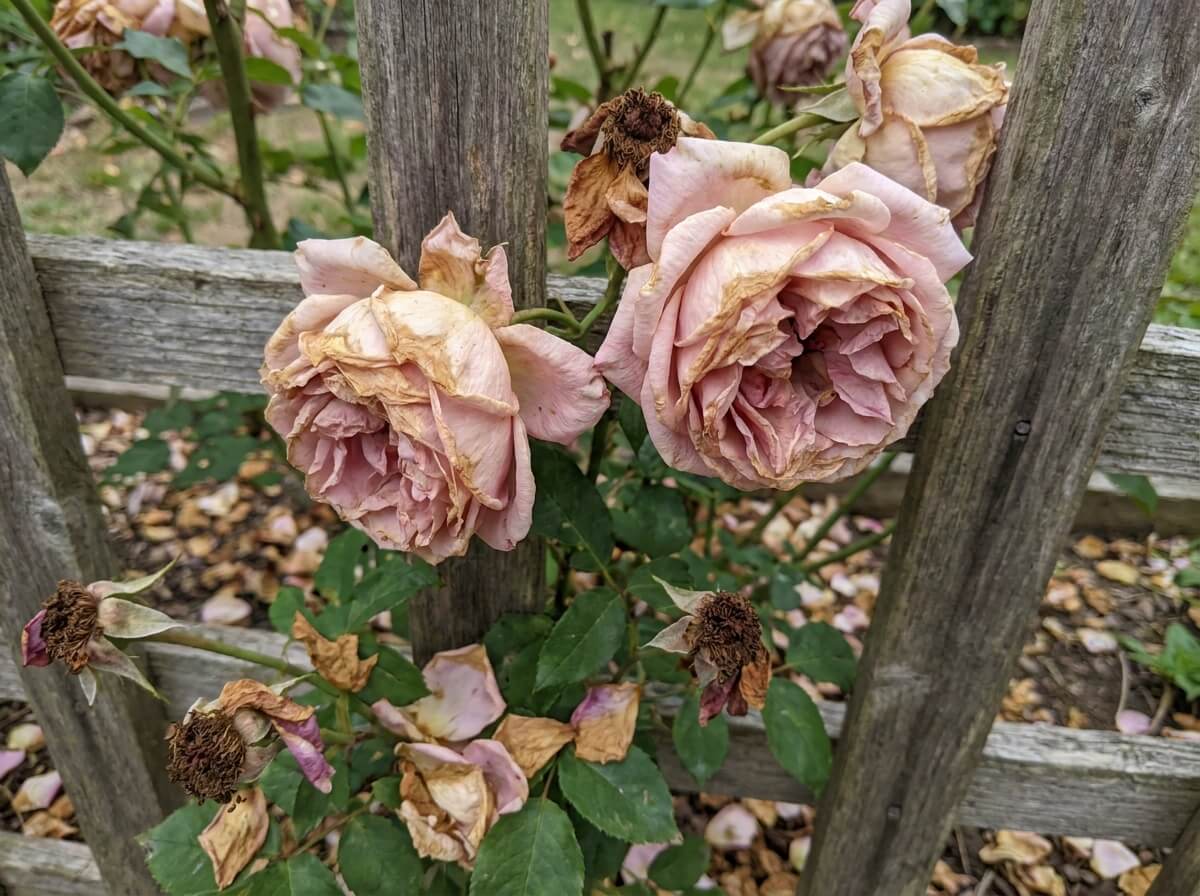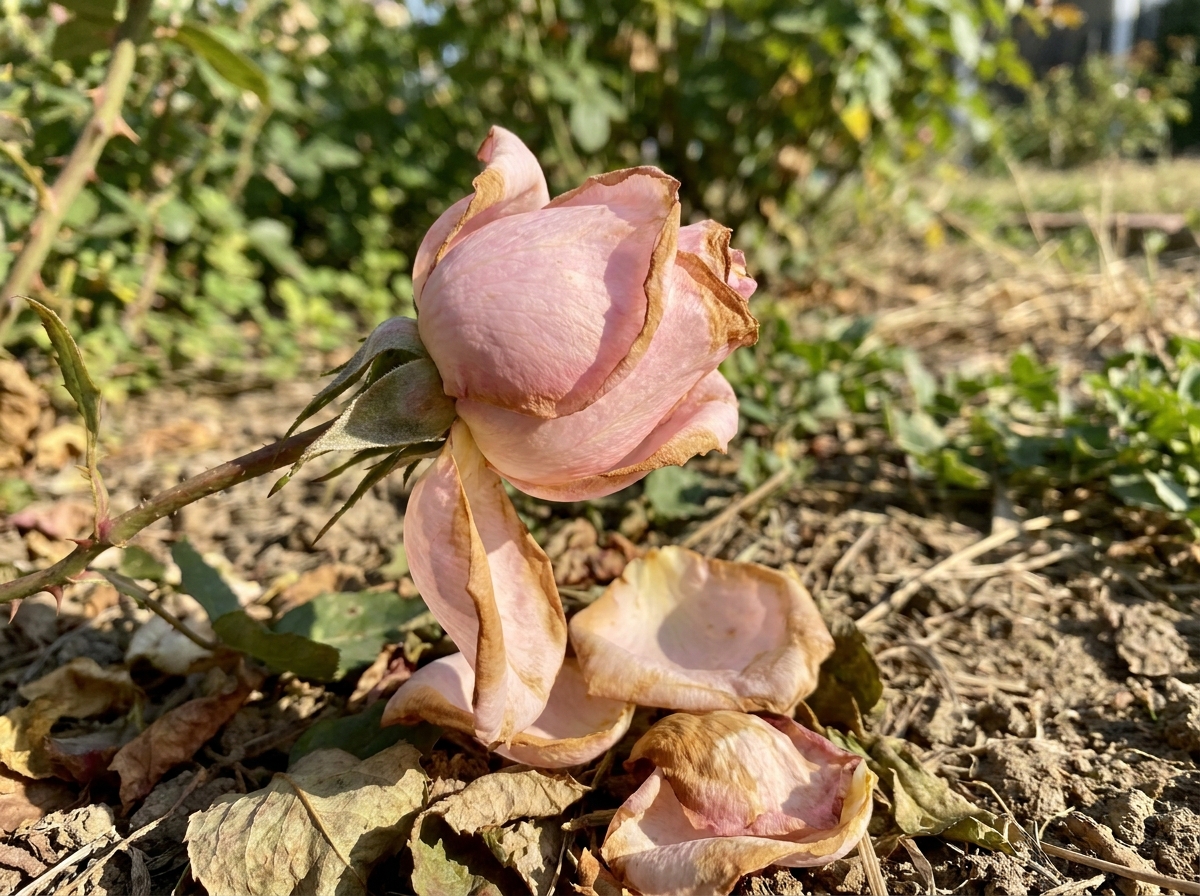
Your rose opens for about three days, goes brown at the edges, and falls apart before you’ve even had a chance to cut it for the house. You’re not imagining it — June can be brutal on roses, and there are two or three dodgy things happening right now that cause exactly this.
The decent news: most of them are fixable today, this week, before your next flush is ruined. Short and sweet, non?
There’s a thing called balling — where the outer petals get wet, dry in the heat, fuse into a sort of papery cage, and the bud can never open properly. It’s rotting from the inside. Smells faintly sweet and wrong, like overripe fruit left in a warm car. I didn’t know what it was for years; I just thought I had dodgy roses.
But balling isn’t the only culprit. Early petal drop in June’s usually one of these:
The thrips one catches people out. You don’t see them — they’re 1-2mm, hiding in the folds of petals — but the flowers shoot up distorted, streaked, and collapse within 48 hours of opening.
I lost half a bed to this in June 2022 before I figured it out. Seriously, it was a faff.
Honestly? One flush lost isn’t a disaster. Roses are resilient in a way that, say, hibiscus absolutely aren’t. But leaving diseased buds on the plant is where people go badly wrong. Proper wrong, I mean.
Botrytis spreads. It’ll move from the rotting bud into the stem, and by July you’re cutting out whole canes.
And if thrips are the issue, they’re breeding right now — a second generation’ll emerge in about a fortnight and hit your next flush even harder.
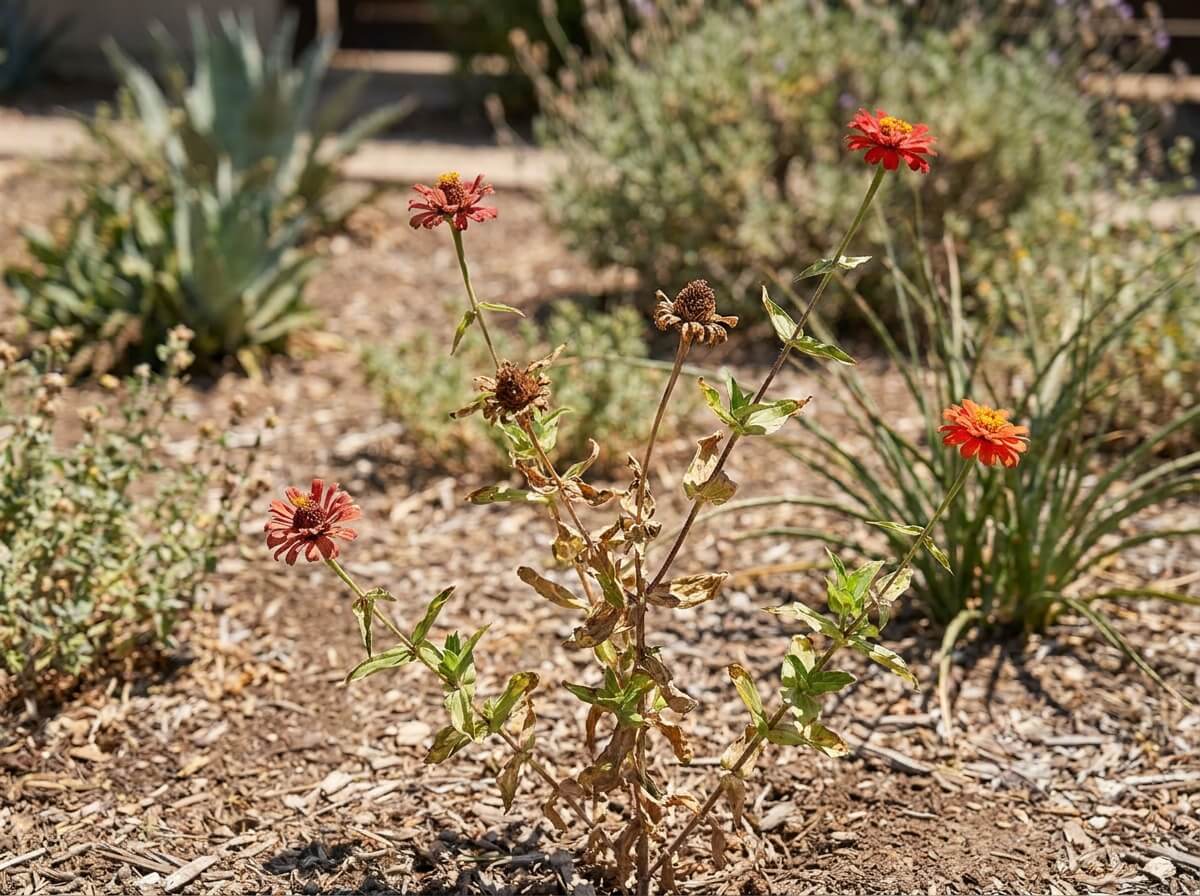
The other quiet killer? It’s feeding neglect. A rose that’s just pushed out 30 flowers has used up a properly huge amount of potassium and phosphorus.
If you don’t replace that, the next flush’ll be weak, fast-dropping, and frankly sad to look at.
First: pull off every damaged or brown-edged bud immediately — don’t deadhead and leave it on the soil, bin it or burn it. It’s non-negotiable if you suspect botrytis. Don’t overthink this. Seriously.
Then work through this short list:
Look, I know this sounds like a lot. But the whole thing takes about 25 minutes once you’ve got the spray mixed. The RHS has a decent breakdown of rose diseases if you want to cross-check symptoms — their botrytis photos are properly worth seeing once, just to know what you’re looking at.
Blackspot doesn’t cause petal drop but it does weaken the plant so badly that the July flush suffers. If you’re seeing black spots on leaves right now — not yellowing, actual black spots — that’s a separate faff building in parallel.
Also watch for blind shoots: stems that shoot up strongly, look healthy, then simply don’t form a bud at the tip. It’s usually a calcium or light issue. The University of Maryland Extension has decent guidance on soil prep if you suspect a deficiency.
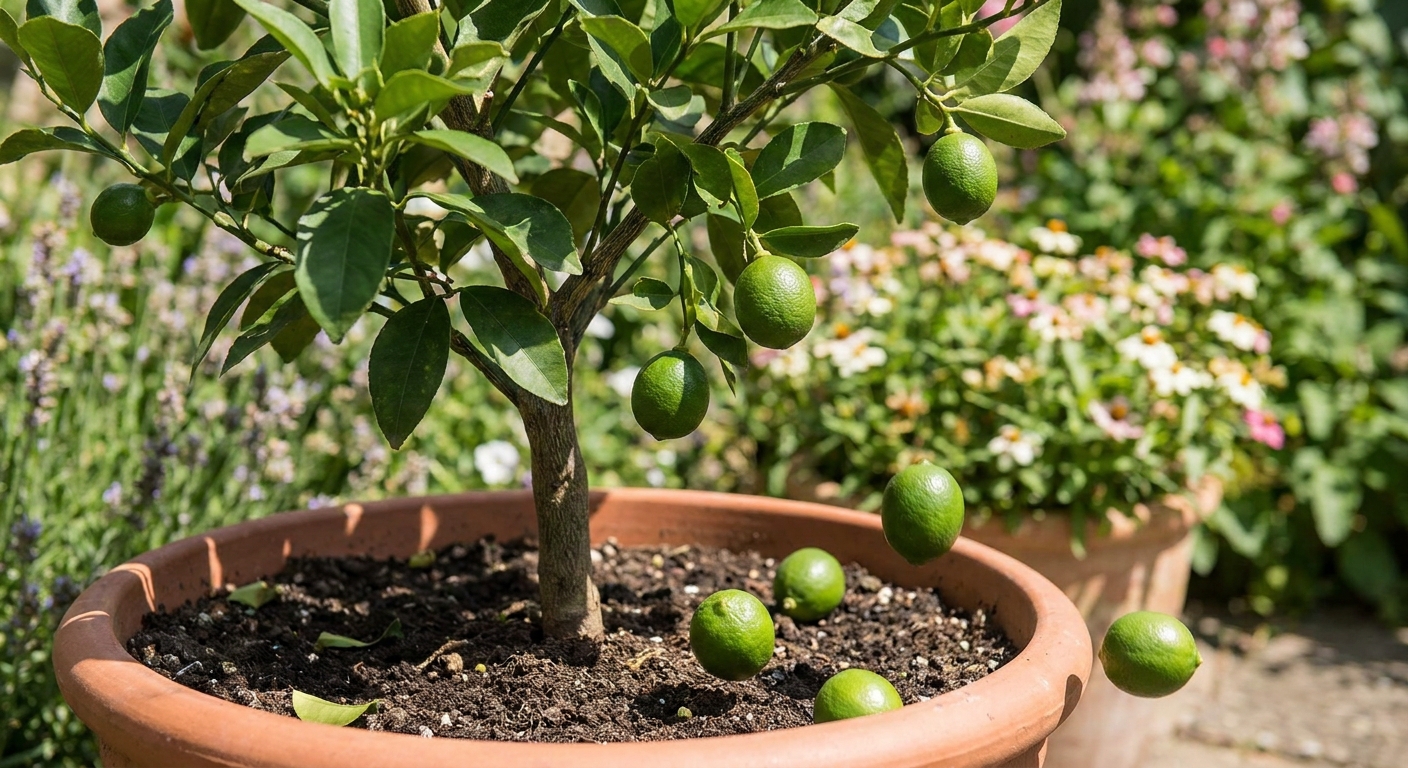
And if your roses are in pots — same rules, but everything moves faster. Potted roses stress quicker, dry out quicker, and drop petals quicker.
Water them every single day in June if they’re in full sun, no exceptions. Honestly, a rose can get properly knackered if it’s not. My grandmother in the Vendée always swore by daily watering for her container roses; she called it ‘l’élixir de la belle’.
Southern Hemisphere gardeners: it applies to your December flush — bookmark it now.
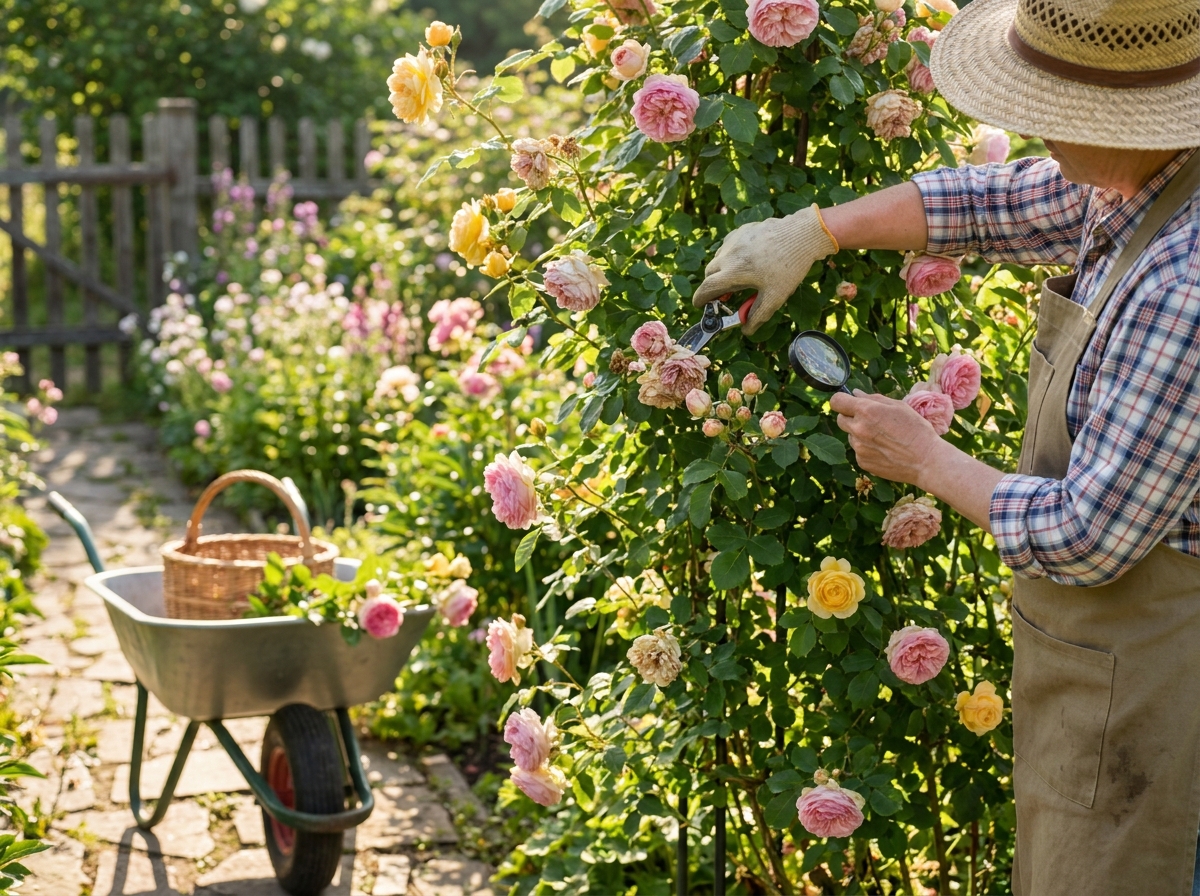
Smart tip: Pull off rotting buds the moment you spot them — every hour you wait, botrytis spreads further down the stem.
It’s usually balling (wet outer petals fusing in heat), botrytis mould, or thrips damage. Check inside the bud — if it’s mushy and dark, it’s fungal; if it’s discoloured and distorted, suspect thrips.
Yes, absolutely — it’s exactly when they need it most. A high-potassium feed like rose fertiliser or Tomorite applied now does wonders for the next flush forming underneath.
Balling itself isn’t fungal — it’s a mechanical faff caused by damp and heat — so fungicide won’t help. Pull off the balled buds by hand and improve air circulation around the plant.
Not necessarily. A single heavy rain event can knock petals from flowers that were already past their peak.
If it keeps happening to fresh buds, that’s when to investigate further.