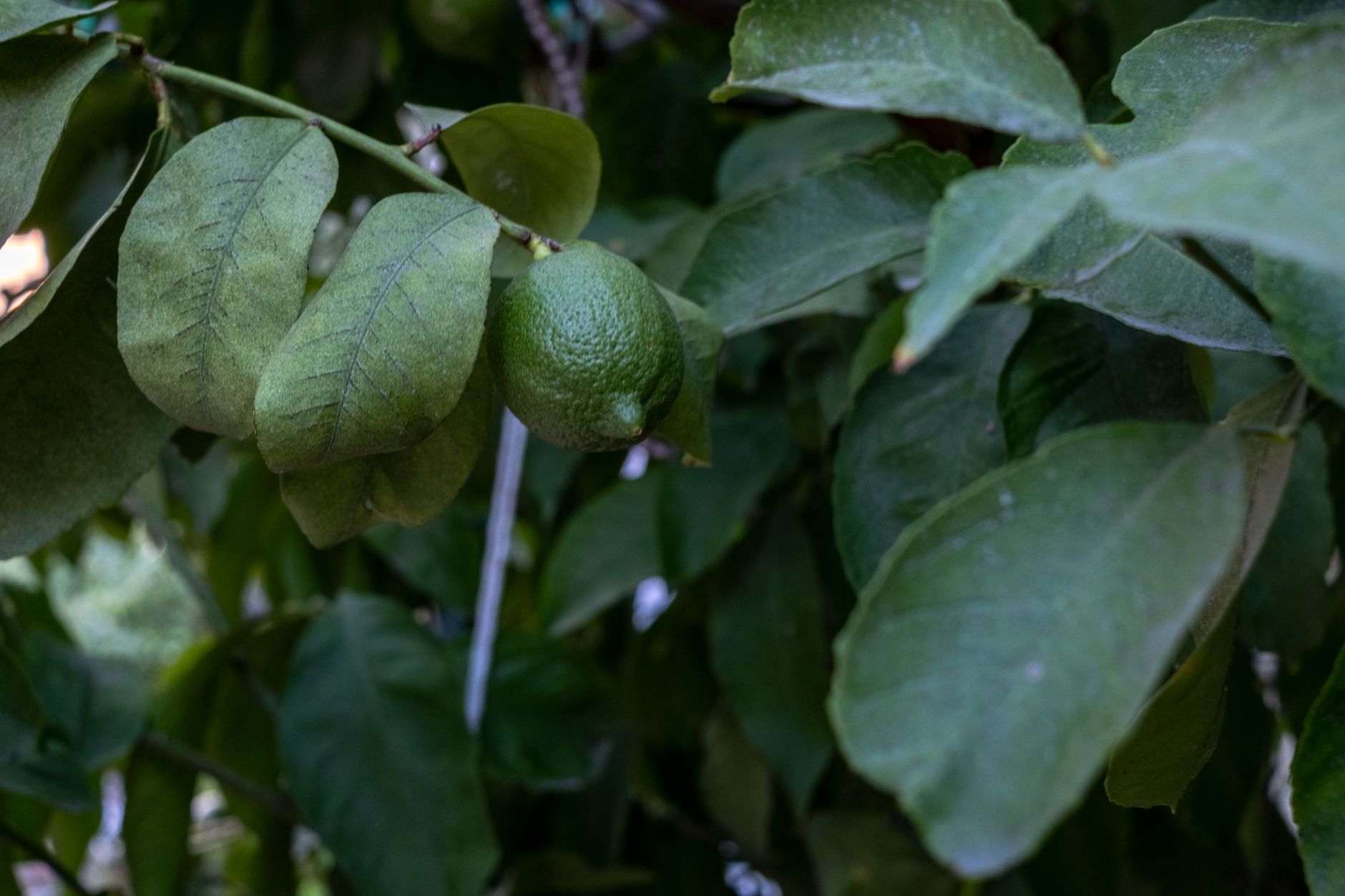
You’re out one morning, probably before your first coffee, and you find a bunch of tiny green fruits scattered all over the ground under your lemon or lime tree. The tree itself? Looks totally fine. The leaves look fine, too. Nothing dramatic, just… fruit. Everywhere. Gone. This is what we call June drop, and before you panic, seriously: it’s partly normal. But only partly. It isn’t always fine. Here’s how to tell if your tree’s just doing its own thing, or if it’s quietly screaming for help.
Almost every citrus tree, believe it or not, drops a percentage of its fruitlets in early summer. It’s self-thinning — your tree just sets way more fruit than it can realistically ripen, then it sheds the excess once it’s figured out what it can actually support. In my garden, my four-seasons lemon drops maybe 30% of its June fruitlets every single year, and the ones that stay? They’ve gone on to be absolutely perfect. That bit? Totally normal.
The problem is when the drop just doesn’t stop. You know? The culprits, in rough order of likelihood:
Okay, here’s a weird detail I’ve honestly never seen in any gardening book: citrus trees are highly sensitive to ethylene gas — that’s the same ripening hormone that fruit itself produces. So, if you’re storing fallen fruit right near the base of your tree? It’s actually going to accelerate further drop. Leaving fallen fruit around the base doesn’t work. Full stop. Remove it immediately. Every single time.
A moderate June drop? It’s completely harmless, genuinely beneficial even. But if your tree’s dropping fruit over several weeks and the new fruitlets keep falling before they’ve even reached marble size, well, that’s a totally different story. Chronic fruit drop isn’t just a nuisance; it’s the tree telling you something systemic is seriously wrong — and if you ignore it through, say, about three weeks in August, you won’t just lose this year’s crop. Prolonged stress weakens the root system, makes the tree vulnerable to scale insects and spider mites, and it’s even gonna reduce next year’s flowering.
Container-grown citrus are especially vulnerable. A lemon or lime in a pot, you see, has no buffer — no deep soil reserves, no access to groundwater. Miss just two waterings during a hot week in June and the tree? It can shed nearly everything it’s set. I’ve killed three pot-grown limes before I properly understood this. The pot size matters enormously: anything under 40 litres — wait, that’s not quite right — let’s be real, a 30-litre pot might even dry out dangerously fast in serious summer heat. Check out our full guide to growing citrus trees if you’re managing multiple varieties.
This week. Definitely not next week. June’s when the outcome of your whole fruiting season is seriously decided, you know?
And according to UC Cooperative Extension research on citrus physiology, fruit retention in early summer? It’s directly correlated with consistent soil moisture during the cell division period — which is, you guessed it, right now, in June.
Fruit drop might just be the first symptom, but you’ll want to watch for these too. Yellowing leaves alongside fruit drop usually means a watering or nutrition issue. But yellowing between the veins (while the veins stay green)? That’s classic magnesium deficiency, super common in pot-grown citrus, isn’t it? Sticky leaves or a sooty black coating mean scale insects have arrived, and they’re really going to love a stressed tree. Pale, mottled leaves with tiny webbing on the underside? Spider mites — they thrive when summers turn hot and dry, which are exactly the conditions triggering fruit drop in the first place. If your tree’s in a container and hasn’t been repotted in three or more years, root crowding could very well be the root cause — literally! This is worth investigating before you go blaming the weather, you know? For lime and lemon varieties that’ve been especially difficult, our article on the lemon tree covers root care in more detail. That’s a good read.
Hey Southern Hemisphere gardeners: June’s your mid-winter, so active fruit drop isn’t as likely right now — you’ll want to revisit this in December/January when your summer heat arrives.
Smart tip: Remove any dropped fruit from around the base immediately — leaving it there? It’ll just accelerate further shedding. You don’t want that!
Yep — all citrus self-thin in early summer, dropping fruitlets they just can’t ripen. A drop of, say, 20–40%? That’s completely normal. It only becomes a problem when fruitlets keep falling over many weeks, or if the tree sheds almost everything it’d set. That’s when you’ve got an issue.
Container citrus trees typically need deep watering every 3–5 days in warm weather — less if temperatures are mild, but definitely more during heatwaves. Always check the soil before watering, though: the top 2–3cm should’ve dried out a bit, but you don’t want the full pot bone dry.
For most lemon and lime varieties, no, you don’t really need to — they’re good at self-thinning efficiently on their own. But for heavy-bearing trees like mandarins or clementines, manually removing some fruitlets in June can totally improve the size and quality of the remaining fruit. Just leave one fruit per small cluster, you know?
Almost always, yes — especially if you get the underlying cause fixed quickly. Address that watering consistency and feed the tree this week. Your tree will definitely recover its vigour and should flower and set fruit normally next season. It’s got it in it.