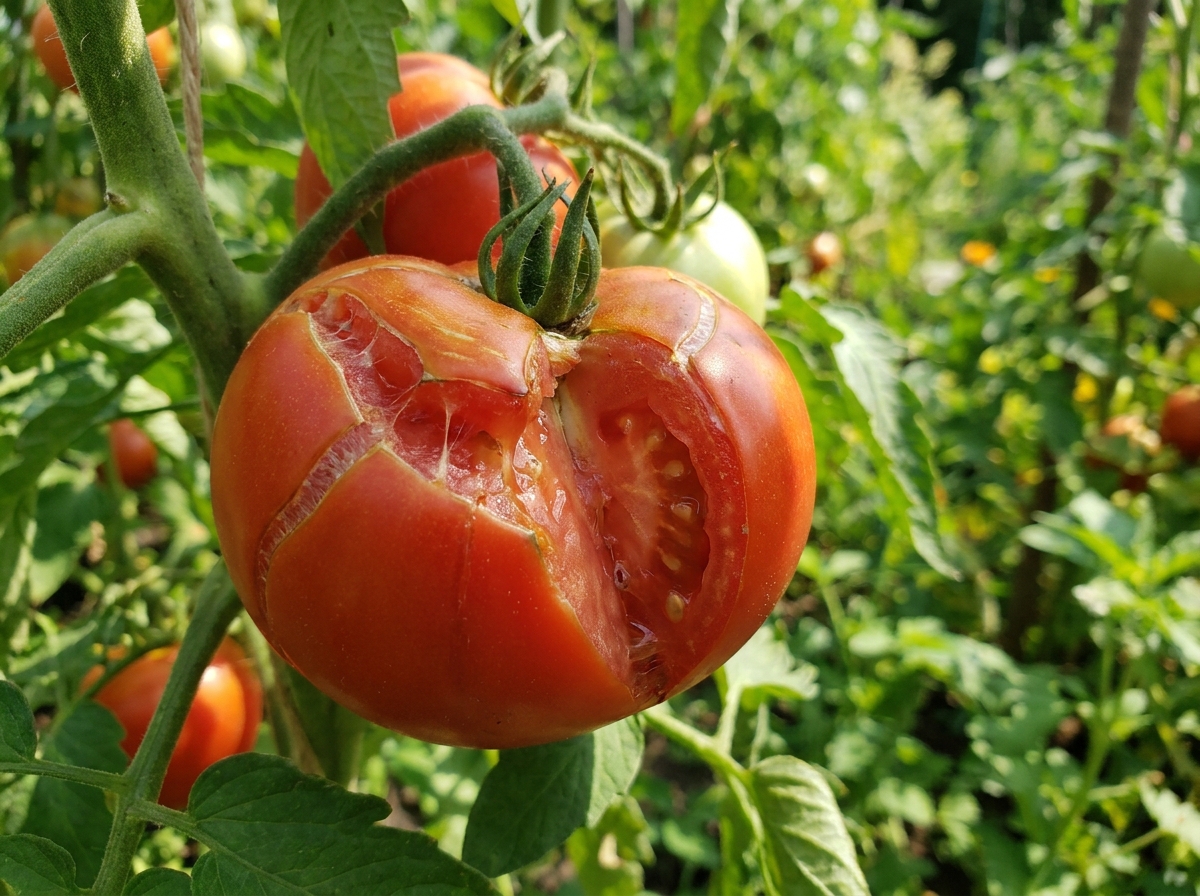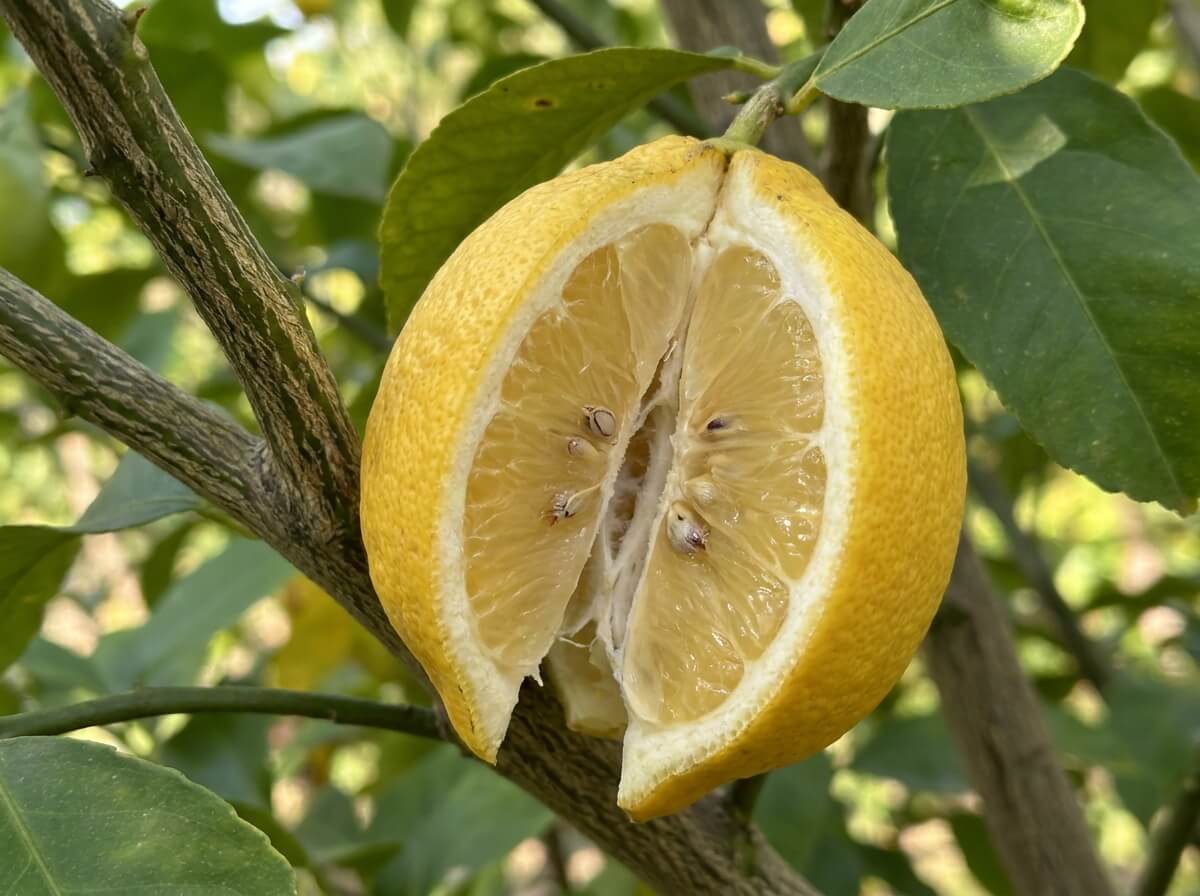
You walk out on a summer morning and find it: a lemon, lime, or orange with its skin cracked wide open, pale flesh bulging through. No pest did that. Not even a dodgy one.
No disease. The culprit’s a surge of water pressure inside the fruit. But the good news: Once you understand the mechanism, you can stop it before it reaches the rest of your crop. So your harvest’s safe.
The rind and the flesh of a citrus fruit shoot up at different rates. During a dry spell, the rind thickens and toughens slightly, adapting to the stress.
And then comes heavy rain — or a big, compensatory watering session. The flesh inside absorbs water rapidly, swelling within hours. The rind, rigid and slow to adapt, simply can’t expand fast enough.
It tears. The sound, if you’re close enough in the early morning quiet, it’s almost imperceptible — a faint pop.
By the time you notice, the damage’s done.
Erratic hydration’s devastating. The watering mistake that stops citrus trees fruiting in summer won’t just affect fruit set; it physically destroys the fruit that’s already there. Potted trees are especially vulnerable. Their limited soil volume swings between dry and saturated far faster than in-ground roots.
The tree itself’s fine. The fruit isn’t.
A split citrus can’t recover. It’s proper done for. Once the rind cracks, the exposed flesh becomes an immediate target for fungal rot and secondary bacterial infections — the RHS confirms. Botrytis moves in within 24 to 48 hours in humid summer conditions. Left on the branch, a split fruit can spread infection to neighbouring healthy fruits through contact or airborne spores.
Pull off split fruit immediately. Don’t compost it if rot has already started — bin it.
And check the surrounding fruits for early soft spots.
If you’re dealing with a potted citrus, the stakes are slightly higher. Root stress compounds the issue. A potted lemon already stressed by summer sun is pushing water upward less efficiently, making moisture spikes even more dramatic at fruit level.
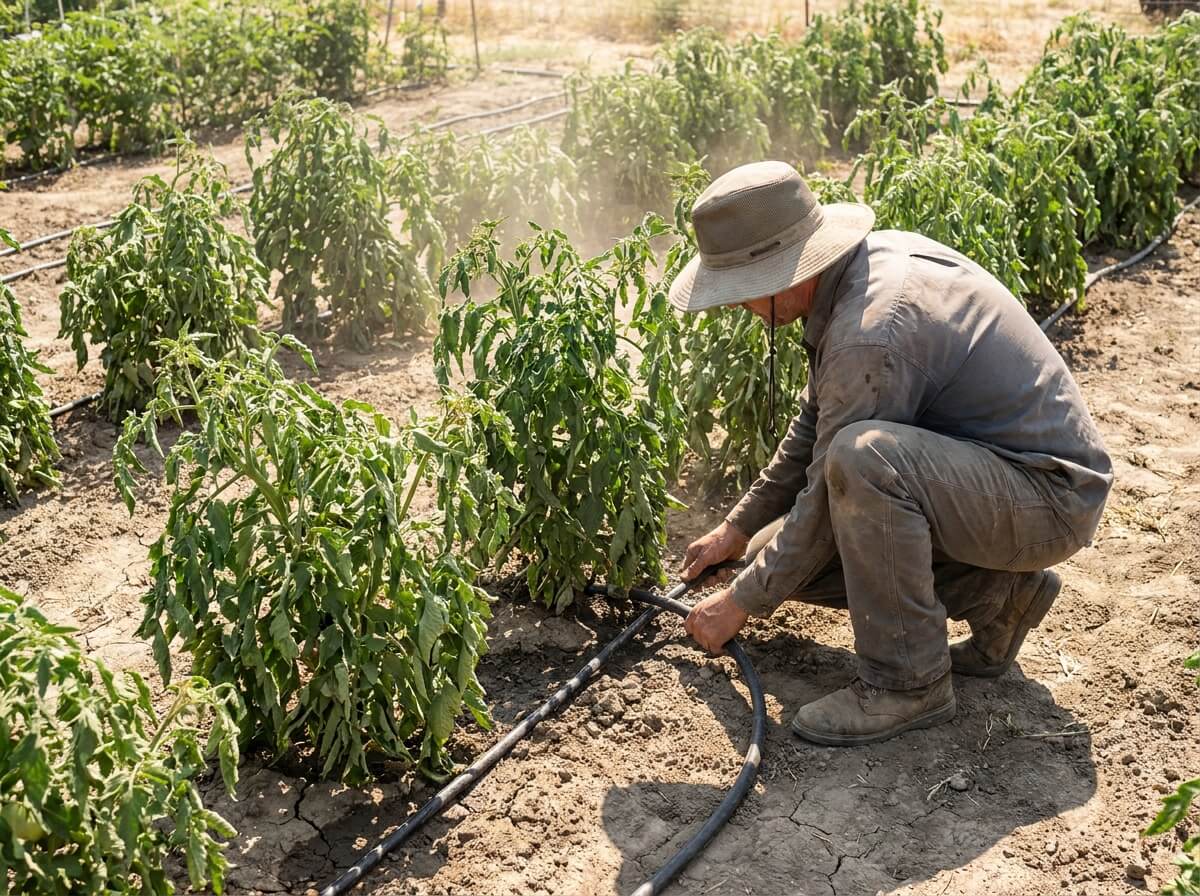
The goal’s moisture consistency — not more water, not less, but steady. Here’s where to start:
UC Davis Cooperative Extension research on citrus physiology confirms that maintaining consistent soil moisture in the two weeks before and after fruit swell’s the single most effective intervention against rind cracking. Yes, it’s fiddly. Worth it. The difference between a consistent watering regime and a haphazard one’s visible in the harvest. That’s bang on.
Splitting doesn’t always arrive without warning. Watch for these early signals:
The thing is, if you spot any of these, don’t wait. Adjust your watering immediately and mulch within the same day.
Citrus responds within 5 to 7 days to improved moisture management — you’ll see leaf tension ease before the fruit situation stabilises.
For those growing multiple varieties, it’s non-negotiable: You need to know which are most vulnerable. Our findings on citrus trees through peak heat show navel oranges and grapefruits tend to split earlier in a drought-then-rain cycle than lemons. That’s worth remembering, especially for the next fortnight, if you’re prioritising which tree to mulch first.
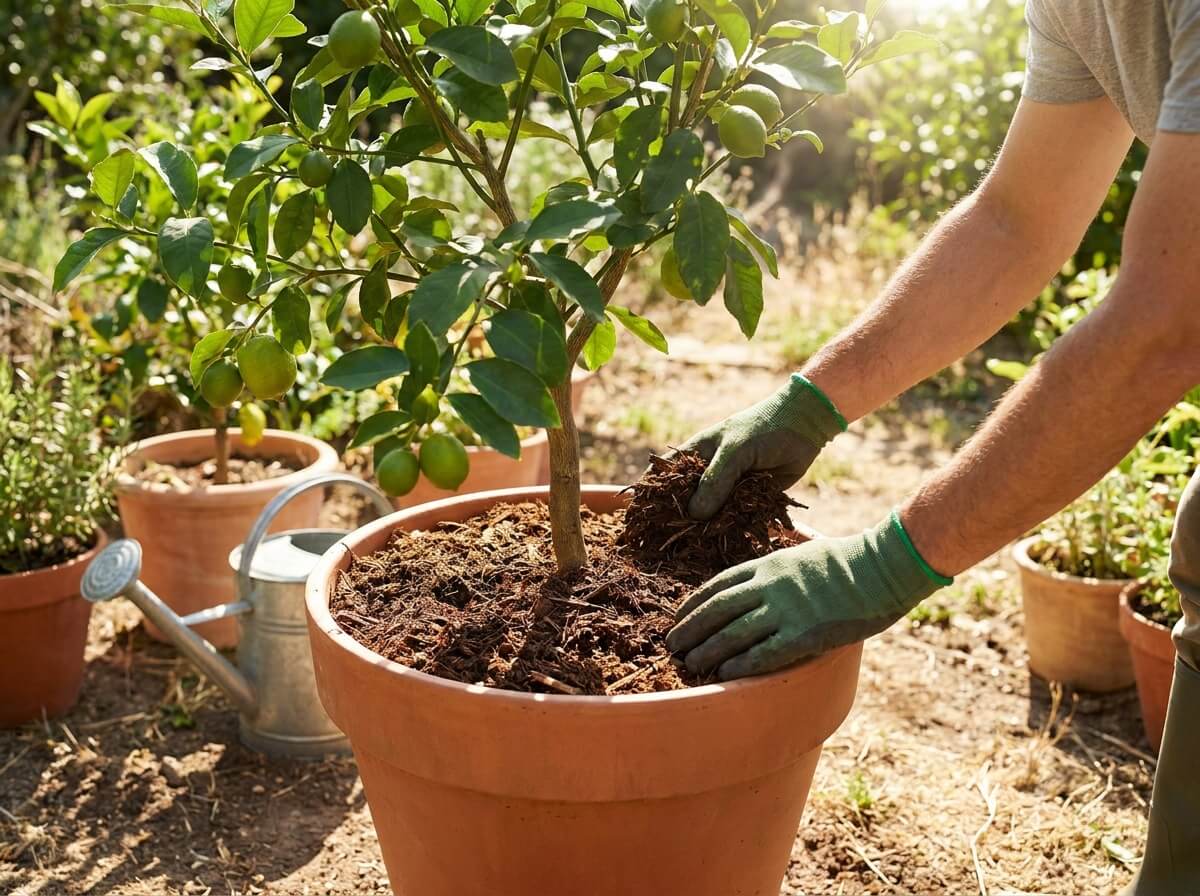
Smart tip: Mulch applied before a heatwave prevents more fruit splitting than any amount of corrective watering afterwards.
If you catch it within a few hours and the flesh looks clean with no soft or discoloured spots, yes — eat it immediately. Any sign of browning, fermentation smell, or mould means discard it.
No. Splitting’s a physiological response to moisture stress, not a disease.
A healthy tree can split fruit just as readily as a struggling one if your watering’s a bit dodgy.
Navel oranges and grapefruits are the most prone, followed by clementines. Lemons and limes split less frequently because their rinds are naturally more elastic — though they’re not immune.
If you’re in Australia, South Africa, or New Zealand, this applies to your fruit development season around December to February. Winter fruit on established trees can still split if irrigation’s irregular during warm dry spells.