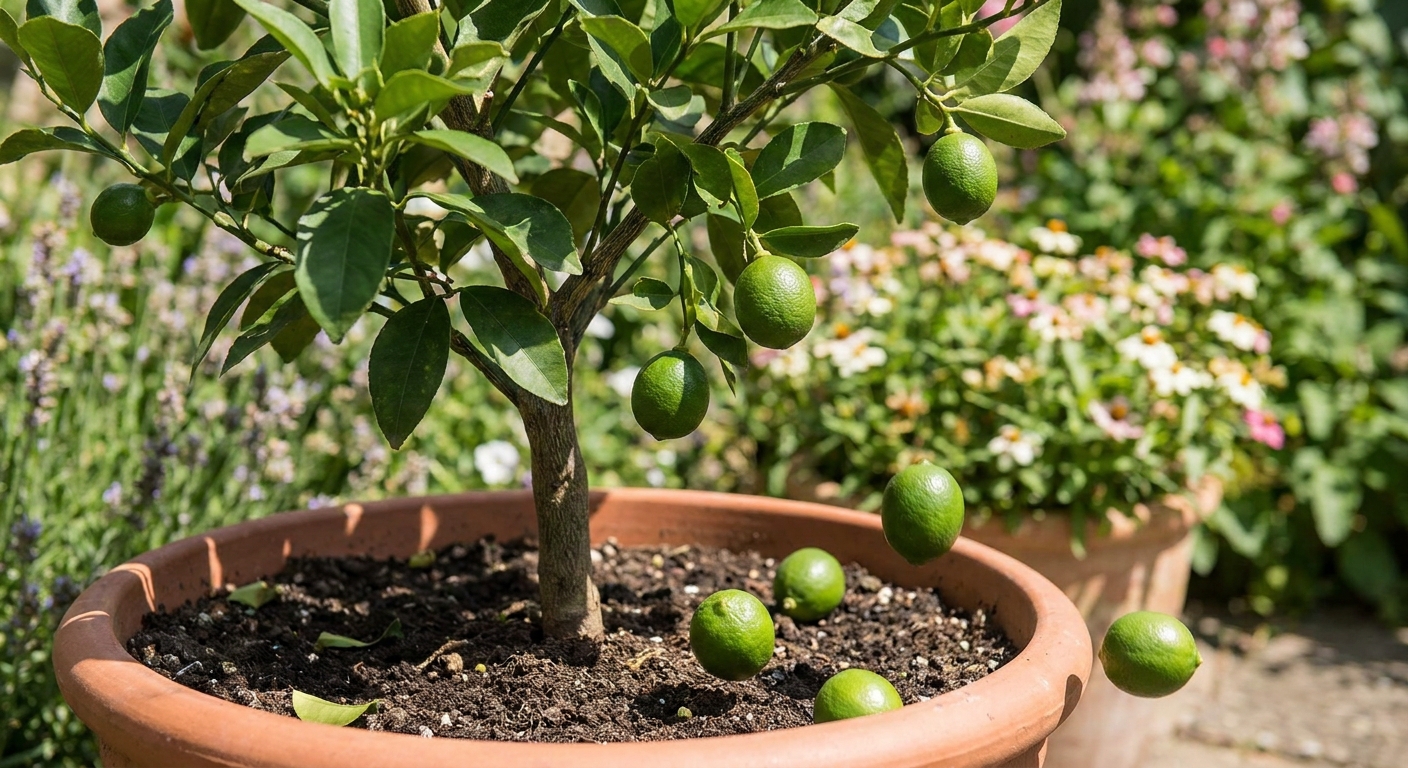
You’ve got a lime tree loaded with tiny green fruits, haven’t you? You’re already dreaming of margaritas. But then, practically overnight, they start falling — plink, plink, then suddenly by the handfuls. That’s called June drop, and it’s one of the most misunderstood moments in citrus growing, actually no — let’s just say it’s just *the* most misunderstood moment. Sometimes it’s totally normal. Sometimes it’s a huge red flag. We’re going to show you how to tell what’s what — and what you’ve got to do about it, pronto.
There’s two really different reasons your lime tree’s ditching its fruit. Mixing ’em up? That’s what actually makes everything worse, every single time.
The first reason? Natural thinning. Citrus trees, they’re ambitious, aren’t they? They set way more fruits than they’re ever going to ripen. So in early summer, say around June 10th, the tree basically self-edits. It just drops the weakest fruitlets and holds onto the ones it can actually support. Healthy as can be. A few dozen fruits on the ground? Totally fine. The tree’s just doing its math.
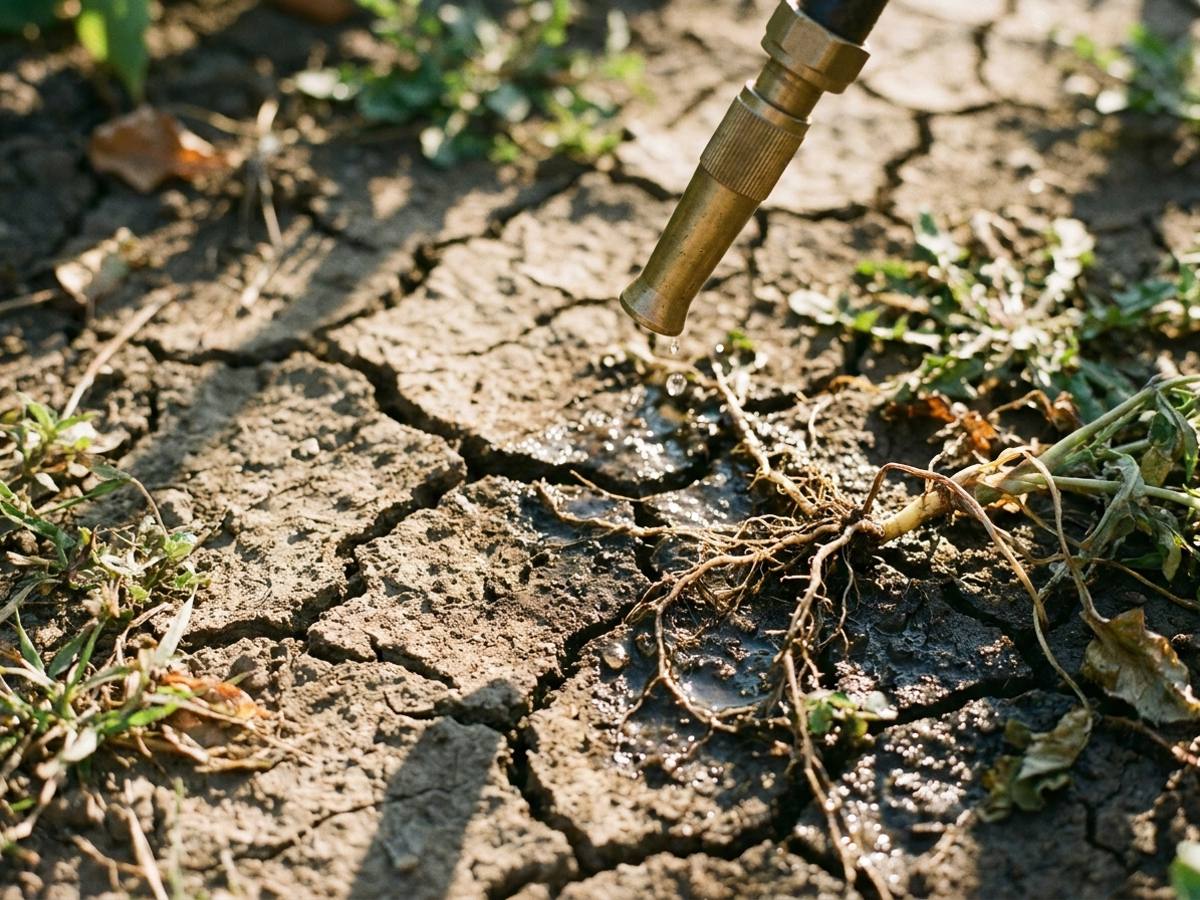
The second reason? Stress. And this one? It needs your immediate attention. Like, right now. Sudden watering changes are, without a doubt, the single biggest trigger for stress-related fruit drop in limes. You know, one dry week where the top two inches of soil registered bone-dry on my soil probe, followed by a thorough soaking – the exact kind of thing that’s constantly happening to outdoor pot-grown trees in June – that causes the fruit skin to expand faster than the inside can cope. The connection between fruit and branch weakens. Then *plop*. Drop happens. It’s especially brutal for lime trees compared to other citrus, because limes are just way more sensitive to water inconsistency than lemons or oranges are.
Other things worth checking, just in case: a sudden heatwave with no shade whatsoever. Or a recent repotting, perhaps? Nitrogen fertiliser applied just as those fruits were swelling. Or even root damage from overwatering in May. Not good.
If the dropping slows down after, say, 11 days, and your tree’s still holding onto some fruits, you’re probably just watching normal June thinning. Annoying? Yeah. Fatal? Nah. Not even close.
But if that drop *doesn’t* stop — if the tree’s shedding fruits and its leaves are yellowing, or if new shoots are wilting — then that’s a whole different situation. That’s a tree under genuine duress. Left unaddressed, a stressed lime can absolutely abort its entire crop and spend the rest of summer just trying to survive, rather than do anything like fruit.
Pot-grown limes are just especially vulnerable here. The root system’s confined, heat builds up like mad in those dark-coloured containers, and any disruption to the root zone hits harder and faster than it would in open ground. I learned this the expensive, heart-breaking way — about three weeks in August of ’21, I repotted my Tahiti lime right as it had just set fruit. Every single fruit was on the patio within 10 days, probably closer to 8, honestly. That repotting was just dodgy. Full stop. The tree was fine eventually, but that was the end of that year’s harvest. Period.
Don’t you *dare* panic-water. That’s the absolute worst instinct and it just makes things worse, trust me. Panic-watering? Doesn’t work. Full stop. Here’s what actually helps:
The RHS citrus growing guide, for what it’s worth, says consistent moisture is *the* single most important factor for fruit retention in container citrus. And the University of Florida IFAS Extension? They also confirm that water stress during fruit development is a primary cause of premature drop in acid citrus, including limes. So it’s not just me.
If your problem’s just fruit drop in general — and you’re growing other citrus too — well, the same principles apply. We’ve got another article, why citrus trees drop fruit in June, that covers the full picture across species if you want to dive deeper.
Fruit drop rarely arrives alone. Watch for these alongside it:
And for pot-grown orange trees dealing with similar June pressure, our guide to orange tree container gardening has some really useful overlap on root management and summer care. So check that out.
Smart tip: Water your lime tree at the same time every day — consistency just beats quantity every single time in summer. You’ve got to be regular.
Yes — some fruit drop in early summer? That’s completely natural. Citrus trees, they routinely shed excess fruitlets they just can’t support. It only becomes a problem when the drop’s heavy, continuous, or accompanied by yellowing leaves. That’s when you know it’s serious.
Possibly, yeah. Especially if the tree’s otherwise healthy and you’ve addressed the cause quickly. Lime trees, particularly everbearing varieties like Tahiti or Bearss, can absolutely set a second flush of fruit later in summer if that stress is relieved in time. So don’t lose all hope!
Not with nitrogen, no way — that’s just pushing leafy growth and can actually delay recovery. Use a specialist citrus fertiliser instead, one that’s high in potassium and magnesium. That’s what supports flower and fruit development, rather than just foliage.
Kumquats? They’re more drought-tolerant than limes, for sure, but they’re still going to drop fruit under water stress or root disruption. So those same watering consistency rules still apply — for more on caring for this compact citrus, you’ll want to see our guide to the kumquat tree. It’s helpful.