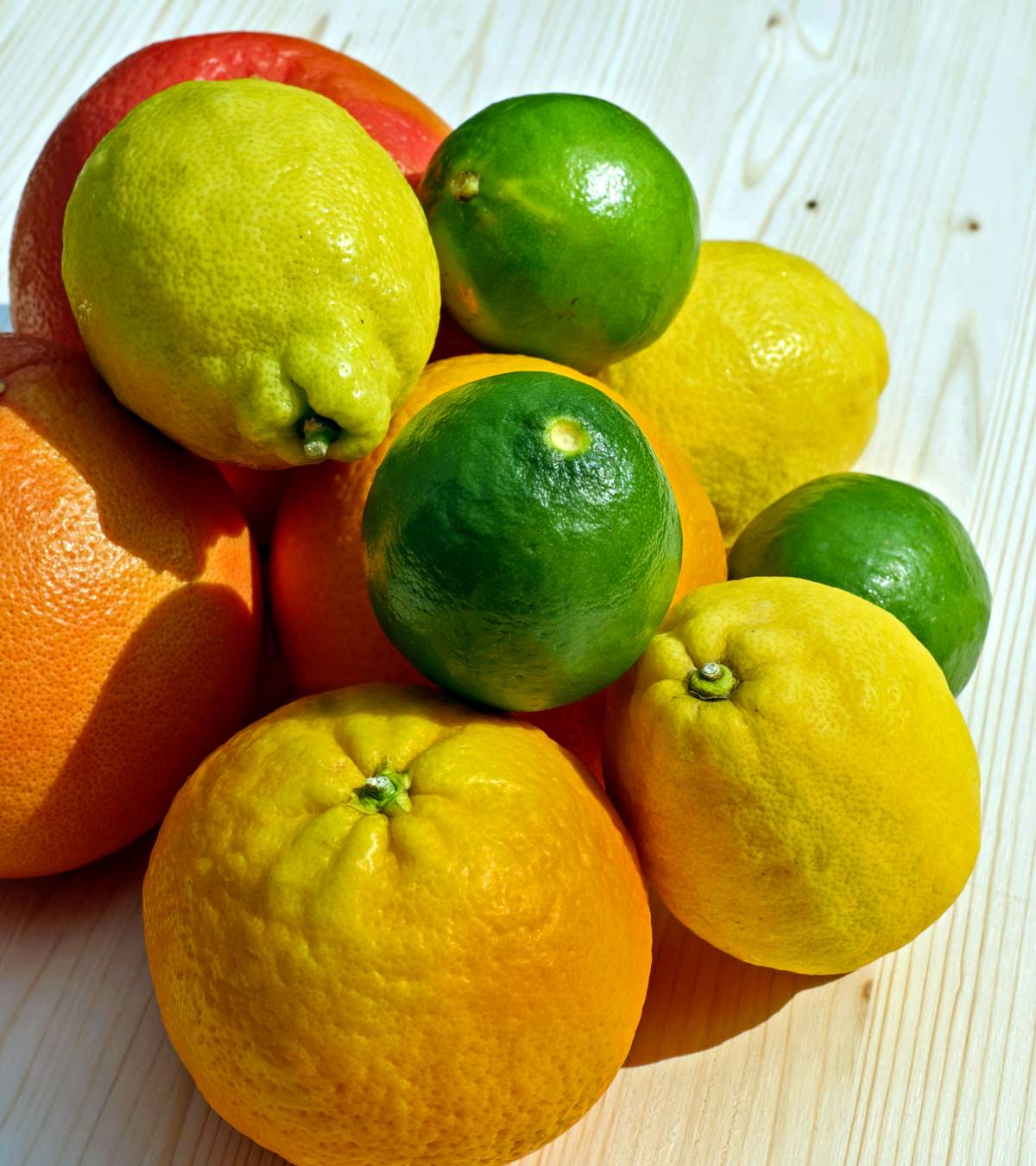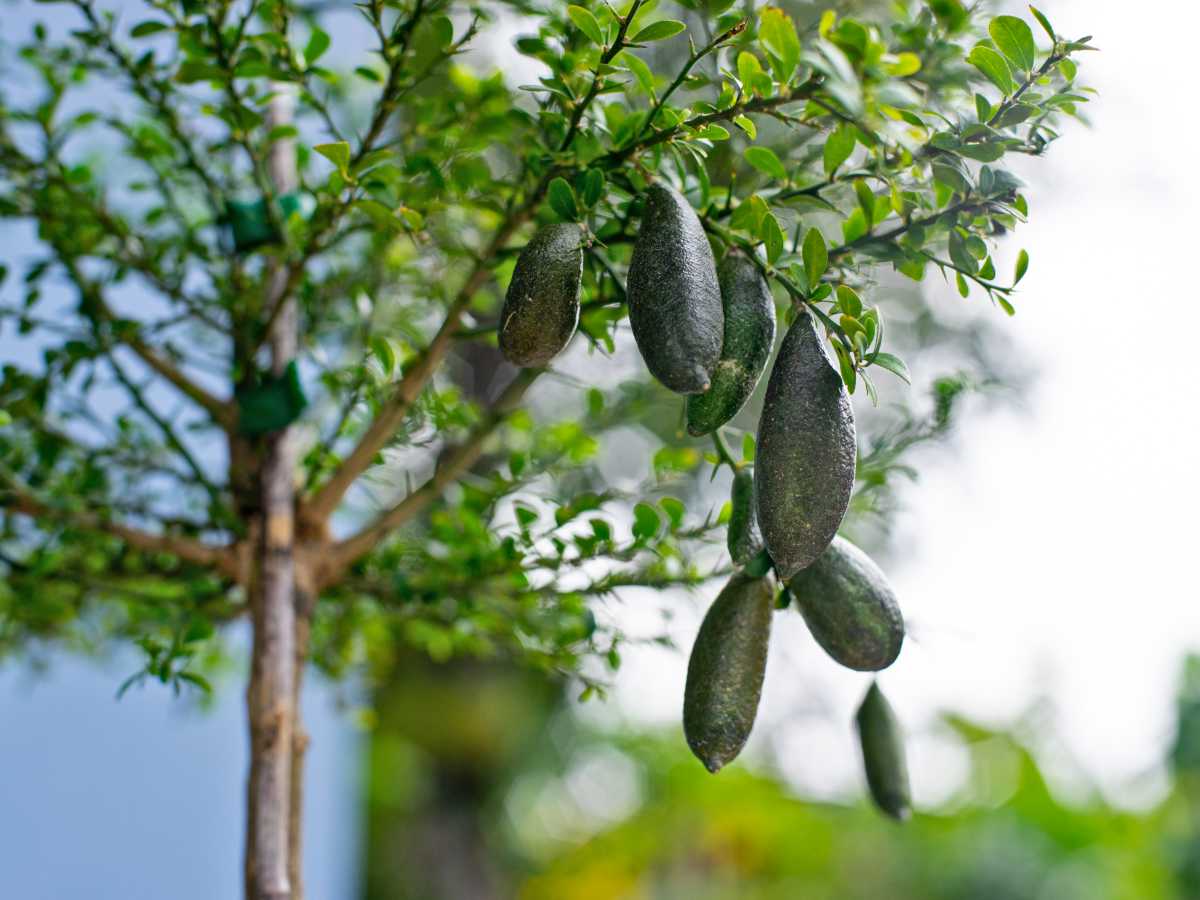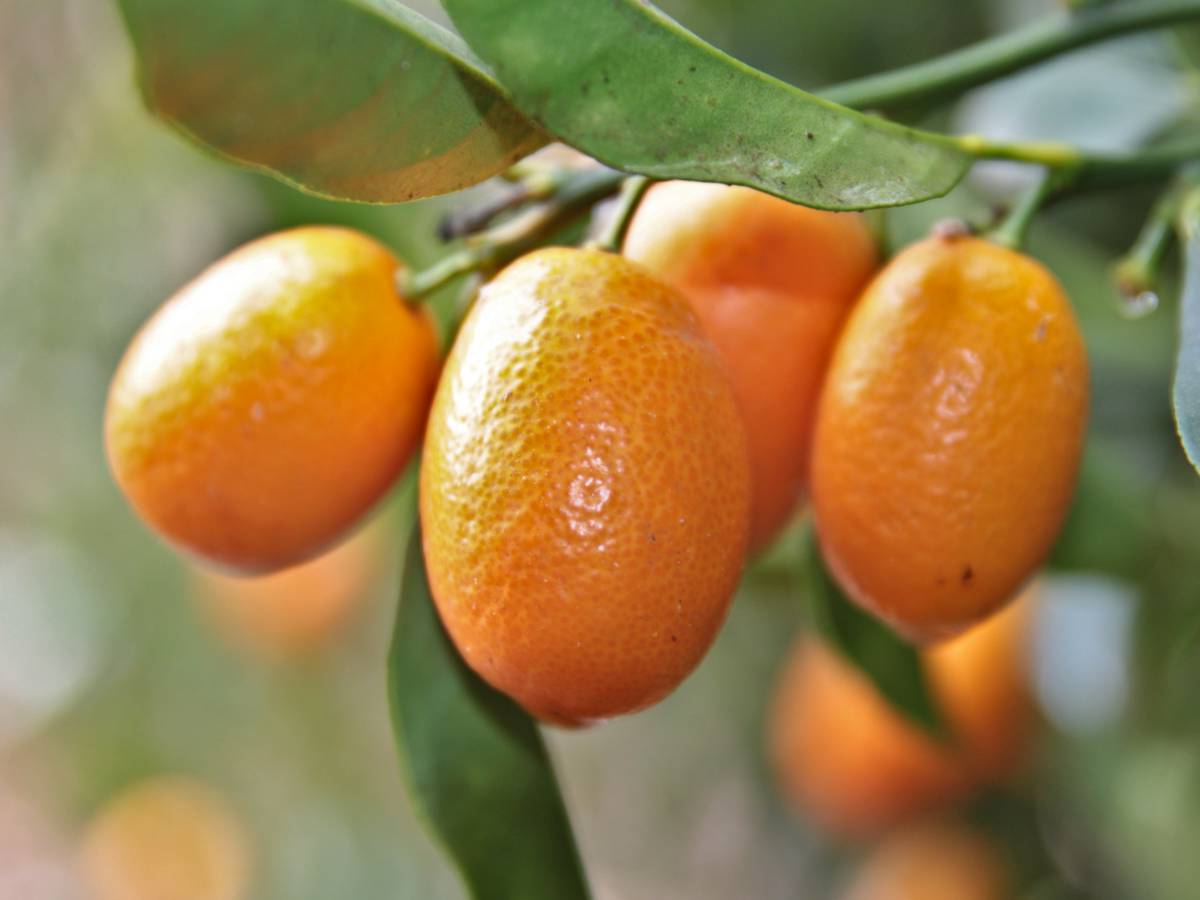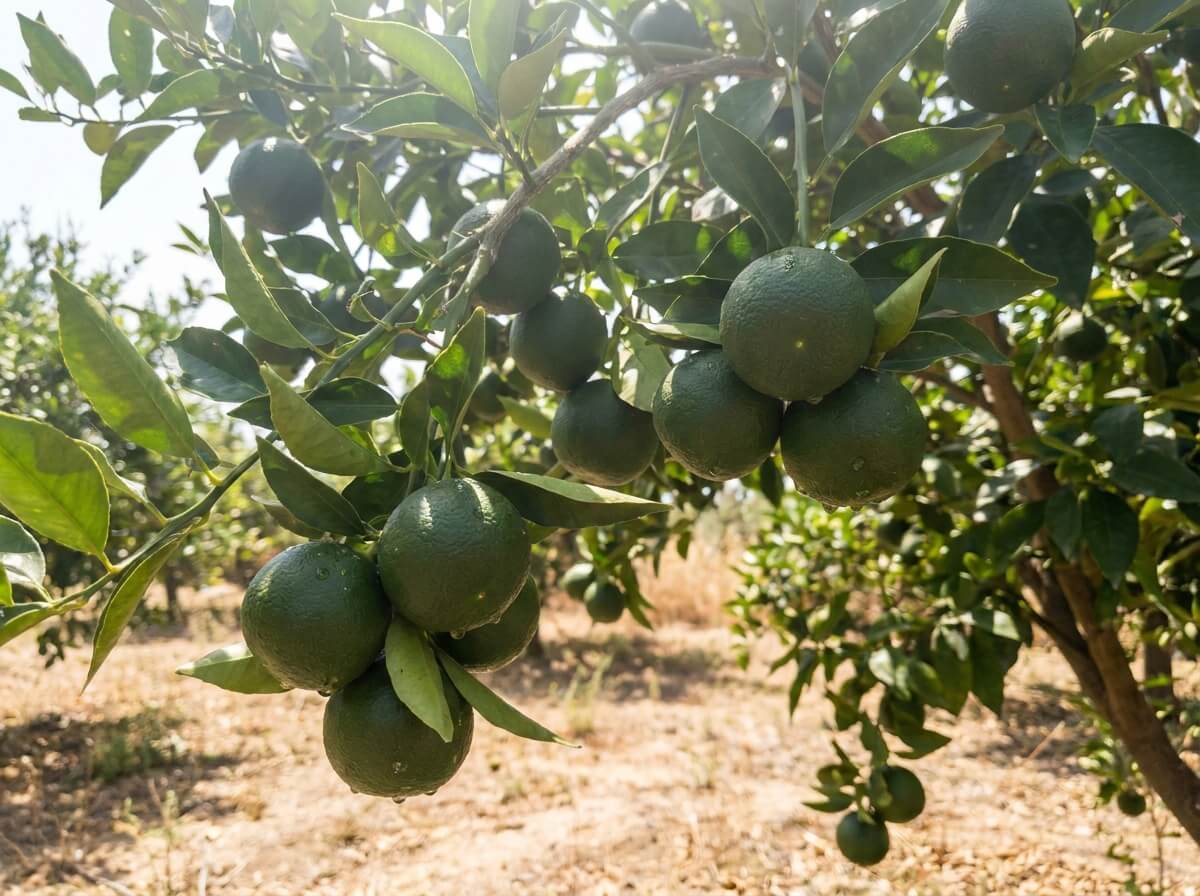
Your citrus tree is loaded with fruit this summer, but not one piece is changing colour. Before you panic, here’s the short answer: high summer temperatures — especially warm nights — physically thwart citrus from colouring up, even when the fruit is biologically mature inside. This isn’t a disease. It’s not a watering failure. It’s certainly not a nutrition crisis. It’s chemistry. And most of it’s fixable. There’s not an issue here you won’t get sorted quickly.
Citrus colour is governed by chlorophyll breakdown. Simple as that. When temperatures drop — specifically night temperatures falling below around 13–15°C (55–59°F) — the green chlorophyll degrades and the underlying orange, yellow, or red pigments emerge.
In summer, though, nights stay too warm. Chlorophyll just keeps regenerating faster than it breaks down. The fruit is simply trapped in green.
This is why citrus grown in tropical climates, where nights rarely cool, stays green at full ripeness. It’s also why the same tree, left on the branch into autumn, will colour up almost overnight once temperatures shift.
The fruit hasn’t been failing. It’s been waiting.
Two other factors aggravate the issue considerably:
Green colour alone isn’t a crisis. Many varieties ripen perfectly inside while staying outwardly green — Mexican limes never turn yellow on the tree, and Tahitian limes are at peak flavour when still green.
Cut one open and taste it. If it’s juicy, acidic, and fragrant, it’s ripe.
Colour is a poor proxy for flavour.
But ignoring the underlying heat stress is a different matter entirely. A tree under sustained thermal stress — roots cooking in a dark pot, leaves scorching on a south-facing wall, no mulch, erratic watering — will eventually drop fruit before it matures. That’s the actual risk. Citrus fruit drop is the next stage when heat stress goes unmanaged, and by the time it happens, you’ve already lost the crop. You really don’t want things getting this dodgy, do you?
The thing is, the colour issue itself resolves when temperatures drop in late summer and autumn. Your non-negotiable job is to keep the tree properly healthy enough to reach that window. Get it sorted now.
Yes, moving a large potted tree every evening? It’s fiddly. Absolutely worth it for two weeks in late August — the colour shift you’ll see is genuinely striking. For more on protecting potted trees from heat damage, the guide on protecting potted lemon trees from sunburn covers the shading and positioning strategies in proper detail.
Green fruit staying green is one signal. But during peak summer heat, citrus sends several others that’re easy to miss until damage is done.
The watering mistake that stops citrus from fruiting in summer is worth checking against your current routine — overwatering in heat is far more common than underwatering, and the symptoms look almost identical.
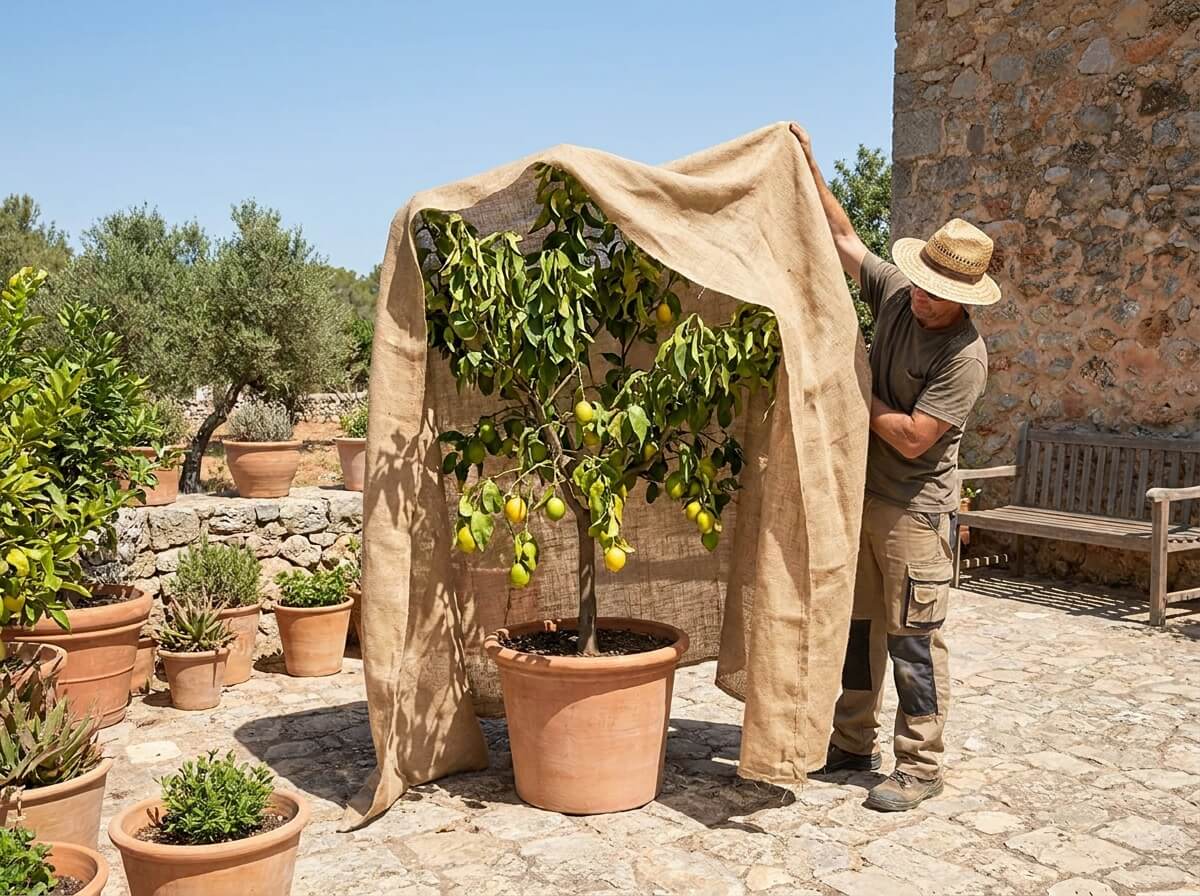
Smart tip: Taste your citrus before judging ripeness by colour — green fruit is often perfectly ripe in summer.
Yes — once night temperatures consistently drop below 15°C (59°F) in late summer or autumn, colour change typically follows within 2–4 weeks without any intervention required.
No home spray accelerates natural ripening safely. Ethylene gas is used commercially, but it’s not practical or necessary in a home garden — patience and cooler nights are the only reliable triggers.
Completely safe and often at peak flavour. According to the RHS, internal maturity and external colour develop independently in citrus — a green orange can be fully ripe and delicious.
Leave it on the tree if the tree is healthy — citrus continues to develop sugar on the branch. Only pick early if the tree is severely stressed and dropping fruit, or if frost risk is approaching in autumn.