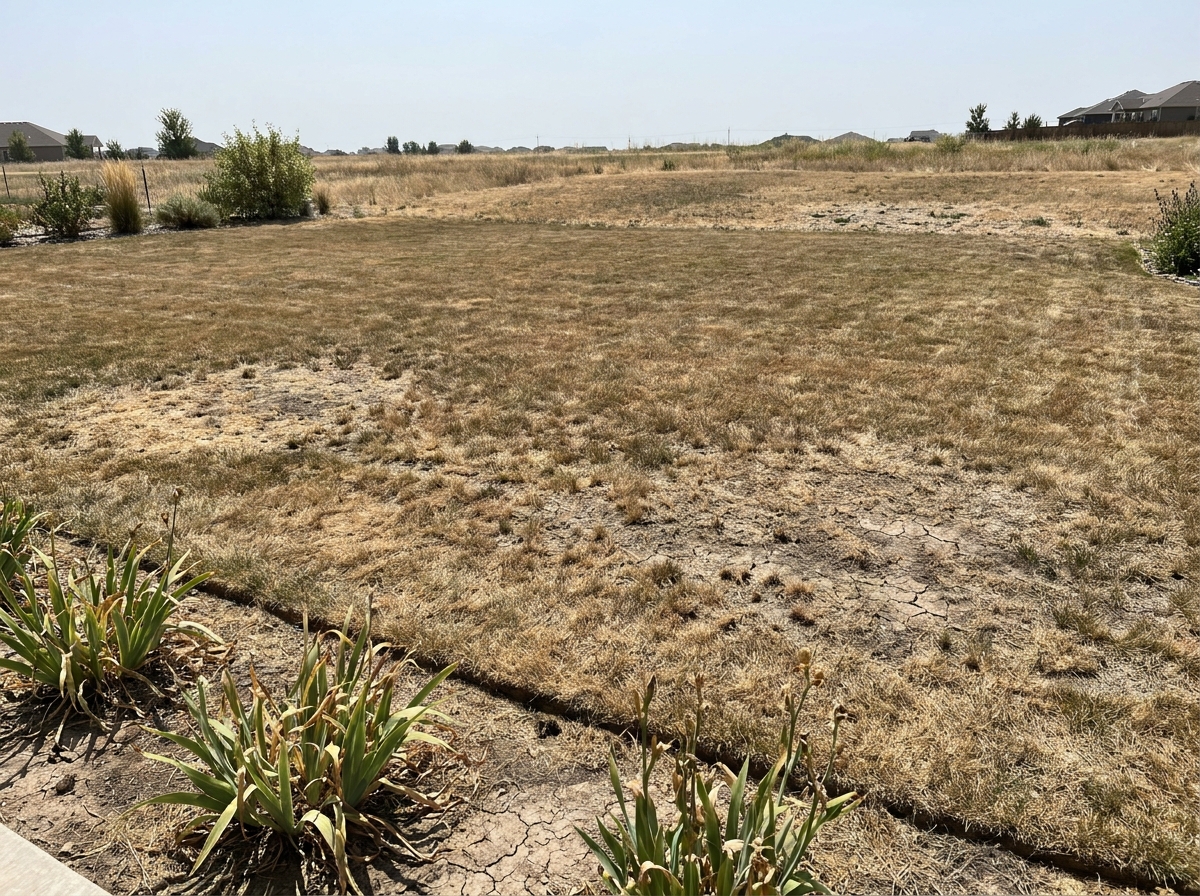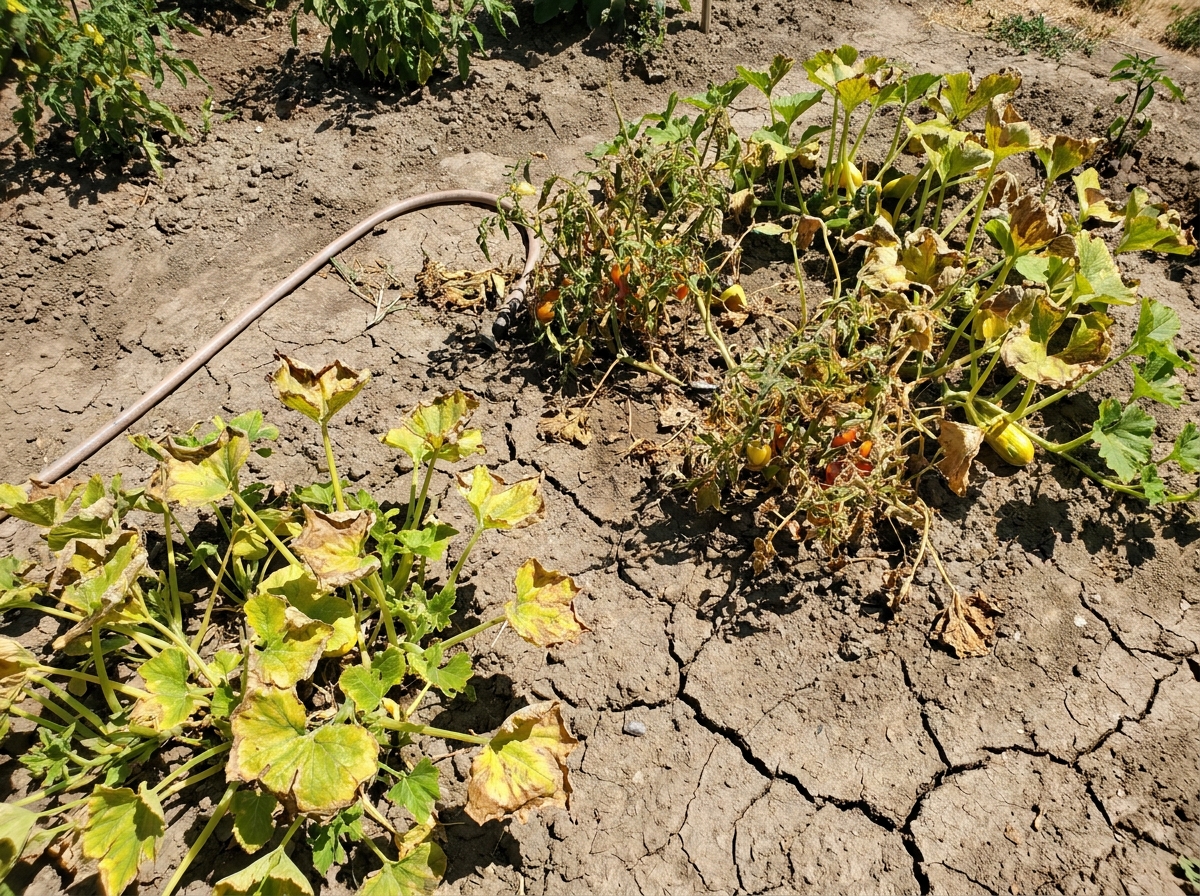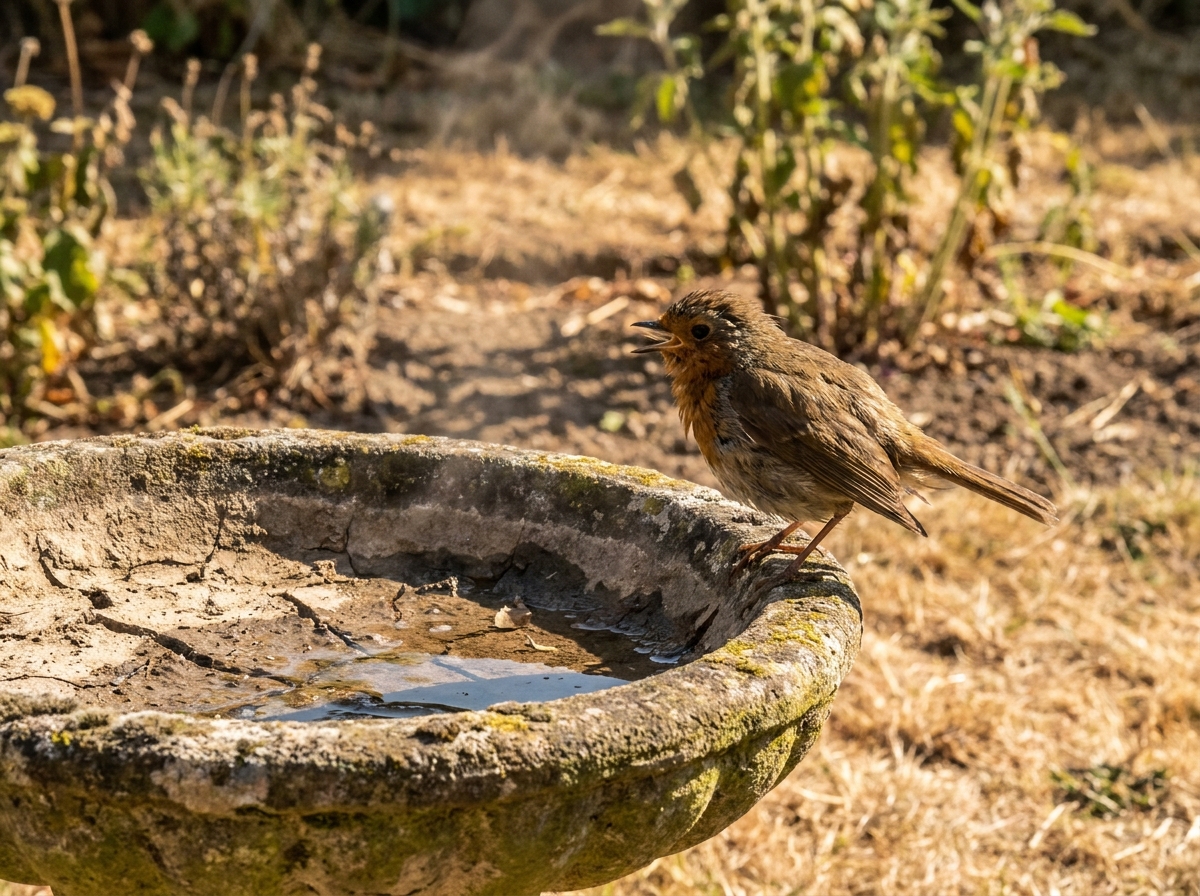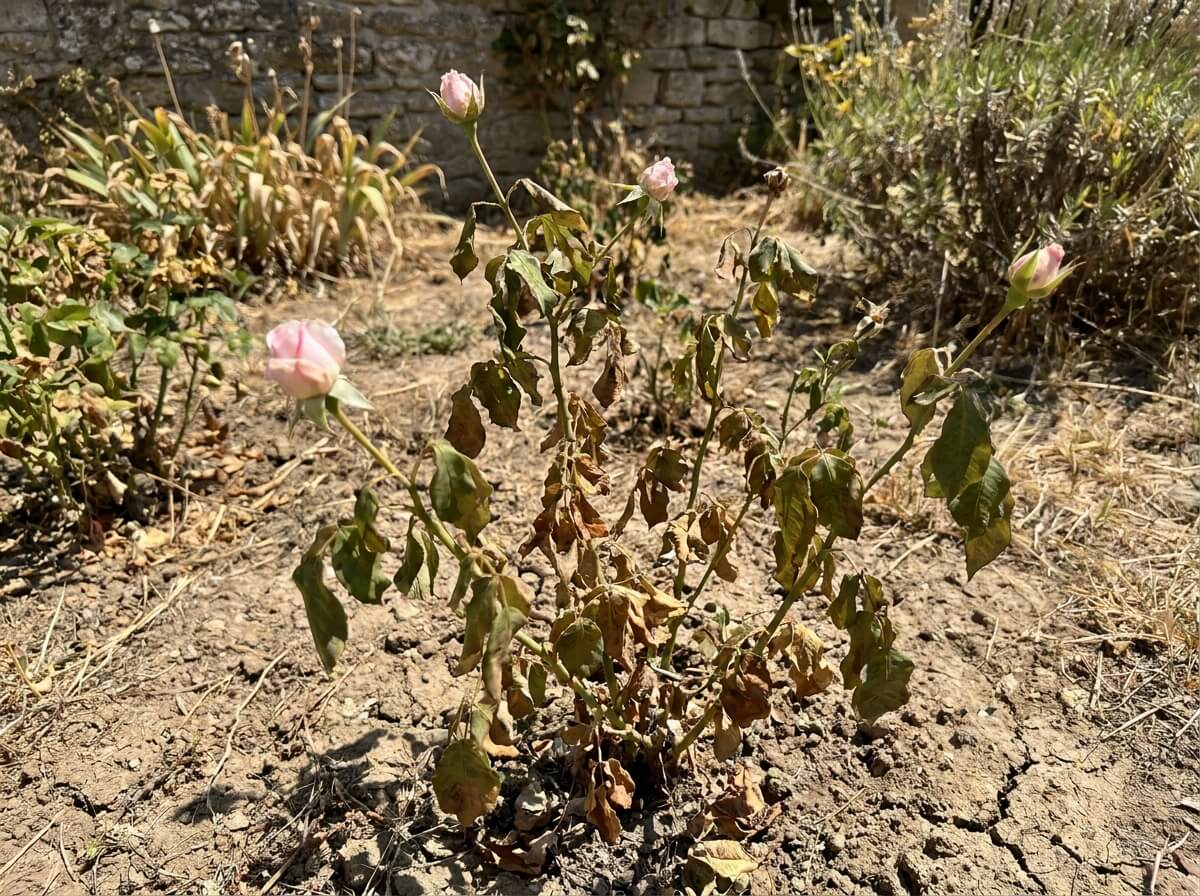
Your roses were flush with buds — then a heatwave descended and production dropped off a cliff. Extreme summer heat triggers a physiological shutdown in roses, halting bud formation as a survival response. The good news: it is temporary, it is reversible, and with three targeted interventions, new buds shoot up within 10 to 14 days. Here is exactly what is happening and what to do about it today.
The thing is, roses evolved in temperate climates. Once air temperatures push consistently above 32°C (90°F), the plant enters what botanists at the UC Davis Cooperative Extension describe as high-temperature dormancy — a protective pause where energy is redirected away from reproduction and toward simple survival.
The mechanism is brutal in its efficiency. Heat destroys pollen viability before fertilisation can occur, so the plant stops investing resources in flowers that serve no reproductive purpose.
Bud initiation — that first microscopic swelling at a stem tip, the one you smell faintly of green sap early in the morning — simply ceases.
Dark-coloured varieties absorb heat most aggressively. Crimson, burgundy and deep purple roses suffer faster than pale pink or white ones.
Roses in containers face an even greater risk. Root zone temperatures inside a terracotta pot can run 8–10°C higher than the surrounding air.
The budding pause itself will not kill your rose. But the conditions causing it can, if left unmanaged.
Prolonged heat stress depletes stored carbohydrates. A rose spending three weeks in thermal shutdown without adequate water or root protection emerges weakened. And a weakened rose is an open invitation: fungal diseases, aphid colonies and the full range of summer fungal issues all exploit heat-stressed plants.
Do nothing and you risk losing not just this season’s blooms but the structural vigour needed for autumn reblooming. Act now and the plant bounces back completely.
Three actions, in order of urgency.
Yes, it may feel counterintuitive to do less when your roses are looking a bit much. Do it anyway — the difference in recovery speed is dramatic.
Reduced budding is rarely the only signal. Watch for these alongside it:
If you are seeing three or more of these at once, the plant is under serious stress. Shade cloth — 30% density — rigged over the worst-affected plants for the peak afternoon hours (roughly 1pm to 5pm) buys meaningful recovery time.
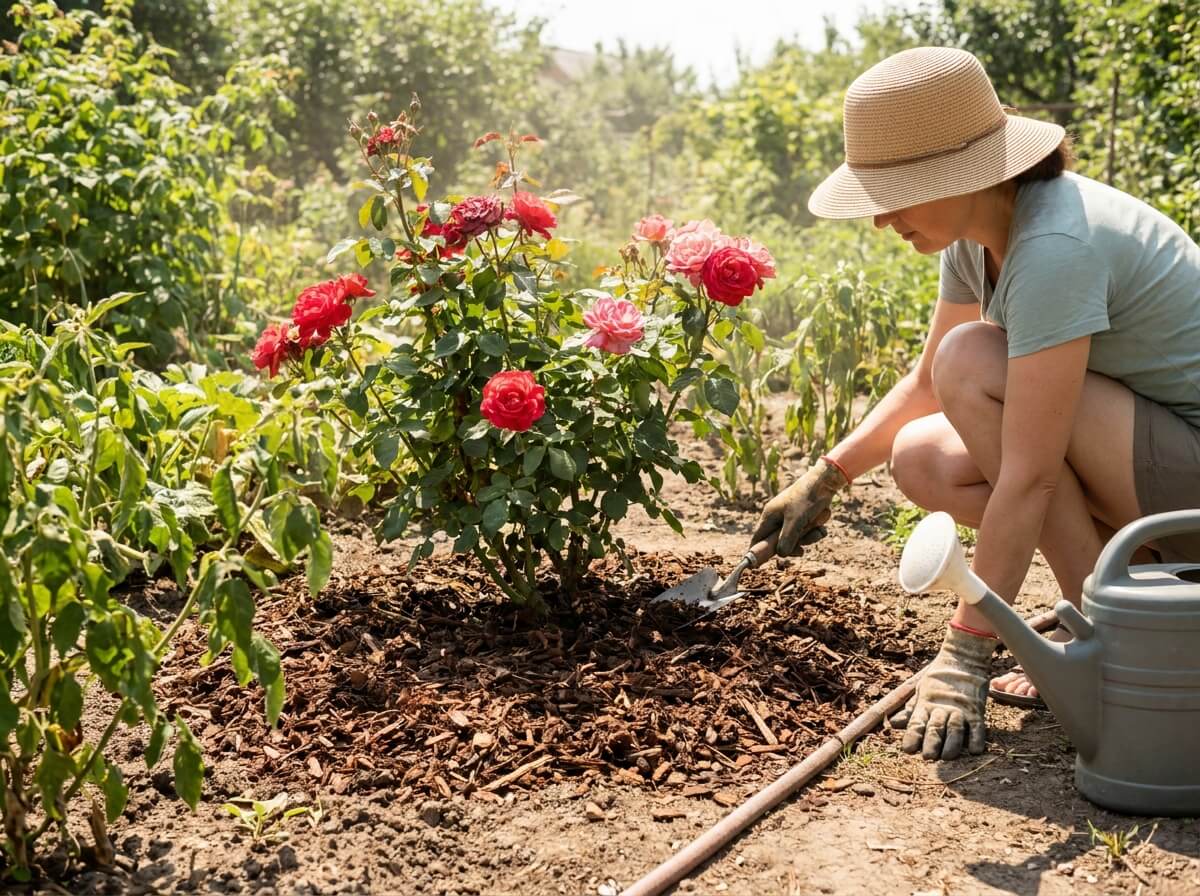
Smart tip: Mulching alone — even without changing your watering — can restart bud production within two weeks by cooling the root zone.
Yes, completely. Once night temperatures drop consistently below 20°C, roses resume bud initiation within 7–14 days. You will be sorted then.
Repeat-flowering varieties recover fastest.
Yes — pull off spent blooms anyway. Deadheading correctly signals the plant to prepare for the next flush, even if that flush is weeks away. Avoid cutting too deep during extreme heat; one node above the nearest leaf set is enough.
Absolutely, and you should do it immediately. Morning sun and afternoon shade is the ideal configuration during a heatwave — roses still get enough light to function but avoid the lethal heat spike between 1pm and 5pm.
Similar mechanism, different trigger. The thing is, it is not quite right to say it is the same. Winter dormancy is hormone-driven by shortening days; summer heat pause is a stress response to high temperature and water pressure. Winter dormancy lasts months — heat pause breaks within days of temperatures easing.