Courgette flowers burst open across UK and US gardens in midsummer, but they fall off without producing a single fruit. This late summer crisis signals pollinator trouble and water stress, and one critical intervention this week could salvage your entire autumn harvest. Read on to find out what gardeners must do immediately.
Late summer is peak courgette season, yet many gardeners are watching flowers drop uselessly from their vines. Across both the UK and US, the combination of intense heat, inconsistent watering, and declining pollinator activity creates the perfect storm for flower abortion. Your plants are flowering prolifically, but without fruit set, you’ll have nothing to harvest by early autumn.
Courgettes drop flowers for three main reasons: insufficient pollination, water stress, and extreme temperature fluctuations. When soil moisture is erratic, the plant redirects energy away from fruit development and back to survival mode. A single courgette plant can produce dozens of flowers in late summer, yet only 10 to 20 percent may successfully set fruit under poor conditions.
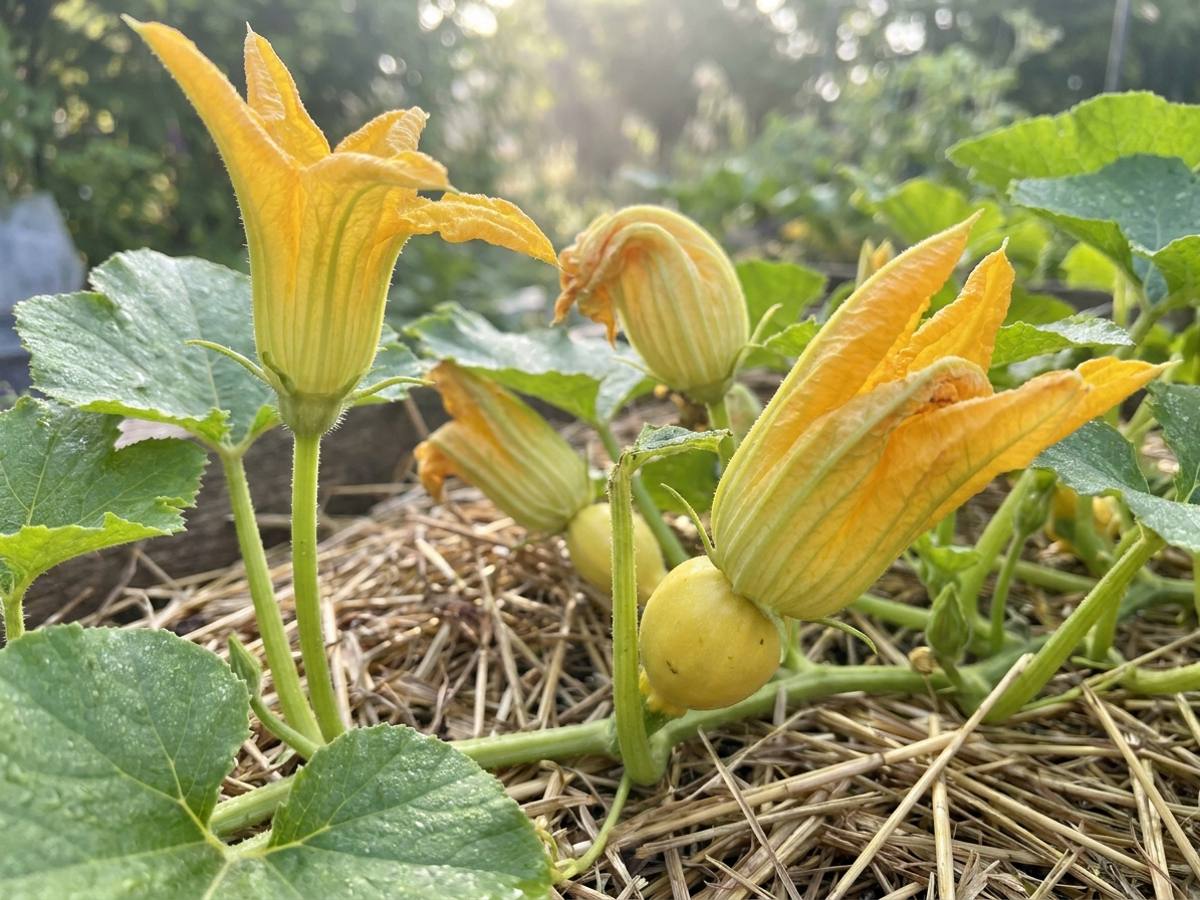
Male flowers vastly outnumber females on courgette plants, so you’ll see many blooms that can never produce fruit. The real issue arises when female flowers, which appear lower on the stem and have a tiny swelling behind the bloom, arrive but receive no pollen visits. Honeybees and other pollinators are stressed by late summer heat, working shorter hours and visiting fewer flowers.
Act on these four priorities before late summer passes:
Courgettes abandon their flowers for a handful of distinct reasons, and each one calls for a different response. Work down this table to identify which is at play on your plants.
| Cause | What you see | What to do | When to act |
|---|---|---|---|
| No pollen reaching the female flowers | Female blooms lower on the stem, with a tiny swelling behind them, open then shrivel | Hand-pollinate with a small paintbrush or cotton bud, taking pollen from male blooms | Early each morning, midsummer to late summer |
| Erratic soil moisture | Flowers drop while the plant looks otherwise vigorous | Water deeply at soil level, 5 to 7 centimetres per week, never overhead | Weekly through midsummer and late summer |
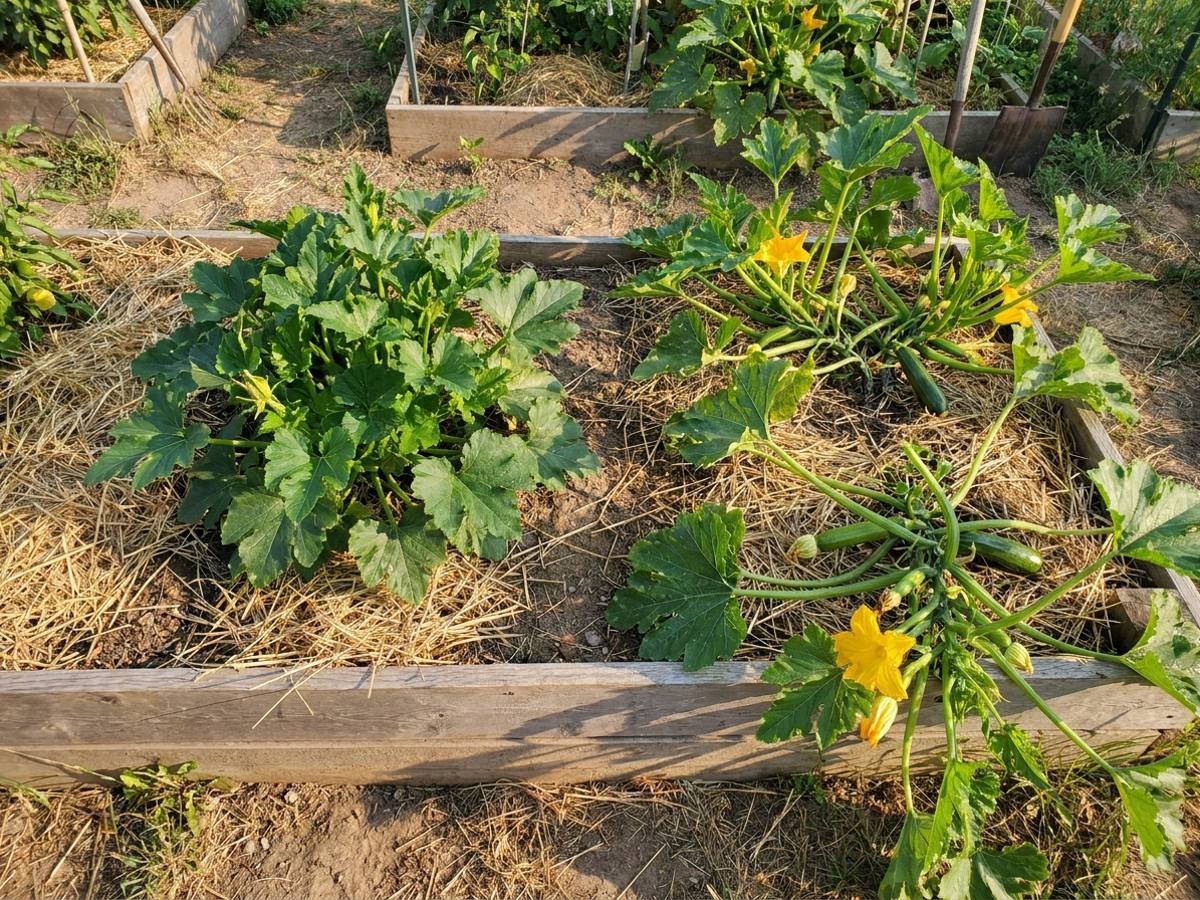
| Heat and soil temperature swings | Wilting and flower abortion during the hottest spells | Mulch heavily around the base with straw or compost | Before the peak heat of midsummer |
| Plant stress and fungal pressure | Yellowing or diseased foliage, crowded growth, few insect visits | Remove affected leaves to open up air circulation | As leaves decline, late summer onwards |
Most failing plants suffer from two of these at once, so treat pollination and watering together rather than in sequence.
Monitor your plants daily for the next three weeks. Hand-pollinated flowers should begin setting fruit within 48 to 72 hours if conditions are right. By early autumn, you should see a noticeable surge in young courgettes developing along the vine. Keep watering consistently and harvesting small fruits promptly to encourage continued flowering into autumn.