A truly wildlife-friendly garden does not require a complete redesign or a wild, untamed space. A few targeted plant choices, one shallow dish of water, and a small shift in how you tidy — or do not — in autumn is all it takes. It really is that straightforward.
Bees, butterflies, and hoverflies arrive swiftly. Get the conditions bang on, and you will notice the difference within days, not seasons. It is that swift.
The primary culprit behind insect decline in domestic gardens is not pesticides — it is the wrong plants. Double-flowered varieties of roses, dahlias, begonias, and peonies present well, but the extra petals effectively obstruct access to nectar and pollen. A bee landing on a double dahlia receives no reward. It leaves and does not come back. Simple.
Highly hybridised bedding plants — the kind sold in trays at each garden centre in June — produce scant nectar. Bright colours, no reward. They are decorative voids.
Insects learn quickly. Your garden becomes a dead end on their foraging route. They will pass you by.
Perfectly cut lawns and cleared borders eliminate two more things pollinators rely upon. Bare soil patches are essential for ground-nesting bees. Hollow or pithy stems provide overwintering sites for solitary bees. Tidiness, however satisfying, carries a tangible cost. This is simply not sustainable.
Roughly one in three mouthfuls of food depends on insect pollination. Think of your courgettes, beans, apples, and strawberries. A garden with no pollinators is not just quiet — it is measurably less productive. This is non-negotiable.
Butterfly populations across the UK and parts of North America have dropped sharply in the past two decades. The Butterfly Conservation Big Butterfly Count consistently shows lower numbers in manicured suburban gardens than in rougher, less-managed spaces. The science is undeniably clear. The trend is alarming.
And the effect compounds. Fewer bees and butterflies directly leads to fewer birds. It is a chain reaction.
Fewer birds results in more pest insects. The whole food web destabilises when the pollinators disappear from a garden. That is the domino effect.
Start with plants. Single-flowered varieties consistently outperform double forms for wildlife. Always prioritize them.
Then, water. A shallow dish — a terracotta saucer is ideal — filled with fresh water and a handful of pebbles or marbles for insects to land on. This makes all the difference.
Change the water every three days in warm weather. This prevents mosquito larvae from developing. Place it in a sunny spot, no more than 30cm from a sheltered plant or structure. Position it carefully.
Gardens with even one small water source witness a marked increase in insect visits during dry spells. The evidence is conclusive.
Leave at least one patch — even 50cm x 50cm — of bare, sandy, or compacted soil in a sunny corner. Ground-nesting bees, which account for around 70% of all bee species in the UK, require this to complete their life cycle. It is a vital habitat.
No bare soil, no nesting. No nesting, no next generation. This much is undeniable.
Watch your seedheads. But the instinct to cut everything back after flowering is strong — resist it until at least October, ideally later. Hold your shears.
Those dried stems of echinacea, fennel, and knapweed are vital feeding and overwintering sites. Pull them off in September and you remove the resource exactly when it matters most. It is simply dodgy practice.
Notice which flowers get the most visits — and which get none. That is live data regarding the precise requirements of your local bee population. Pay attention to it.
Adjust next year’s planting accordingly.
Also watch for hoverflies. They look like small, hovering bees or wasps, but are flies entirely. And they are essential pollinators; their larvae eat aphids voraciously — up to 50 per day. Umbellifers like fennel, dill, and angelica are their preferred nectar plants. Adding one does wonders for both pollination and free, natural pest control. If you are already battling aphids, read about the issue most gardeners make with aphids in summer before reaching for any spray. Think before you spray.
If you are growing vegetables alongside your wildlife planting, herbs also make excellent pollinator magnets. A productive balcony or raised bed works wonders. Fennel and dill are especially effective. Discover more in how to grow a full salad on your balcony.
Southern Hemisphere gardeners: this approach applies directly to your December and January — peak pollinator season in Australia and New Zealand, where native bees and monarch butterflies are at their peak activity. Apply these lessons now.

Smart tip: One shallow water dish with pebbles draws more insect visitors than almost any single plant addition. This is proper intelligence.
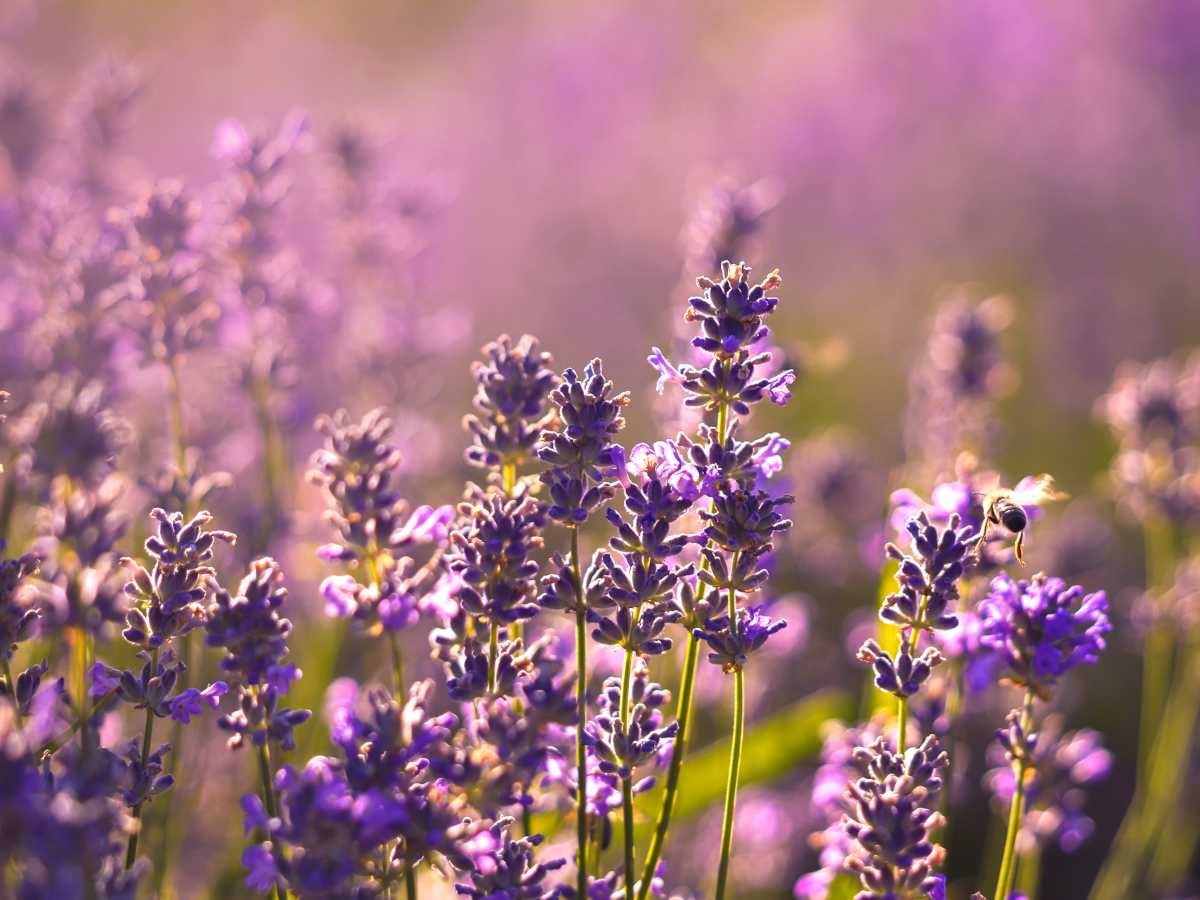
No. A single container of lavender or scabious on a sunny balcony will attract bees consistently. It really does the job.
Even 0.5 square metres of the right plants yields a measurable impact on local pollinator numbers. The data confirms this.
Almost. A few double varieties still produce some accessible nectar. But single-flowered varieties consistently outperform them in each and every recorded trial. This is a common misunderstanding.
If wildlife is the priority, choose single forms every time. It is a straightforward decision.
Verbena bonariensis. It is tall and airy so it does not dominate small spaces; it flowers from June until frost, and painted ladies and red admirals find it utterly irresistible. A superb choice.
It also self-seeds freely, which means one plant quickly becomes many more. Sorted, really.
Yes, but position it correctly — facing south or southeast, at least 1 metre off the ground, with bare soil nearby. A bee hotel with no bare soil for foraging within 300 metres will sit empty all season.