Courgette Flowers Wilting Before You Pick Them? Here’s Why—and the Fix
0
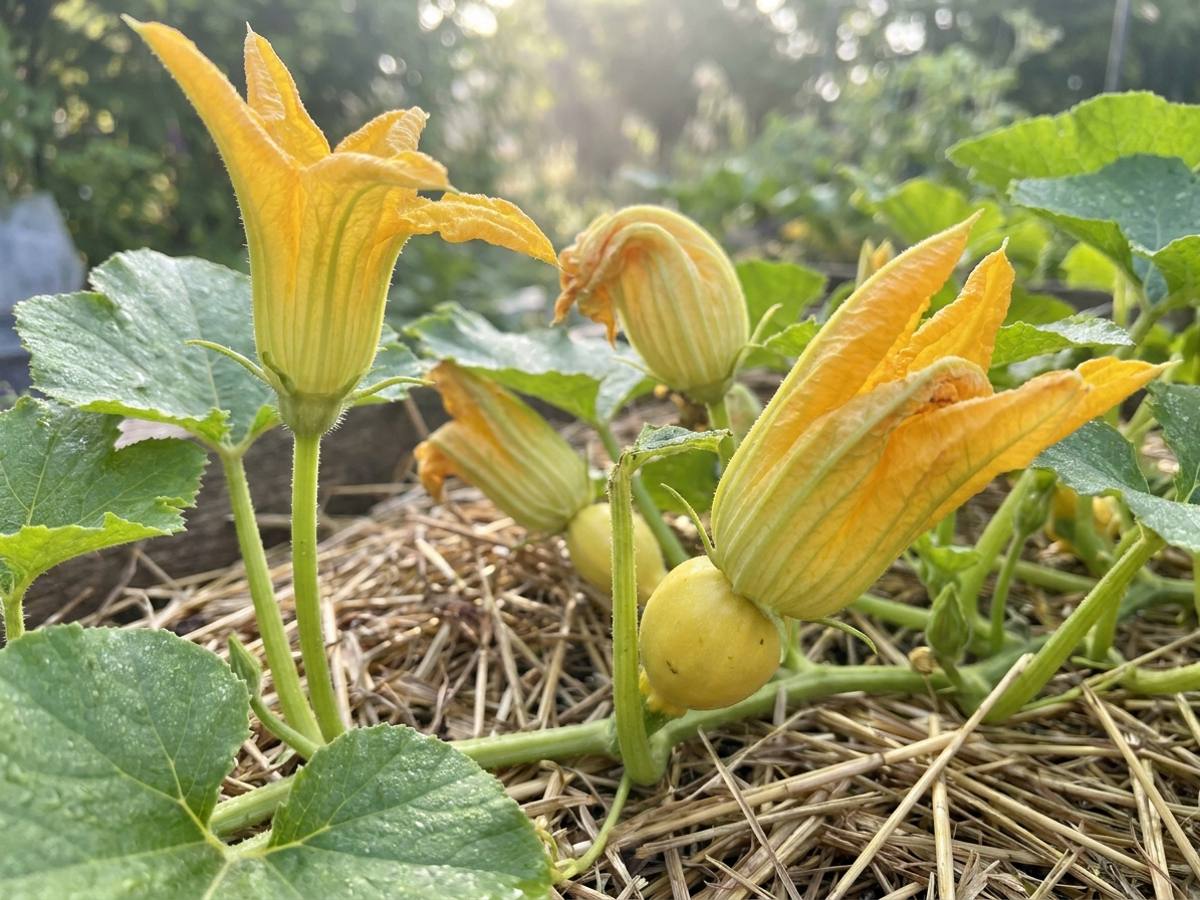
Your courgette flowers are dropping before they open, and it’s not bad luck. Three critical environmental stresses are happening simultaneously in July gardens across the UK and US right now, triggering flower abortion. The good news? You can reverse this week by adjusting watering, heat management, and pollinator access. This timely guide shows you exactly what to fix.
Why July is peak flower-drop season for courgettes
Mid-July marks the moment when courgette plants reach peak flowering, yet many gardeners report watching buds shrivel and fall before producing a single fruit. Across both the UK and US, this week coincides with either intense summer heat waves or unexpected dry spells, creating the perfect storm for blossom abortion. The plants look healthy, yet they’re quietly shedding reproductive organs in self-defence.
Understanding the three environmental triggers happening now
Courgettes are surprisingly sensitive to environmental stress during flowering. The plant prioritises survival over reproduction when soil moisture fluctuates wildly, temperatures spike above 30°C, or pollinator activity drops. Research from garden extension services shows that inconsistent watering alone causes up to 60% flower loss in stressed plants during hot weeks.
Female flowers (the ones that produce fruit) are particularly vulnerable because they demand more energy than male flowers. When a plant senses drought, heat, or poor pollination odds, it aborts the expensive female blooms first. You might notice male flowers persisting whilst female flowers drop, which is the plant’s survival strategy in action.
What to do this week: four critical adjustments
Start implementing these changes immediately to halt flower loss and encourage new blooms:
Water deeply and consistently, aiming for soil that stays moist 5cm down but never waterlogged. Water early morning or late evening to minimise evaporation loss during peak heat.
Provide afternoon shade using garden fleece or companion planting. Even 2-3 hours of filtered shade when temperatures exceed 28°C significantly reduces heat stress on flowers.
Deadhead any remaining damaged or aborted flowers to redirect energy toward new bloom development rather than seed maturation on failed flowers.
Create pollinator-friendly conditions by avoiding pesticides and ensuring bees can access flowers. Hand-pollinate female flowers using a small paintbrush if insects are scarce in your area.
Monitor your recovery and plan ahead
Within 7-10 days of implementing these changes, you should see fresh female flowers developing with improved retention rates. Watch soil moisture levels closely as temperatures peak, and maintain consistent watering schedules through August when production should accelerate. Your courgette harvest won’t disappear, but steady environmental management now determines whether you’re picking six fruits or sixty by September.
🌿 Nature & Garden Newsletter
Gardening tips, recipes & seasonal advice, twice a week.