Collapsed Courgette Spaghetti with Marjoram, Lemon and Pecorino
0
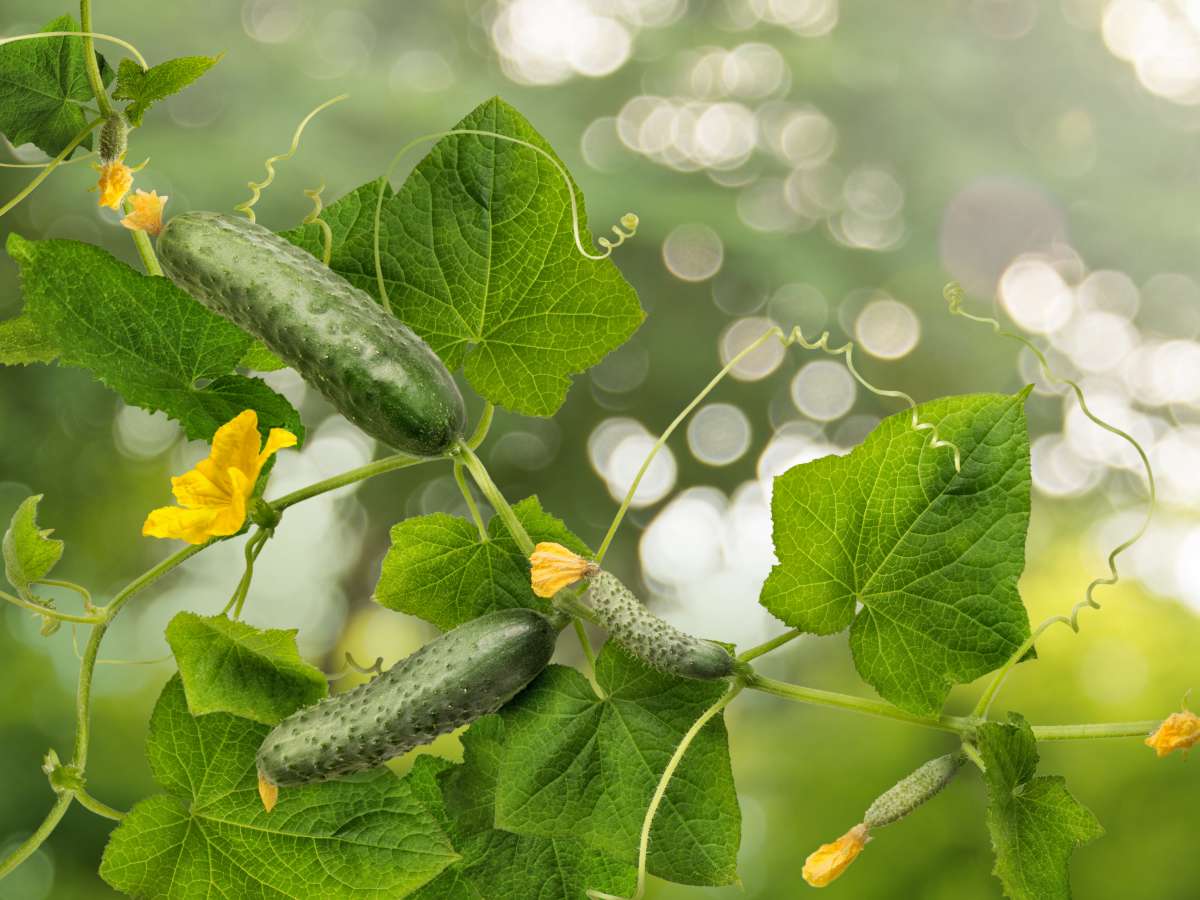
A courgette plant that is picked every second day in August and September will keep throwing out fruit until the first cold nights, which is how every kitchen garden ends up with a bowl of glossy green batons nobody knows what to do with. This Amalfi-coast method turns them into two things at once: gold-edged coins for texture, and a soft collapse that emulsifies with pasta water and pecorino into a sauce with no cream in it at all.
1 lb 5 oz (600 g) small firm courgettes (zucchini), about 4 medium
14 oz (400 g) spaghetti or linguine
6 tbsp (90 ml) extra virgin olive oil
3 garlic cloves, lightly crushed but whole
1 loose cup (15 g) marjoram leaves and soft stems (oregano or basil work)
1/3 cup (8 g) mint leaves, torn at the last moment
1 unwaxed lemon, zest only
2 1/2 oz (70 g) pecorino romano, finely grated
1 oz (30 g) parmesan or grana, finely grated
1 1/2 tsp (9 g) fine sea salt, for drawing water from the courgettes
1/2 tsp coarsely cracked black pepper
pinch of dried chilli flakes (optional)
The Recipe
Slice the courgettes into coins 3 mm (1/8 in) thick — thinner and they disintegrate before they colour, thicker and the centres stay watery. Toss with the fine sea salt in a colander and leave 20 minutes, then press between two clean tea towels until the cloth is damp and the coins feel leathery rather than squeaky. Do not skip this step: wet courgette hitting hot oil steams itself pale and spits violently.
Heat 4 tbsp (60 ml) of the olive oil in a wide frying pan over medium-high heat until a test coin sizzles immediately. Fry the courgettes in three batches, single layer, 3–4 minutes per side, until the rims are freckled deep gold and the centres have gone translucent. Crowding the pan drops the temperature and you get grey stewed discs instead of caramelised edges.
Lift each batch onto a wide plate and, while still hot, scatter over half the marjoram. The residual heat blisters the leaves and pulls their oils into the courgette rather than leaving them raw and grassy — let this sit and infuse while you carry on.
Turn the heat to low, add the remaining 2 tbsp (30 ml) oil and the crushed garlic cloves, and cook 4–5 minutes until the garlic smells sweet and is pale blond at the edges. Fish the cloves out before they take on any brown: past that point they turn acrid and the bitterness will run right through the sauce.
Return about a third of the fried courgettes to the pan with the chilli flakes, and crush them to a rough paste with the back of a fork over low heat, 2–3 minutes. This purée is the body of the sauce — it carries the fat and stops the cheese from sliding off the pasta later.
Meanwhile cook the pasta in water salted at 10 g per litre (about 2 tsp per quart), pulling it 2 minutes before the packet time so it still has a chalky core. Scoop out 1 1/4 cups (300 ml) of the starchy water before draining — that cloudiness is dissolved starch, and it is the emulsifier here.
Move the pan off the heat and wait 30 seconds. Add the drained pasta, a ladle of pasta water and the two cheeses, then toss and swirl hard for a full minute, adding more water a splash at a time. Cheese added to a pan over direct flame goes above 70 °C and splits into rubbery threads and a greasy pool; off the heat it melts into a glossy cream. Do not skip this step.
Fold in the reserved fried courgettes with their marjoram, the lemon zest, torn mint and cracked pepper. Serve at once in warmed bowls — the sauce is held together by starch and emulsified fat, and it tightens as it cools, so a cold plate will dull it within a minute.