Stop feeding your tomatoes now: August nutrient shift explained
0
Stop reaching for that tomato feed. August is the critical month when nitrogen-rich fertilisers become your enemy, not your ally. Your plants are pouring energy into ripening fruit, not making leaves, and the wrong nutrient balance now will steal flavour, delay harvests, and waste your entire summer’s work. Here’s what to feed instead.
Why August is when feeding habits must flip
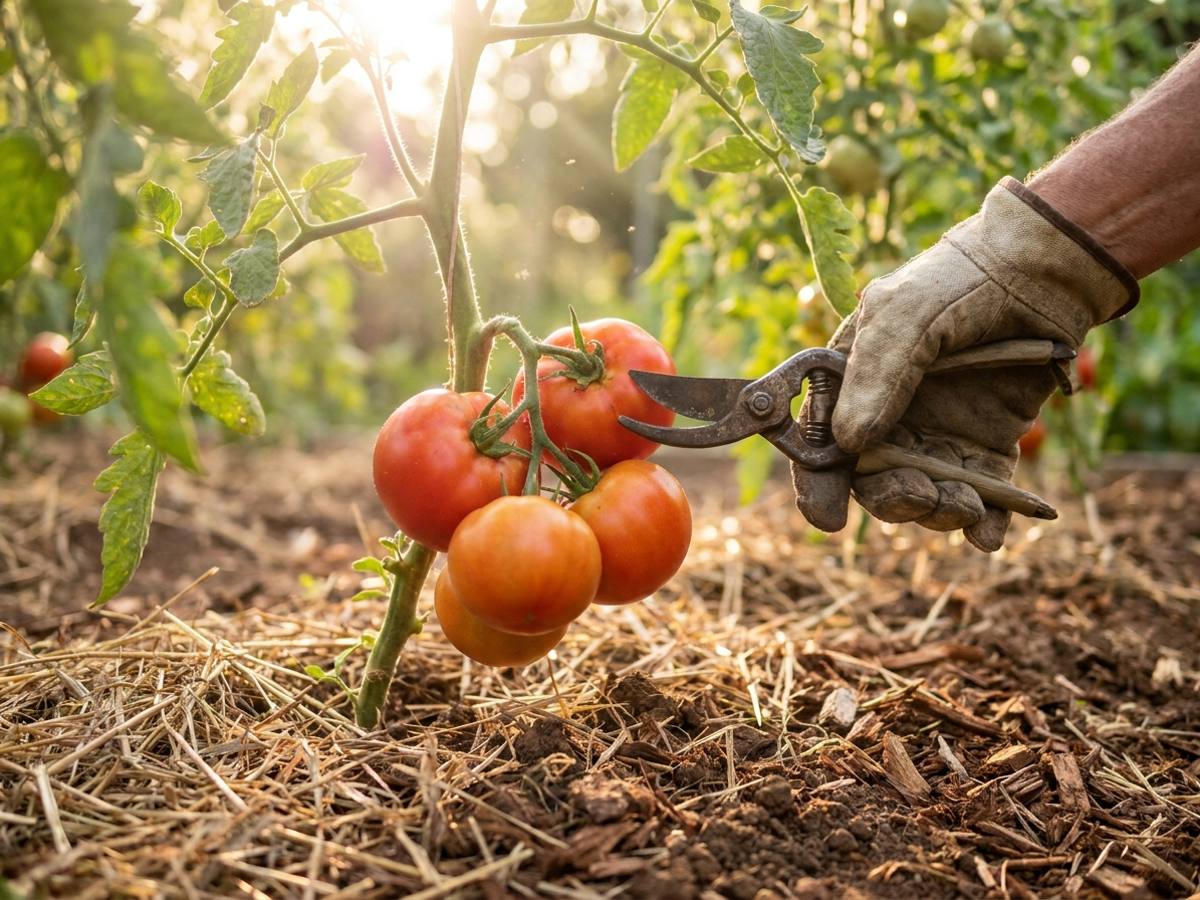
By early August, tomato plants across the UK and US have shifted into their final fruiting phase. The plants have stopped their vigorous vegetative growth, and those heavy trusses of green fruit are swelling fast. What many gardeners don’t realise is that continuing with nitrogen-heavy feeds at this stage actively works against ripening.
The nitrogen trap: why more growth now means fewer ripe tomatoes
Nitrogen promotes leaf and stem growth. Feed your tomatoes with high-nitrogen fertiliser in August and you’ll encourage the plant to keep producing foliage instead of channelling energy into fruit development and sugar accumulation. The result is green fruit that stays green, smaller harvests, and tomatoes that taste watery or bland when they finally ripen in September.
Research from university extension services suggests that excessive nitrogen at this stage can extend the growing season by up to two weeks, pushing ripening dangerously close to the first autumn frosts. In cooler regions across northern England and the northern US states, this timing shift can mean the difference between a full crop and a partial loss to frost.
What to do in August: practical steps
Switch your feeding strategy immediately with these four actions:
Stop nitrogen feeds completely. Abandon tomato-specific feeds with high N values and switch entirely to potassium and phosphorus-focused fertilisers, which promote ripening and flavour development.
Apply potassium sulphate (sulphate of potash) every 10-14 days. This accelerates sugar accumulation in fruit and strengthens plant immunity against late-season disease.
Introduce low-dose phosphorus through bone meal or a balanced fruit-ripening fertiliser. A single application mid-August supports the final stages of fruit development.
Reduce feeding frequency overall. One feed every two weeks is sufficient now, compared to the weekly schedules many gardeners follow in July.
Looking ahead: monitor ripening and plan for the final push
Watch your fruit closely over the coming weeks. You should see a visible shift in ripening pace within 7-10 days of stopping nitrogen feeds. Coloured fruit will deepen, and green tomatoes will begin their colour transition. Keep an eye on the weather forecast from mid-September onwards, particularly if you’re growing outdoors in cooler zones, and be ready to harvest any remaining green fruit before the first hard frost.
🌿 Nature & Garden Newsletter
Gardening tips, recipes & seasonal advice, twice a week.