Why Your Beans Won’t Climb: The Trellis Spacing Problem Nobody Mentions
·
0
It’s mid-July and your climbing beans are sprawling across the soil like they’ve given up. The culprit? A trellis installed too late or with gaps so wide the young shoots never found purchase. This common mistake wastes weeks of growth and reduces your harvest. The fix is simple, but timing and spacing are everything.
Why July reveals your bean-trellis mistakes
By now, beans sown in late May or early June should be flowering or forming pods on a sturdy support. Across the UK and US, gardeners are harvesting second and third pickings from well-trained plants, whilst others watch their beans sprawl uselessly on the ground. July heat accelerates both growth and frustration, because beans left unsupported at this stage rarely recover their climbing habit.
The spacing gap that stops seedlings climbing
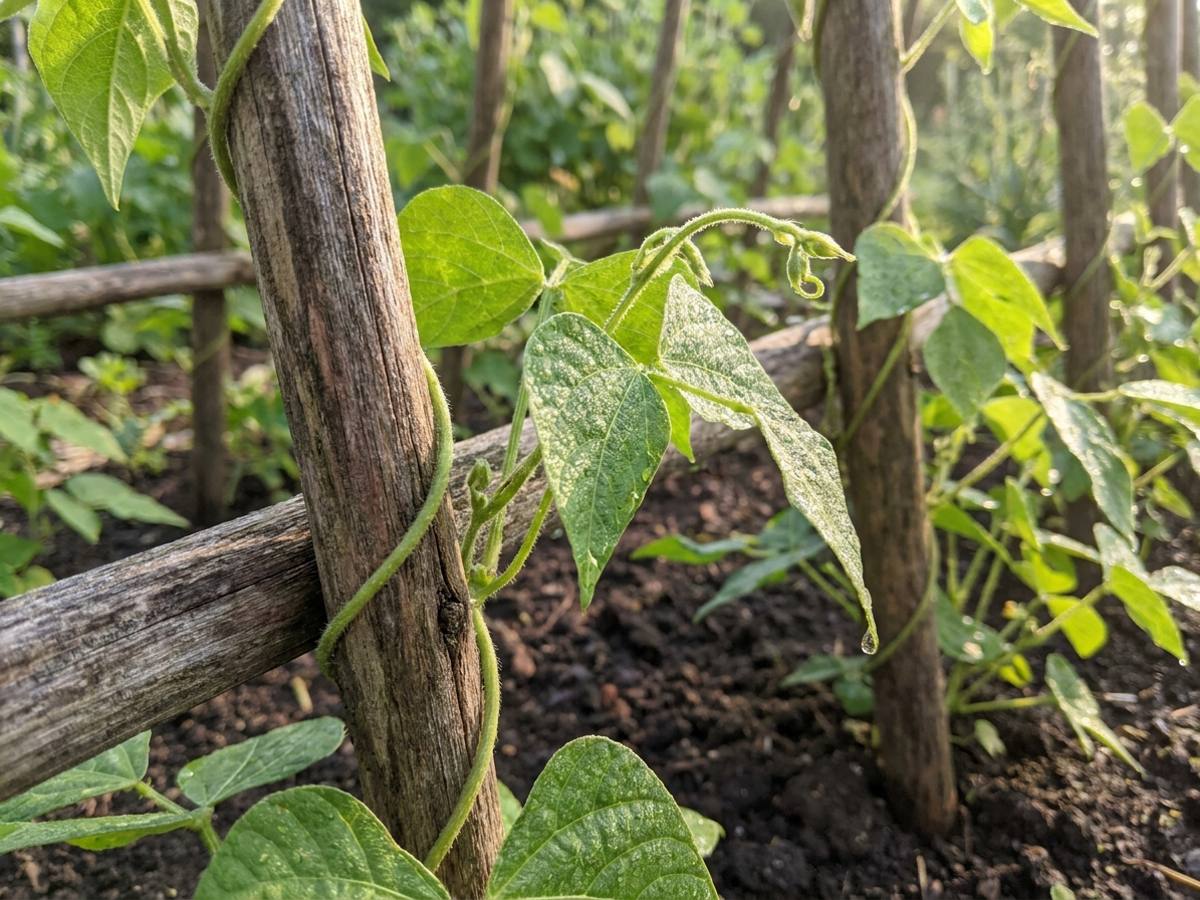
Most gardeners either install their trellis too late, after bean seedlings have already spread horizontally, or they space the supporting strings or canes too far apart. A seedling needs a climbable surface within 5 to 10 centimetres of its stem to instinctively twine around it. Gaps wider than 15 centimetres encourage beans to sprawl instead of climb, wasting energy that could produce flowers and pods.
Research from university horticultural trials suggests that beans installed on properly-spaced supports produce 30 to 40 per cent more yield than unsupported plants in the same space. The difference lies not just in vertical growth, but in air circulation and light exposure, which improve pod quality and reduce fungal disease pressure during wet British summers or humid American growing seasons.
What to do in July: rescue and prevention steps
If your beans are already sprawling, act now to salvage the season with these interventions:
Install your trellis or cane support immediately, even if plants are already 20 to 30 centimetres tall. Gently train existing stems upwards and secure them loosely with soft twine.
Space vertical canes or strings no more than 10 centimetres apart. This gives young tendrils multiple anchor points and prevents the “searching for support” sprawl.
Prune lower sprawling stems that have already set runners into the soil. Removing them redirects energy to the upper, climbing portions of the plant.
Water deeply at the base after installing support. The stress of repositioning plants increases their water needs for the next seven to ten days.
Looking ahead: monitor and plan for next season
Over the next four weeks, watch for new flowers emerging from the re-trained stems. Most beans will respond within ten days and flower within three weeks, giving you a late summer crop. For next year’s garden, mark your planting date three weeks earlier than you did this season, and install your trellis on the day you sow the seeds, not after.
🌿 Nature & Garden Newsletter
Gardening tips, recipes & seasonal advice, twice a week.