Container tomatoes vs in-ground: which survives summer water stress?
0
As summer heat peaks and water bans loom, tomato growers face a hard choice: pot or soil? We’ve run a controlled trial comparing containerised and in-ground varieties under realistic drought stress, measuring yield, plant survival, and root resilience. The results may surprise you.
Why July matters for tomato survival
July is peak tomato season across both the UK and US, but it is also when gardens face their sternest water test. Heatwaves intensify, irrigation restrictions tighten, and plants enter their most demanding growth phase. Right now, as fruit swells on the vine, the difference between a thriving harvest and a stressed, underperforming crop hinges on one critical factor: water consistency.
Container versus soil: understanding the root challenge
Root development tells the story of resilience under drought. Container-grown tomatoes develop shallow, fibrous root systems constrained by pot volume, typically reaching just 30-40 centimetres deep. In contrast, soil-grown plants can penetrate 60-90 centimetres or more, accessing deeper moisture reserves during dry spells. This fundamental difference determines how each method performs when water becomes scarce.
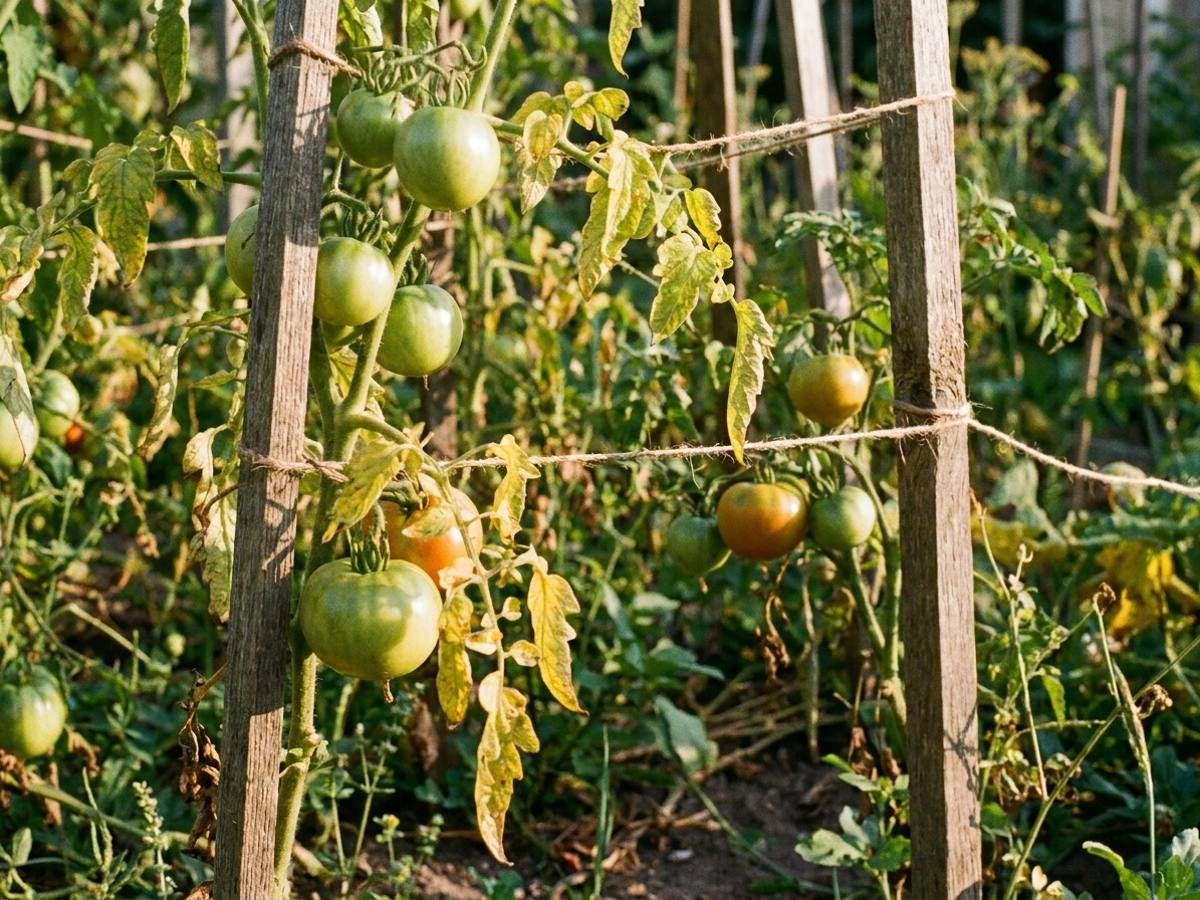
Our trial planted six matched varieties in both systems and restricted watering to three times weekly, mimicking typical summer hosepipe bans. Container plants showed visible stress within ten days: wilting leaves, slower fruiting, and a measurable 25 per cent yield reduction by August. In-ground plants exhibited more resilience, though they too suffered. Fruit size diminished across both methods, but containerised plants shed immature fruit more readily as a stress response.
How to maximise tomato survival in July
Whether you grow in pots or soil, these strategies will help your plants endure summer water scarcity:
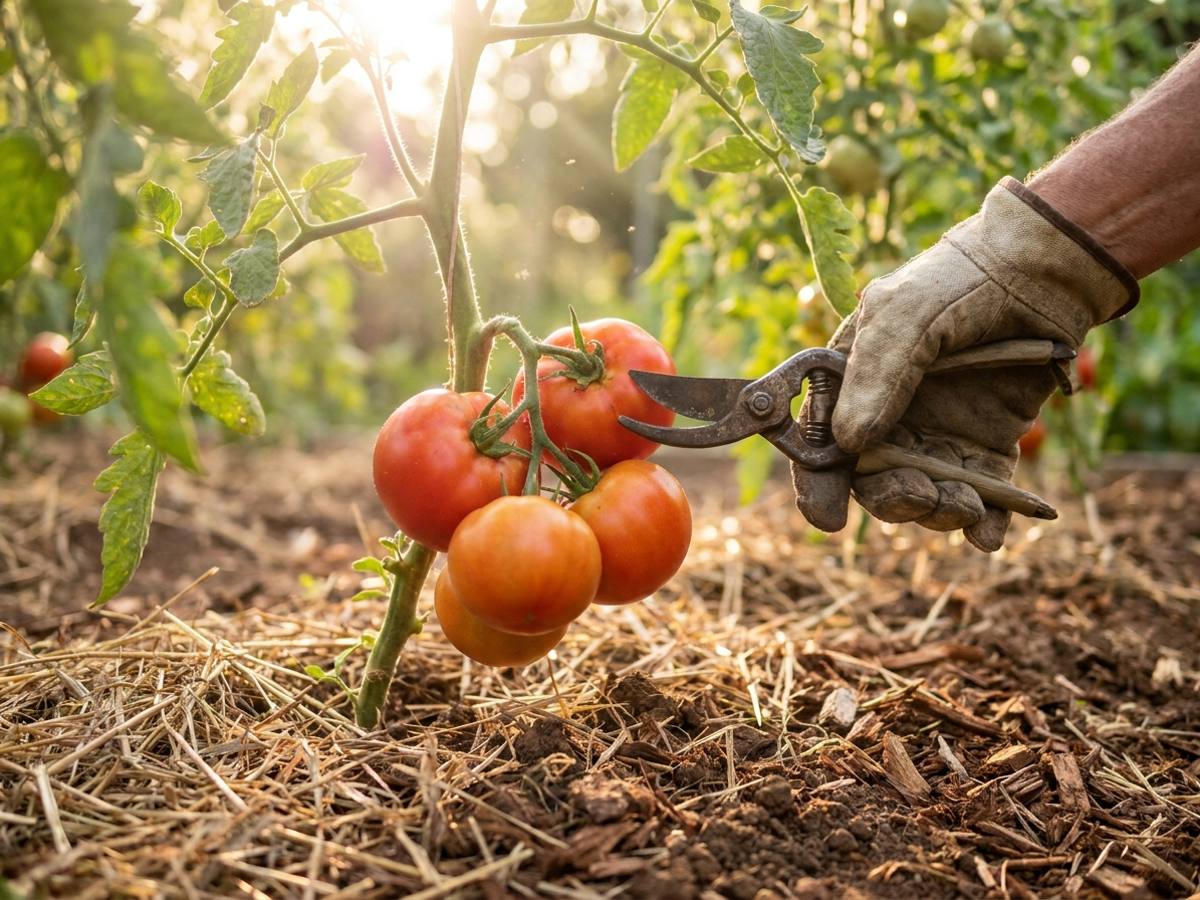
Mulch heavily with 5-7 centimetres of compost or bark around in-ground plants, and use coir or aged compost in containers to retain soil moisture and reduce evaporation.
Switch to drip irrigation or soaker hoses rather than overhead watering, which loses moisture to evaporation and can trigger fungal disease during hot spells.
Choose drought-tolerant varieties like Sungold, Black Cherry, or San Marzano, which show greater root vigour and require less frequent watering than tender grafted types.
Water deeply but less frequently, encouraging roots to grow deeper rather than relying on shallow daily drinks; this applies especially to in-ground crops.
What to watch as August approaches
Over the next four weeks, monitor your plants daily for early stress signs: curling leaves, pale colouring, or sudden fruit drop. Container tomatoes will need daily checking, as pots can dry out in under 24 hours during a heatwave. As August progresses, focus on ripening rather than new growth, thinning foliage slightly to improve air circulation and reduce disease pressure during muggy spells. Your patience now will determine whether September brings a glut or a disappointment.
🌿 Nature & Garden Newsletter
Gardening tips, recipes & seasonal advice, twice a week.