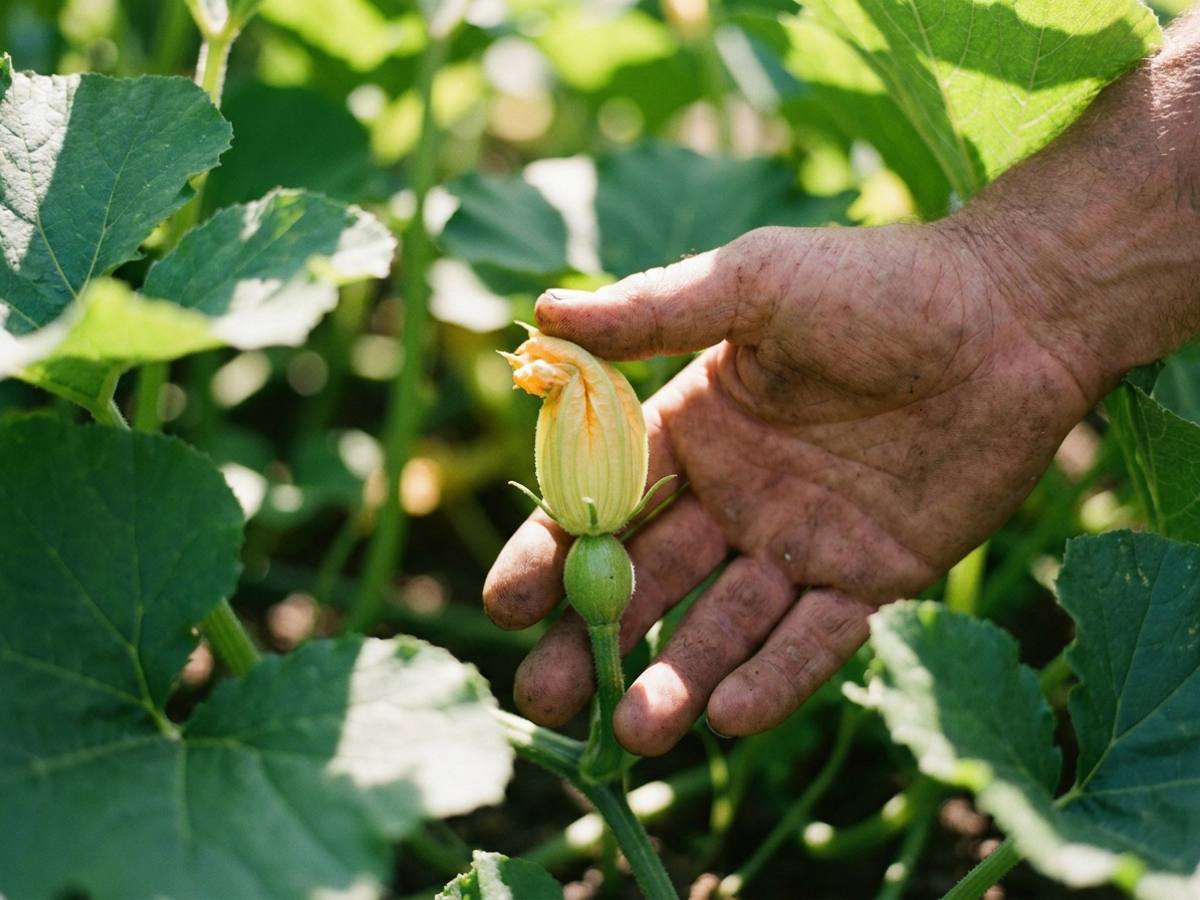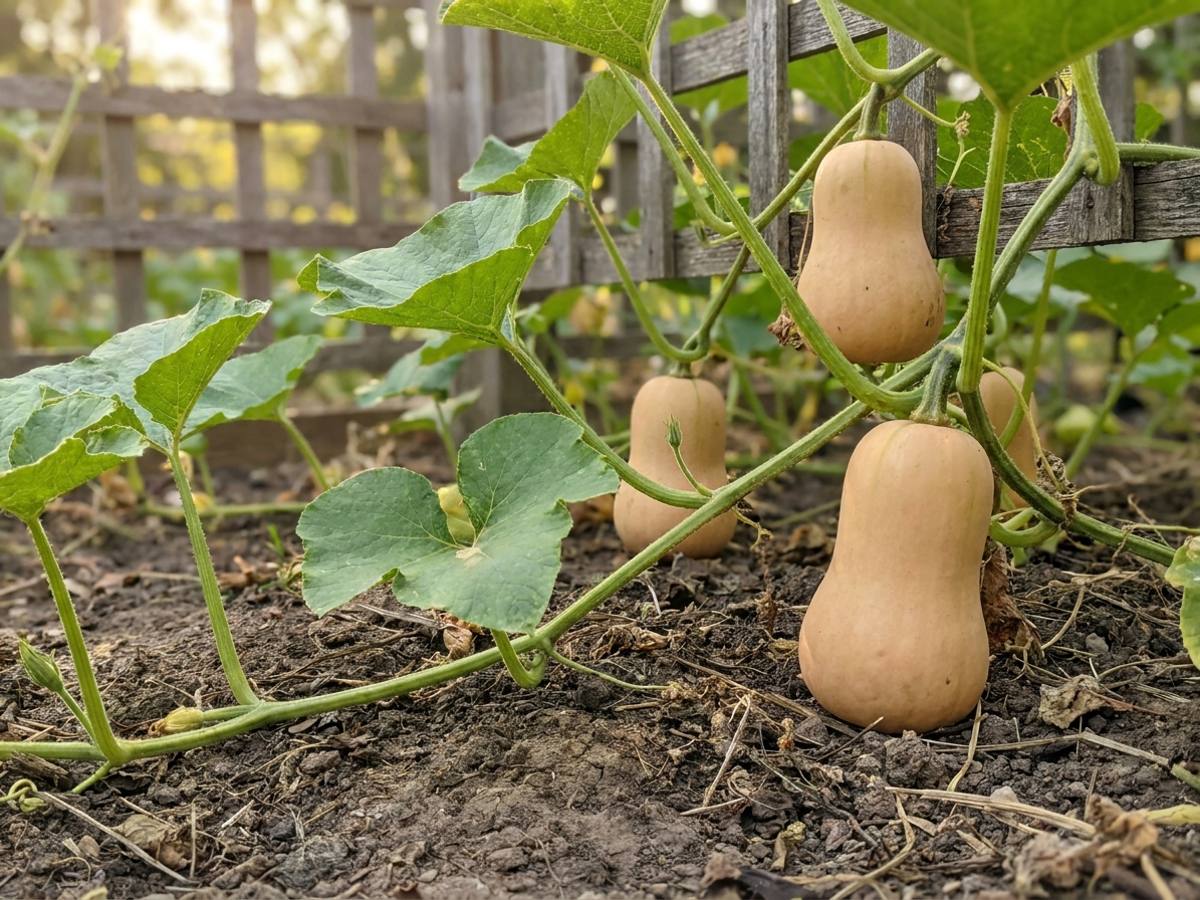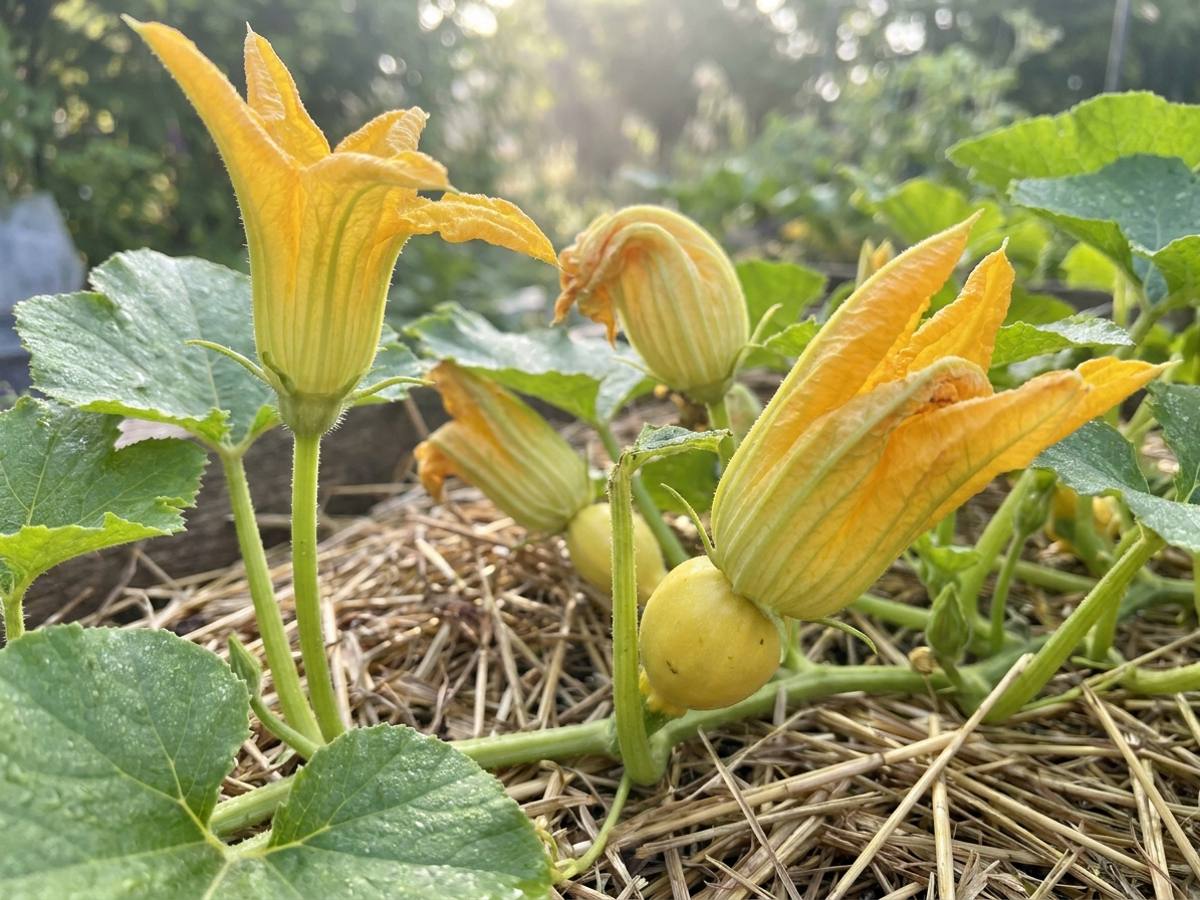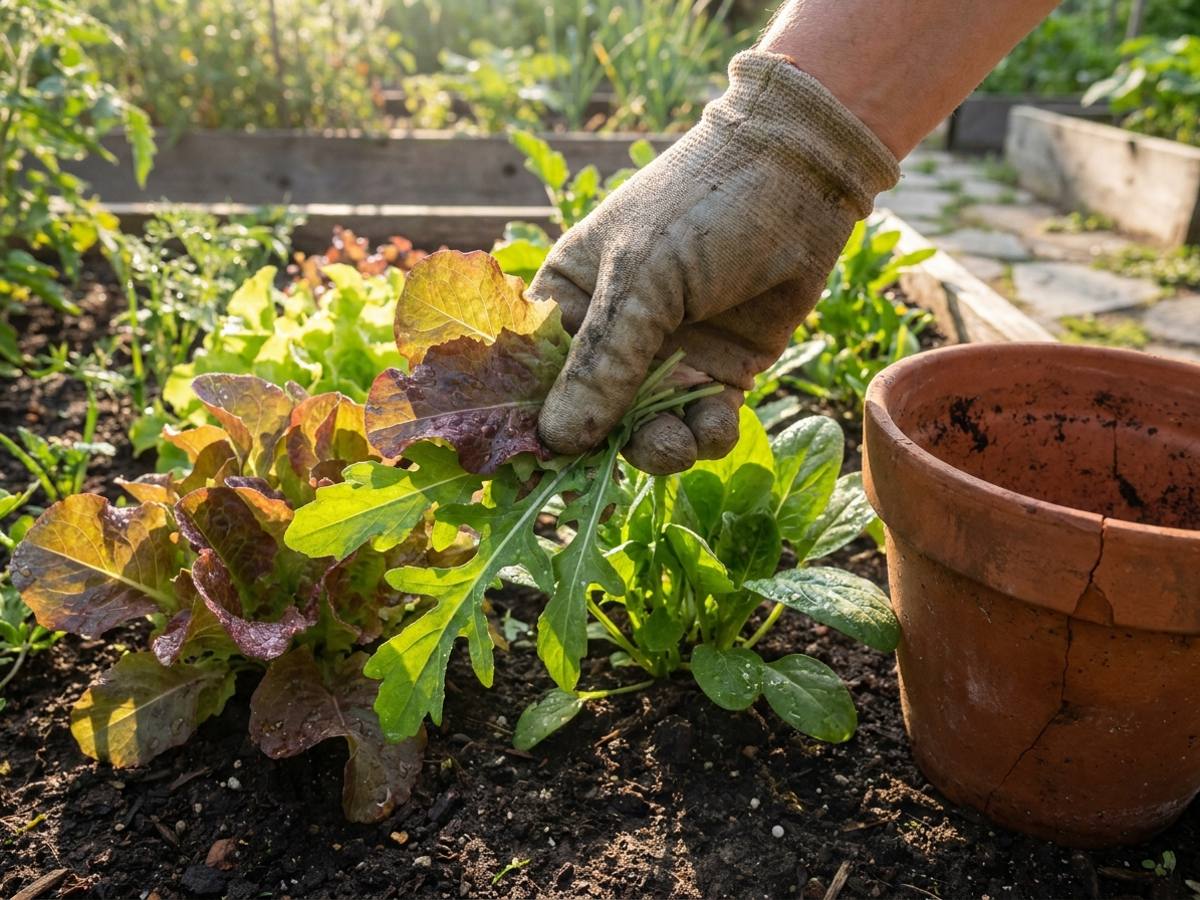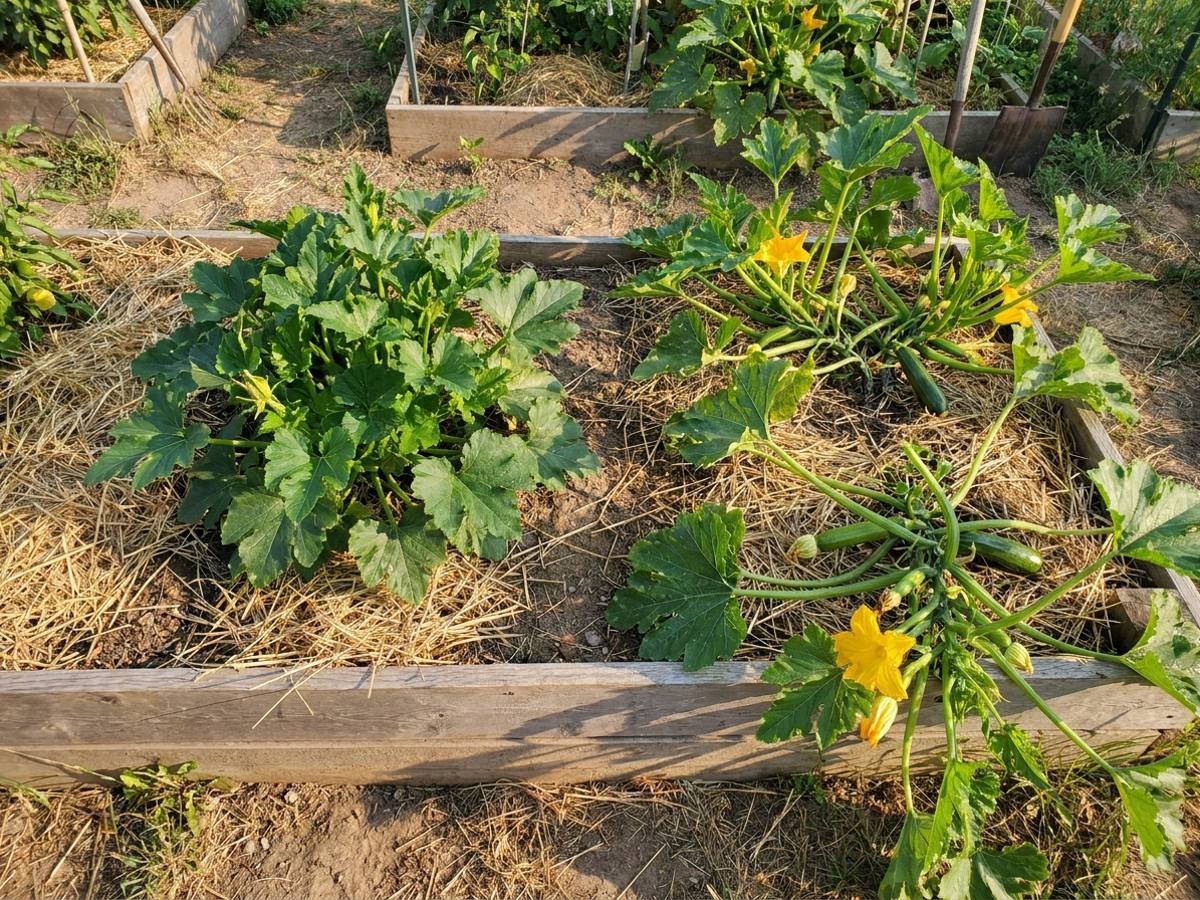
If you’ve been pinching out the growing tips of your squash plants this summer, you might be sabotaging your own harvest. New trial data suggests the conventional wisdom – pruning encourages bushier plants and more fruit – is backwards. Leave your squash alone, and you’ll see more female flowers, heavier yields, and less work in late summer heat.
Late summer is when squash plants hit their stride across both UK polytunnels and US gardens. Vines are sprawling, flowers are opening daily, and gardeners are faced with a decision: should they prune back these vigorous plants or let them run wild? Most traditional advice, passed down for decades, recommends pinching out the main stem to force lateral branching and supposedly increase flowering.
The logic sounds sensible in theory. More branches mean more flower sites, right? But 2025 summer trials conducted across temperate gardens revealed something different. Unpinched squash plants produced significantly more female flowers, the ones that actually set fruit, whilst pinched plants diverted energy into producing more male flowers instead. The yield difference was measurable: unpinched courgette and butternut plants outperformed their pruned counterparts by 15 to 20 percent on average.
This challenges decades of conventional gardening textbooks. The pinching technique was popularised when commercial growers needed compact plants for intensive spacing. Home gardeners adopted the practice without questioning whether it actually served their goal: maximum fruit production. It doesn’t. Squash plants evolved to sprawl for a reason, and fighting that instinct costs you harvests.
If your squash are already pinched, don’t despair. Focus on these actions for the remaining weeks:
Once you have put the secateurs down, four jobs carry an unpinched squash plant through to harvest. Here is what each one involves and why it matters.
| Task | When | What to do | Why it matters |
|---|---|---|---|
| Stop pinching | Immediately, late summer | Leave every remaining growing tip untouched | The plant redirects energy into flowering and fruit before autumn frost |
| Watering | Daily through late summer | Water deeply at the base, early morning or evening | More leaf area means faster transpiration in late summer heat |
| Hand pollination | Cool late-summer mornings | Brush pollen from male to female flowers with a small paintbrush | Covers for scarce bees so female flowers actually set fruit |
| Leaf removal | Late summer to early autumn | Take off only diseased or damaged leaves | Healthy foliage shades ripening fruit and keeps the plant working fully |
None of these jobs involves cutting back healthy vine, and that is the point.
Over the next four to six weeks, monitor your unpinched plants closely. You should see a noticeable increase in female flower production and fruit set compared to any pinched neighbours. Keep the soil consistently moist but not waterlogged, and resist the urge to tidy the vines back. By early autumn, the evidence should be clear: letting squash do what nature designed them to do delivers better results.