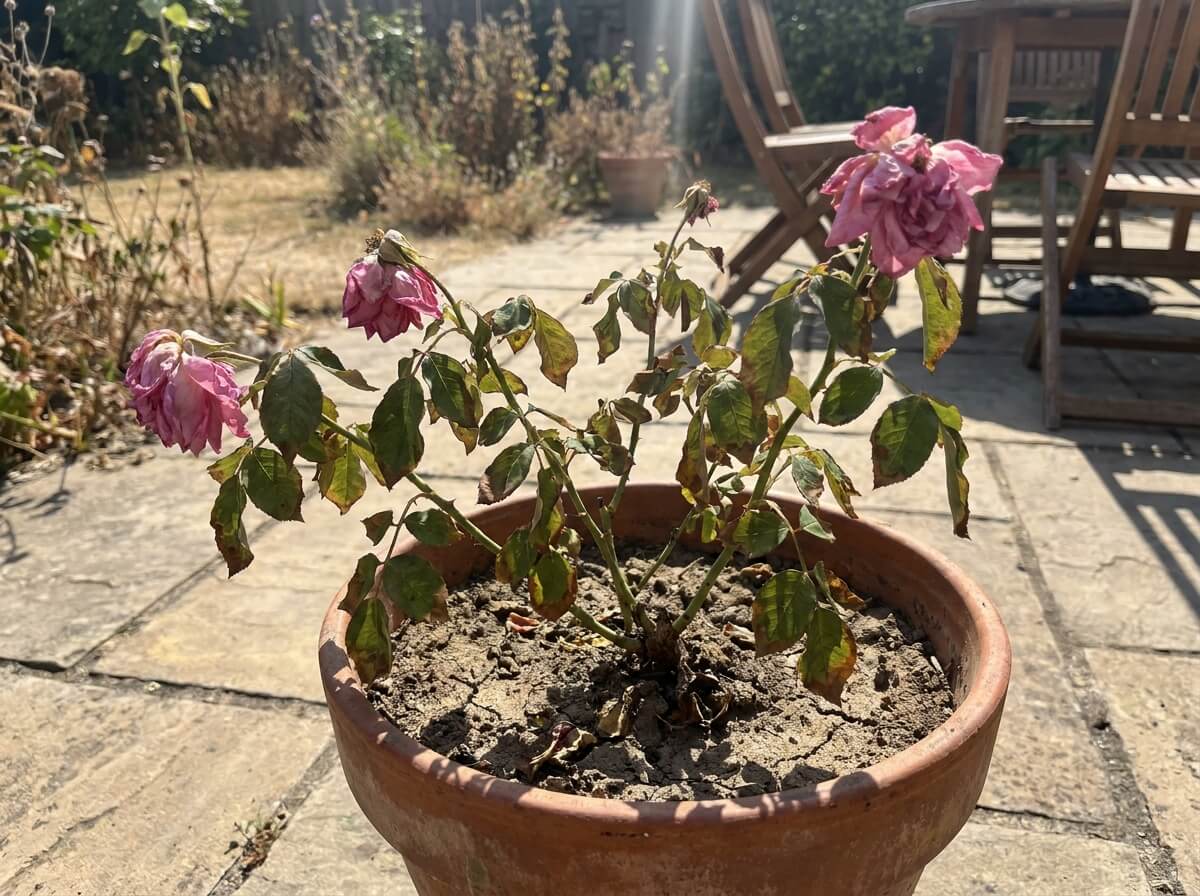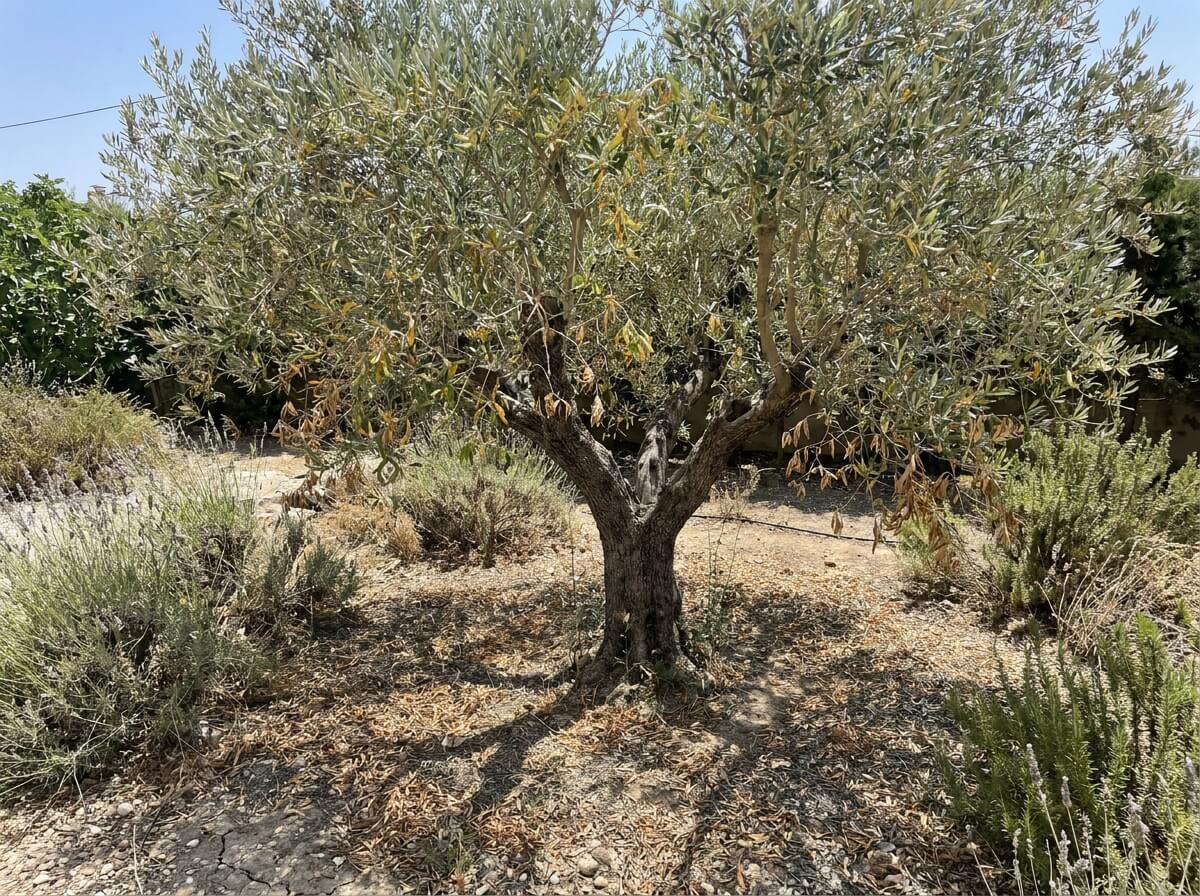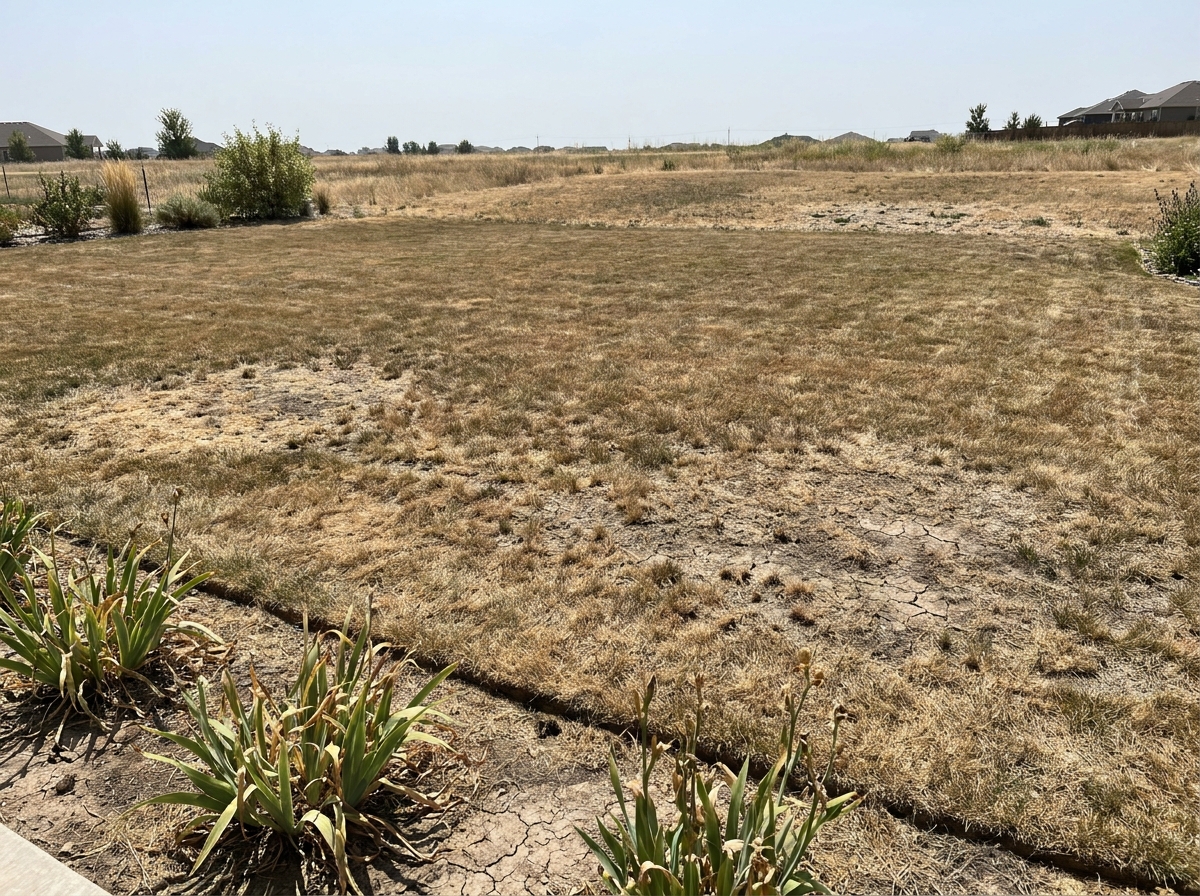
Your lawn is burning and you’re probably the reason. Not the sun. Not the drought. The mower. Cutting grass too short in summer is the single non-negotiable error, and it creates a chain reaction — bare soil, moisture loss, weeds, dead patches — that takes weeks to undo. Raise your blade to 5–7cm right now, and almost everything else sorts itself out.
Grass is a plant. Like any plant, its leaves do the photosynthesis that keeps roots alive.
Slash those leaves down to 2–3cm and you’ve stripped away its engine. The plant panics, shoots up spindly emergency growth, and runs out of energy reserves fast — especially when temperatures push past 25°C.
Short-cut grass also lays the soil bare to the sun. That soil surface reaches temperatures that can hit 50°C on a hot afternoon — you can almost smell it, that dry dusty scorch — and moisture evaporates in hours, not days.
So, weeds like crabgrass, which thrive in bare, hot patches, move in within a week.
And the mowing frequency makes it worse. Mowing a short lawn every five days instead of every ten? That overworks the grass twice as often, leaving it no recovery window.
Nothing dramatic at first. The lawn just gets patchier, slower to spring back after rain, and paler overall.
By late summer, those pale patches turn straw-coloured and cease responding to water entirely.
Dead grass zones will not come good on their own. You’re looking at reseeding in autumn — which means more work, more cost, and a lawn that looks thin for months. Check out the right advice for lawn and grass in fall.
According to the Royal Horticultural Society, summer mowing height should never drop below 4cm — and for fine lawns under drought pressure, 5–6cm is the safe zone. Most gardeners are habitually setting their mowers at 2.5cm year-round.
First: adjust your mower height before the next cut. Set it to 5cm minimum, 7cm if your lawn is already showing stress.
That single adjustment does wonders for your lawn, more than any fertiliser or watering schedule.
Then follow these rules for every mow this summer:
Yes, a slightly longer lawn looks less manicured. Do it anyway — by August you’ll have the greenest lawn on the street. This is not optional. It is non-negotiable.
Mowing height isn’t the only dial to watch. If your lawn is already stressed, look for these signals:
If your lawn is beyond saving this summer, it’s worth exploring alternatives to grass that are climate-proof and lower-maintenance — especially as El Niño weather patterns continue pushing summer temperatures higher across the Northern Hemisphere.
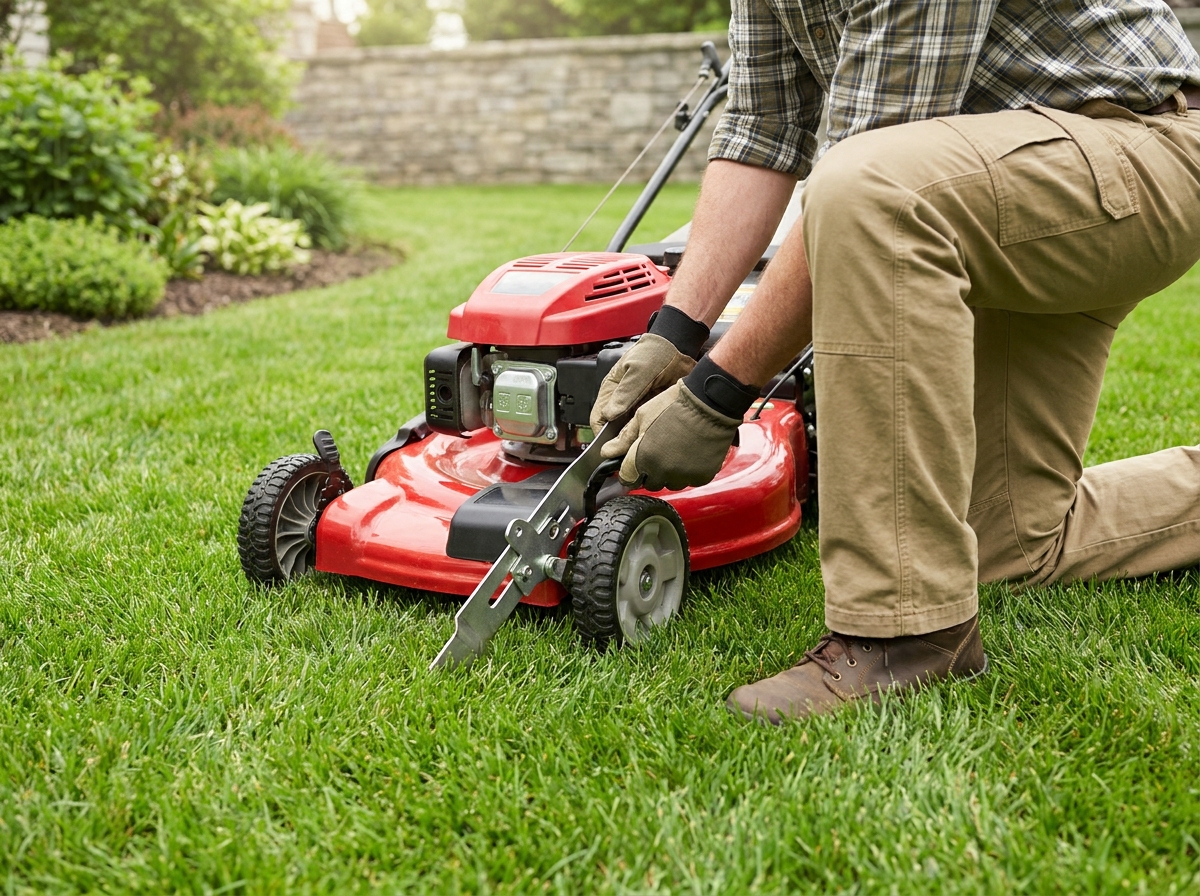
Smart tip: Raise your mower blade to 5–7cm every summer — it’s the single highest-impact lawn adjustment you can make.
Every fortnight is enough for most lawns in summer heat. Mowing more often stresses grass that’s already struggling to recover.
Always mow dry grass — wet blades tear rather than cut cleanly and clog your mower. Water the day after mowing, not before.
Probably not. Most cool-season grasses go dormant in heat rather than dying, and spring back again within 2–3 weeks of lower temperatures or consistent deep watering. But wait before reseeding.
In June, Australia, New Zealand and South Africa are in winter — lawns grow slowly and need far less mowing. Return to this advice in your December–February summer season.