Summer is peak season for lawn diseases. And the troubling part? The damage is already cracking on before most gardeners cotton on. Hot days, humid nights, stressed grass. These create ideal conditions for fungal infections to take hold and spread. Knowing what to look for right now — and acting within days, not weeks — is the difference between a quick recovery and a lawn that needs major renovation come autumn.
Fungal lawn diseases don’t need rain to spread. They need warmth, humidity, and a lawn that’s under stress. When daytime temperatures climb above 20°C and nights stay mild and damp — bang on the conditions forecast across the UK and much of the northern hemisphere right now — fungi like Laetisaria fuciformis (red thread) and Sclerotinia homoeocarpa (dollar spot) shoot up rapidly. Quick.
The single biggest vulnerability is low nitrogen. A grass plant short on nutrients can’t repair cellular damage fast enough to outpace the fungus. Simple as that.
Compacted soil, excessive thatch, and evening watering all make the issue properly sticky. That faint musty smell on a warm morning? That’s fungal activity. Already present in the turf. A bit dodgy.
Mowing too short accelerates things further. Scalped grass is weakened grass. But that’s not the end of it. Read more about the mowing mistake that’s burning your lawn this summer to understand bang on how cutting height affects disease resistance.
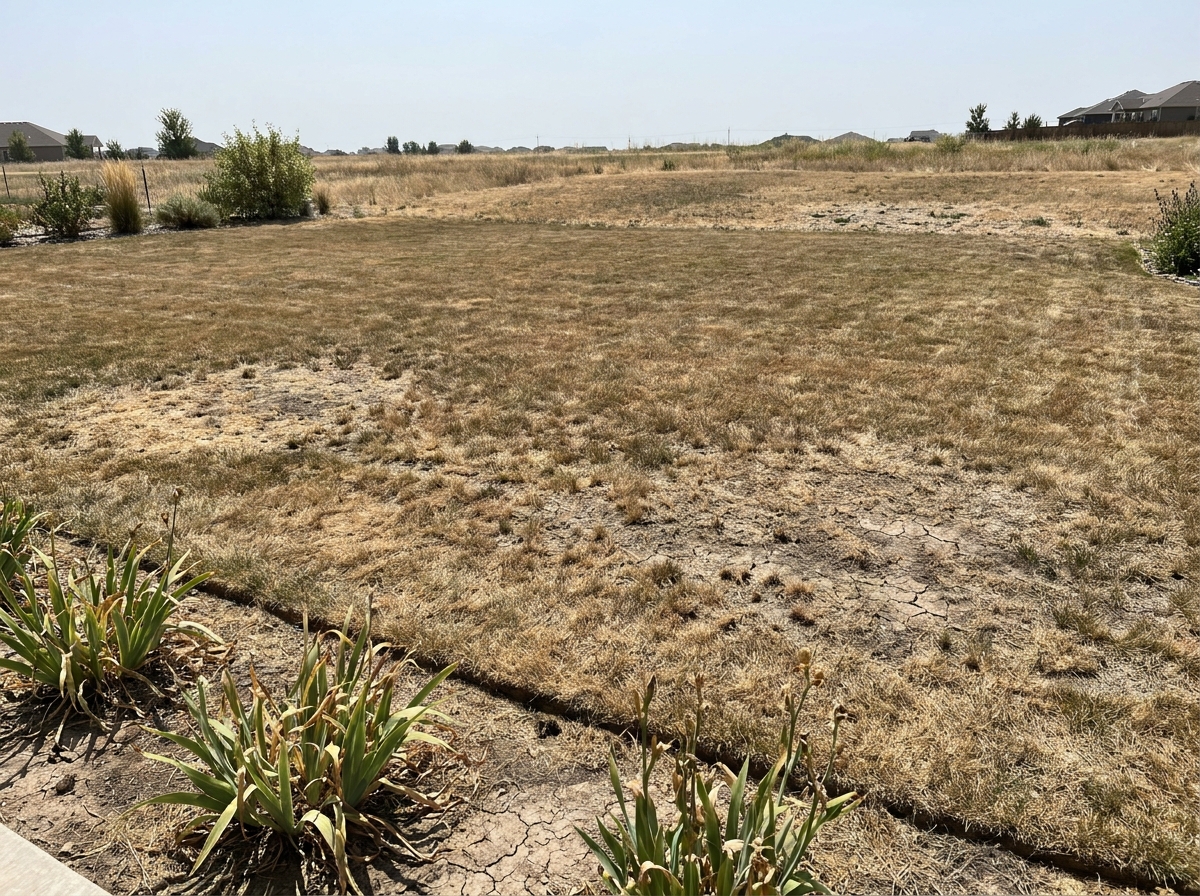
Misreading the symptom is the most common error. Patchy, discoloured lawns in summer almost always get blamed on drought or heat — and sometimes that’s correct. But a brown lawn in summer isn’t always dead. Disease tells a different story. One you need to know.
Here’s what to look for:
Don’t just glance at your lawn from the door. Get down. Properly. Get on your hands and knees and look at the base of affected grass stems. That’s where the proper evidence is. No two ways about it.
Speed is everything. It’s non-negotiable. A disease caught at 5% coverage is sorted in an afternoon. But the same disease at 40% coverage means weeks of recovery. Potentially reseeding entire sections. You don’t want that. Trust us.
Yes, it’s a bit of proper graft. Takes two or three weekends. Get on with it anyway — a lawn that recovers from disease without proper intervention almost always reinfects within the same season. Every time. Don’t skip this bit.
Once you’ve treated, don’t stop watching. Summer disease pressure doesn’t end. It shifts. And it’s sneaky.
Check for new patches appearing at the edges of treated areas every 5–7 days. Fairy ring symptoms often worsen before they improve. So don’t panic if the dark ring becomes more visible in week two. And if you’re watering regularly but still seeing drought-like stress, check whether overwatering is actually part of the issue. Lawns lose water in ways most gardeners don’t realise. Irregular watering weakens turf just as much as drought. That’s a kicker.
The RHS lawn disease guide and the University of Minnesota Extension turfgrass programme both provide excellent identification resources if you’re unsure which disease you’re dealing with. It’s proper helpful. Sorted.
Southern Hemisphere gardeners: December and January? That’s your peak disease season. Take note.

Smart tip: Always water in the morning, never at night — overnight wet grass is the single fastest way to trigger fungal disease.
Most lawn fungi are grass-specific and won’t infect flower beds or shrubs. But fungal spores can spread to new lawn areas via mower blades. So clean your mower with a disinfectant solution after cutting affected patches. Every time.
Mildly affected areas often recover once conditions cool and the grass is fed. But without treatment, reinfection is almost certain. Severely damaged patches (dead grass, no green regrowth after 3 weeks)? They’ll need overseeding. That’s how it is.
Disease patches are irregular, often have a defined border or colour pattern at the edges. Sometimes visible fungal growth shows at ground level. Drought damage is more uniformly spread. And the grass bounces back quickly after deep watering. A clear distinction.
Most modern lawn fungicides are safe once dry — typically 1–2 hours after application. Always read the product label for the specific re-entry interval, as formulations vary.