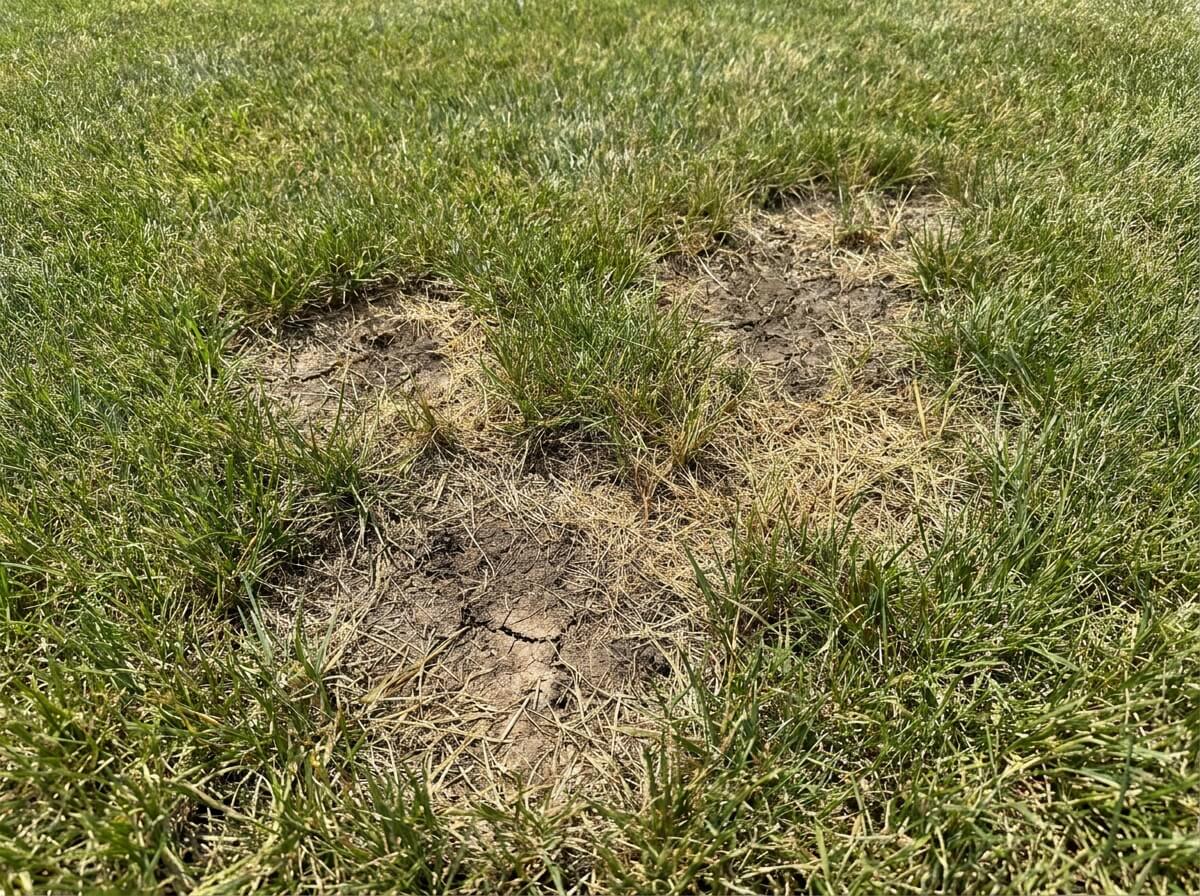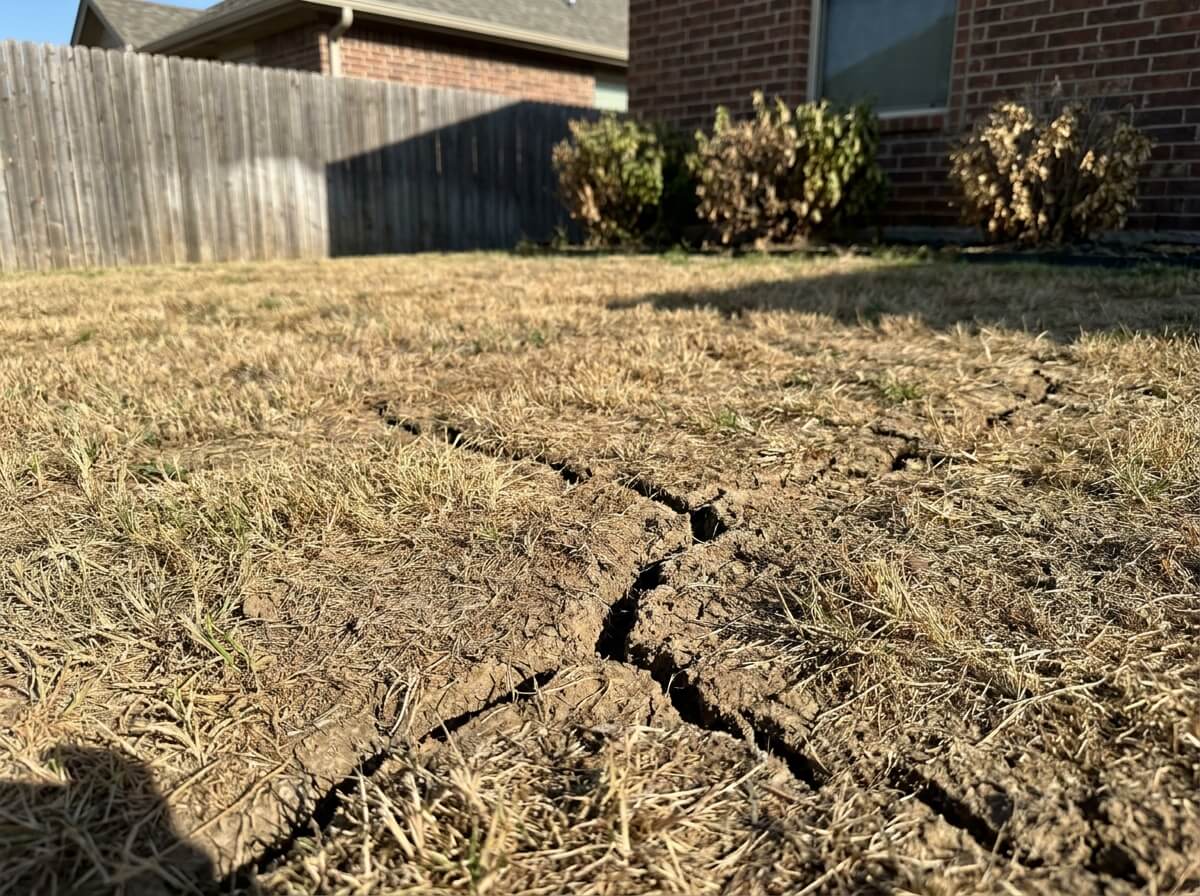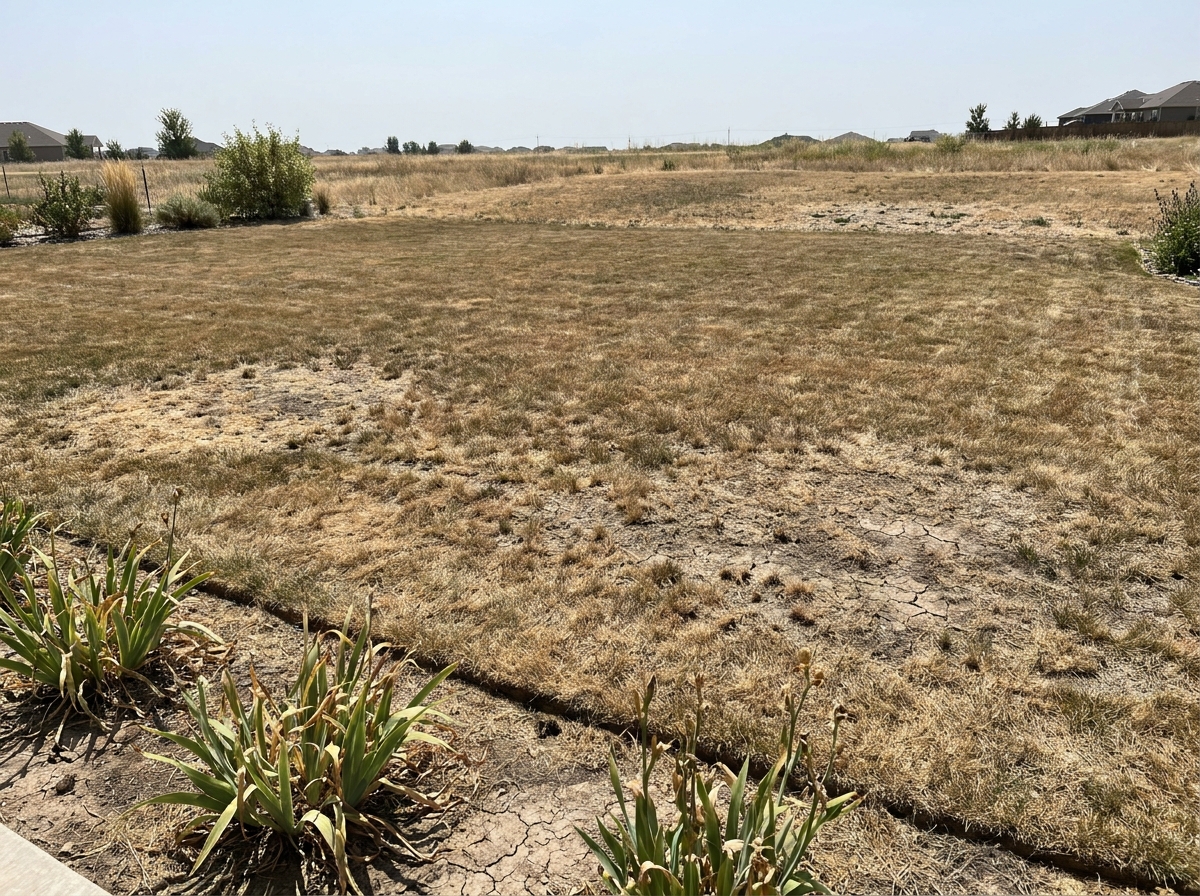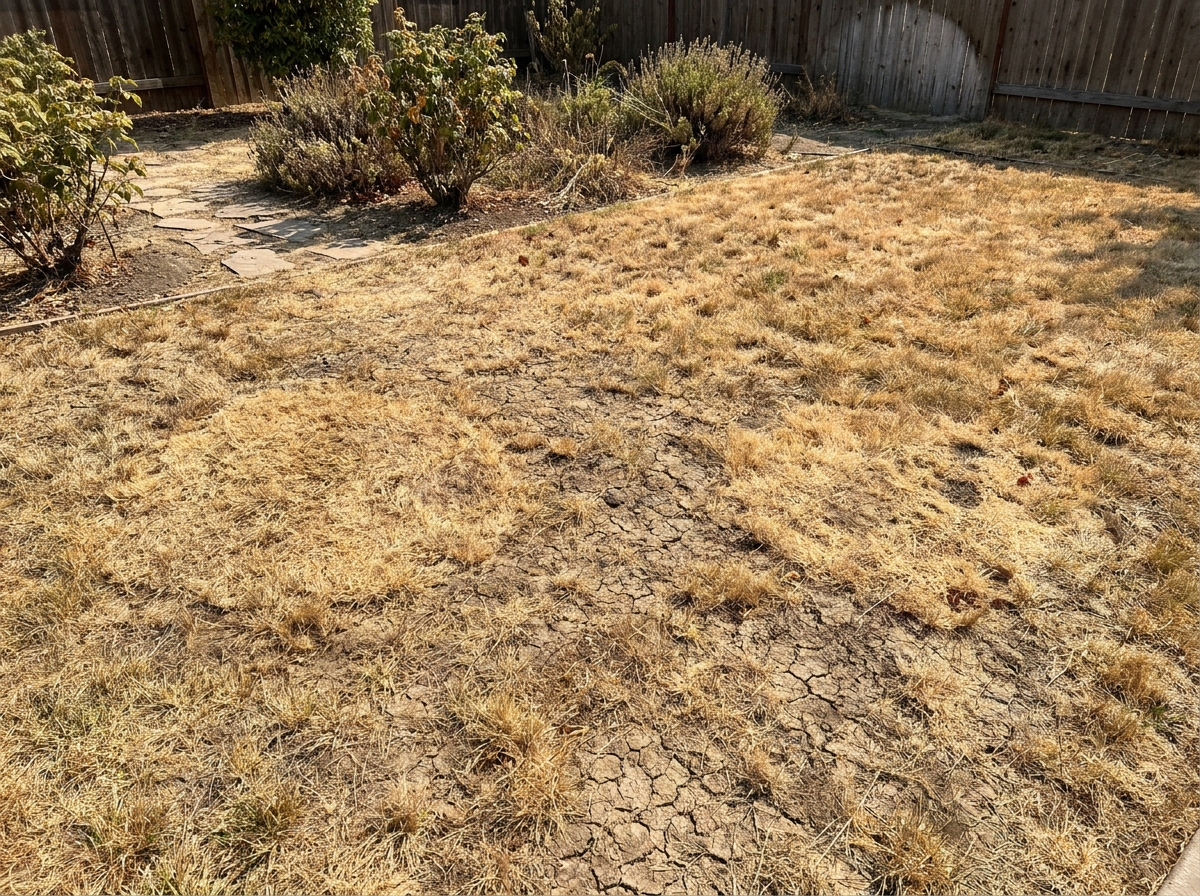
That flat, straw-coloured expanse where your lawn used to be is unsettling. But here is the immediate answer: brown summer grass is almost always dormant, not dead. Grass enters a survival state when heat and drought hit, shutting down the visible blades while keeping the crown — the true living heart of the plant — properly alive underground. Panic is understandable. But it is, in most cases, a bit much.
Grass is smarter than it looks. So, when soil temperature rises and rainfall drops, cool-season grasses like fescue, ryegrass, and Kentucky bluegrass essentially power down.
They stop photosynthesising, let the blades die back, and redirect all remaining energy to protecting the crown and roots just below the surface.
Warm-season grasses — Bermuda, buffalo, zoysia — behave differently. They actually thrive in heat and only brown off in cold.
If you are in Australia, South Africa, or the southern US and your lawn is brown right now in winter, that is a separate conversation entirely.
For Northern Hemisphere gardeners in a summer drought, the culprit is almost always one of these:
With El Niño conditions currently driving hotter, drier summers across large parts of the Northern Hemisphere, this is not unusual. It is the new expected outcome for July and August in many UK and US gardens.
Dormancy is not damage. But cool-season grass can survive 4–6 weeks of full dormancy without a single drop of water, according to research from Penn State Extension. The crown sits just at or below soil level and demands almost no moisture to stay alive.
The real danger is not the drought itself. It is what gardeners do in response to it.
The thing is, do nothing, or do it right. It is non-negotiable.
First, confirm it is dormancy and not disease. Pull a small plug of turf.
If the crown — that white or pale yellow junction where blade meets root — is firm and intact, it is dormant. But soft, black, or foul-smelling tissue means fungal rot, which is a different issue entirely.
Once you have confirmed dormancy, choose one of two approaches and stick with it:
Raise your mower height to at least 7cm (about 3 inches). And longer blades shade the soil, reduce moisture loss by a measurable amount, protecting the crown from direct sun.
And if you have a hosepipe ban in place — many UK councils enforce them in drought — check local restrictions before you run a sprinkler.
Skip the fertiliser entirely until the lawn is fully green and actively shooting up again, which typically takes 7–14 days of consistent deep watering.
Brown colour alone is not the whole story. Watch for these alongside the browning:
If neighbouring lawns are green and yours alone is brown, it is probably not drought dormancy. That is when you dig deeper — literally.
For any other plants on your property labouring through the same heat, the same principle applies: check the roots before assuming the worst. You might also find the article SunPatiens Are Wilting in the Heat — Here is What is Actually Going Wrong useful if your beds are suffering alongside the lawn.
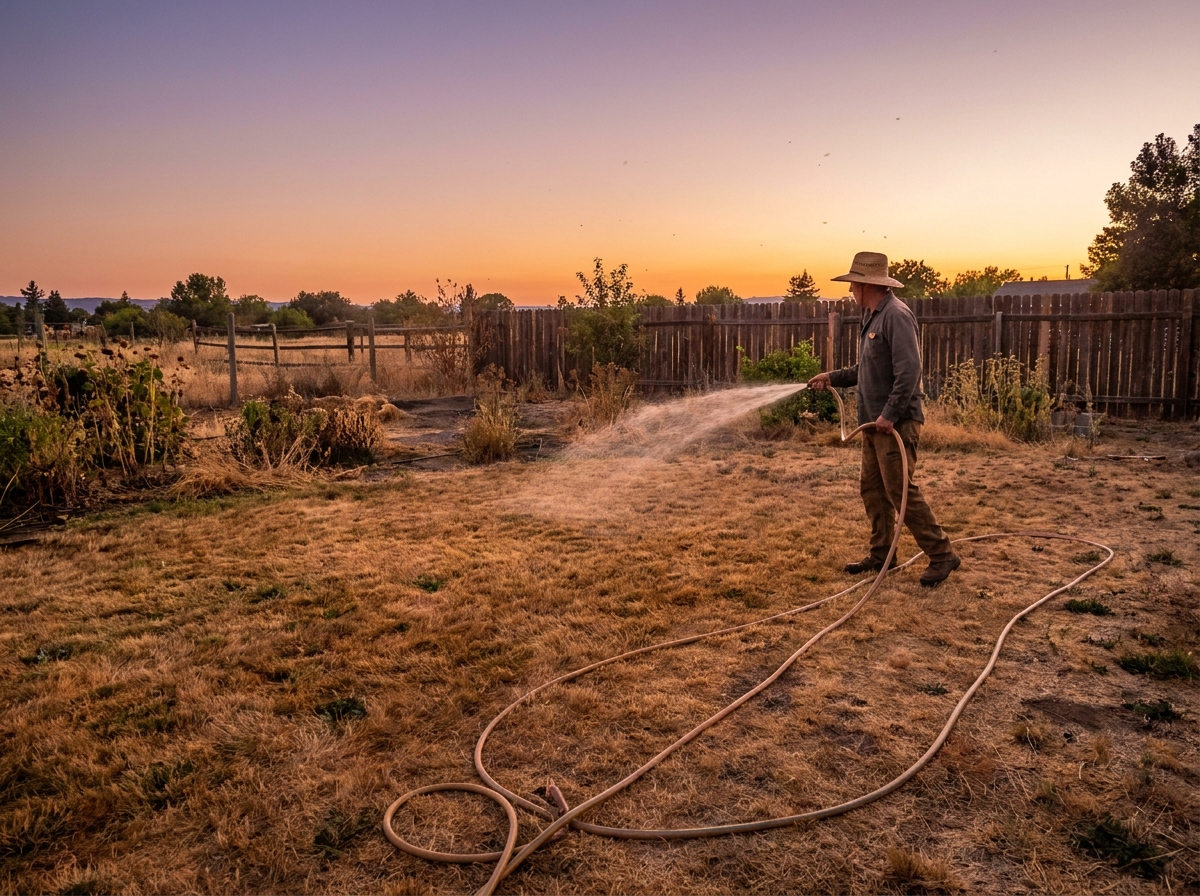
Smart tip: Check the crown before you do anything — a firm white crown means your lawn is sleeping, not dead.
Cool-season grasses tolerate 4–6 weeks of full dormancy without permanent damage. Beyond 6 weeks without any water at all, crown death becomes a real risk — especially in sandy soils that hold no residual moisture.
No. Daily shallow watering is worse than no watering — it trains roots to stay near the surface where heat kills them.
Water deeply twice a week at dusk instead, 20–30 minutes per zone.
Avoid it as much as possible. Foot traffic on drought-stressed grass compacts the already-hard soil and physically damages crowns that have no recovery buffer right now.
In most cases, yes. Once temperatures drop and autumn rains arrive, dormant lawns green up within 2–3 weeks with no intervention.
The RHS notes this is the expected outcome for the vast majority of UK lawns after summer drought.