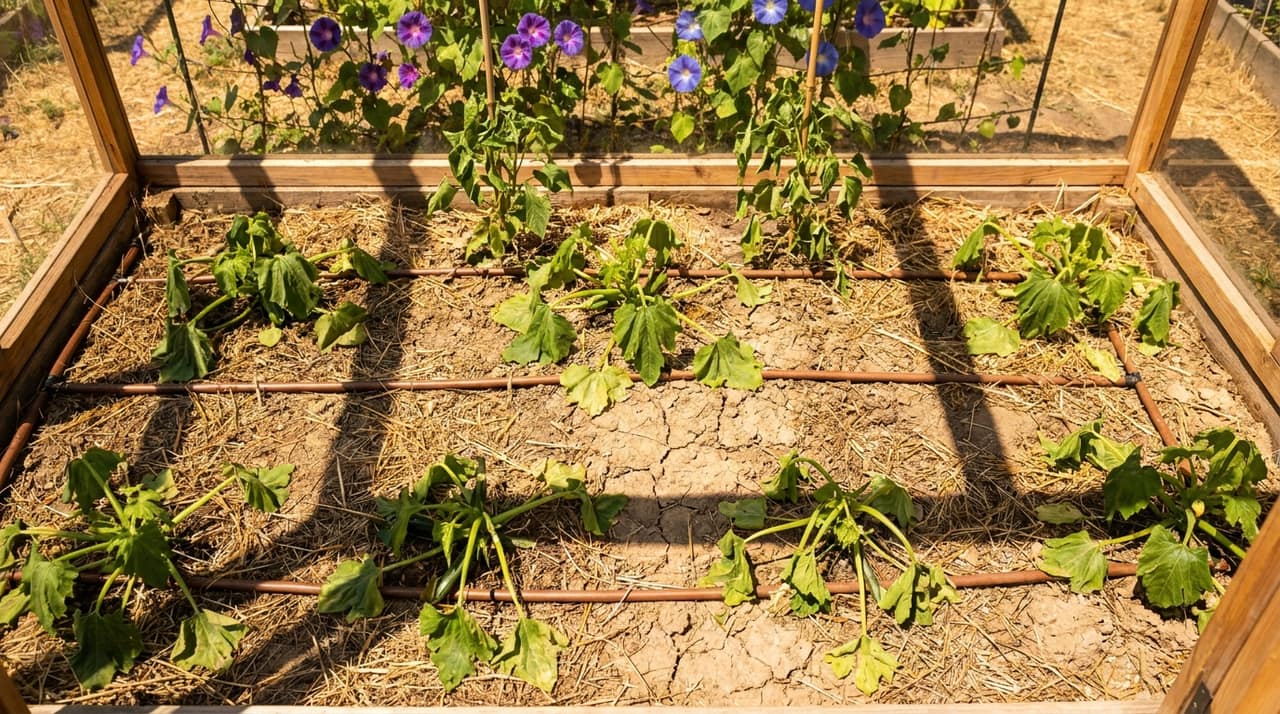
Midsummer’s peak heat is the number-one killer of summer vegetable crops across the Northern Hemisphere. Tomatoes, peppers, courgettes and beans are wilting despite appearing wet, and many gardeners don’t realise why. The good news? A handful of timing adjustments and science-backed watering tricks can save your harvest before late summer arrives.
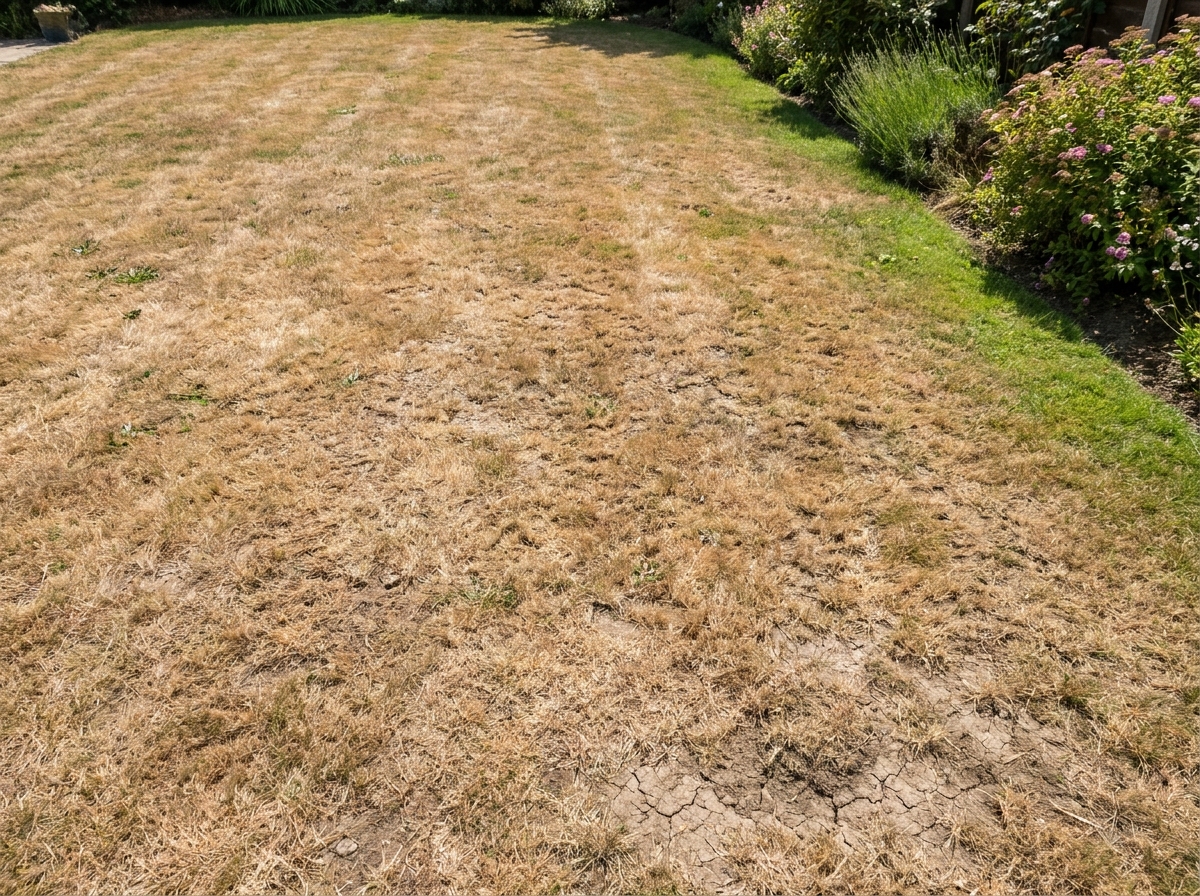
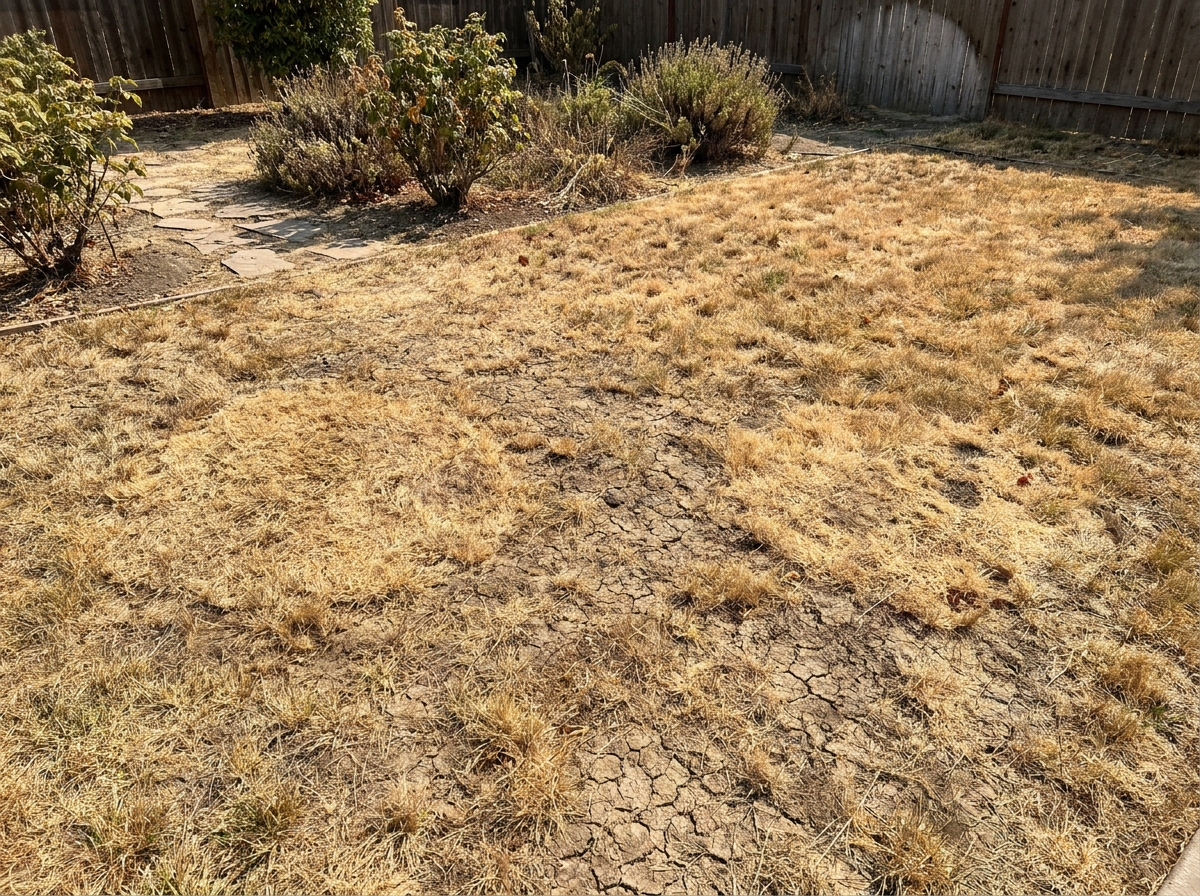
Right now, soil temperatures in UK and US gardens are climbing into the danger zone. Midday air temperatures regularly exceed 28°C, and in southern regions they’re touching 35°C or beyond. Unlike early summer, the combination of intense heat, longer daylight hours and depleted soil moisture creates a perfect storm for crop failure, especially in unshaded beds and containers.
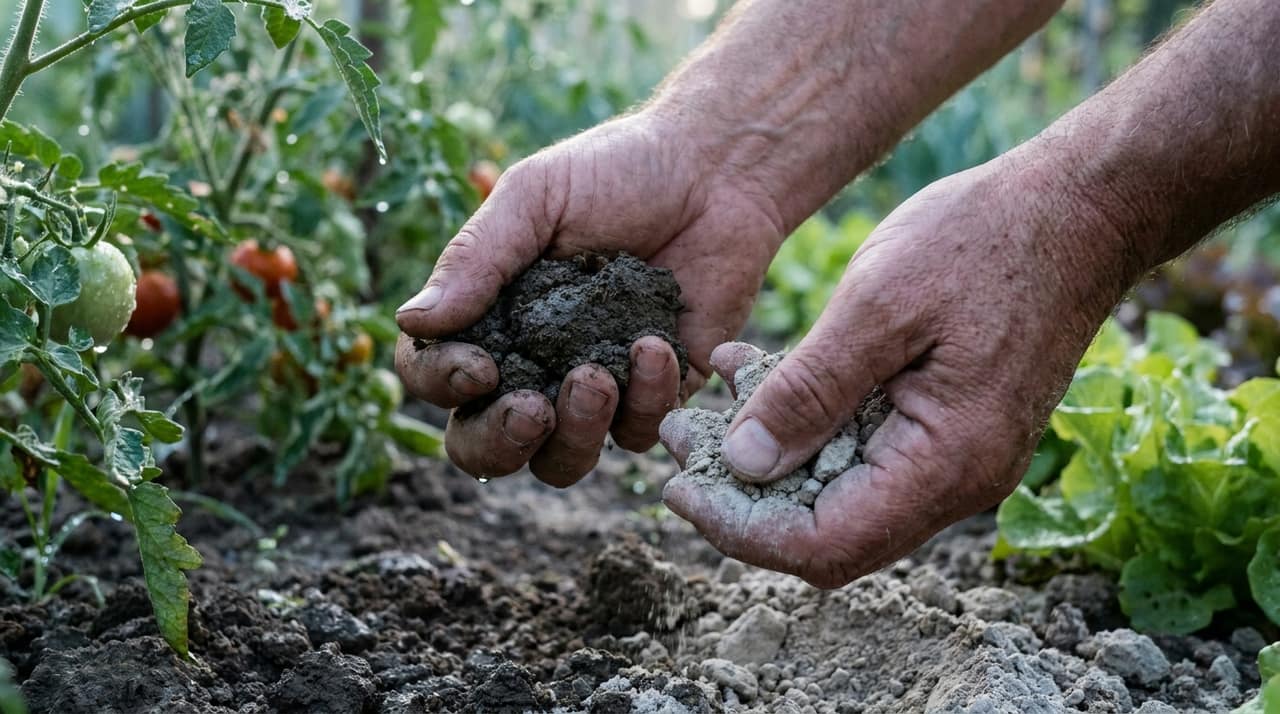
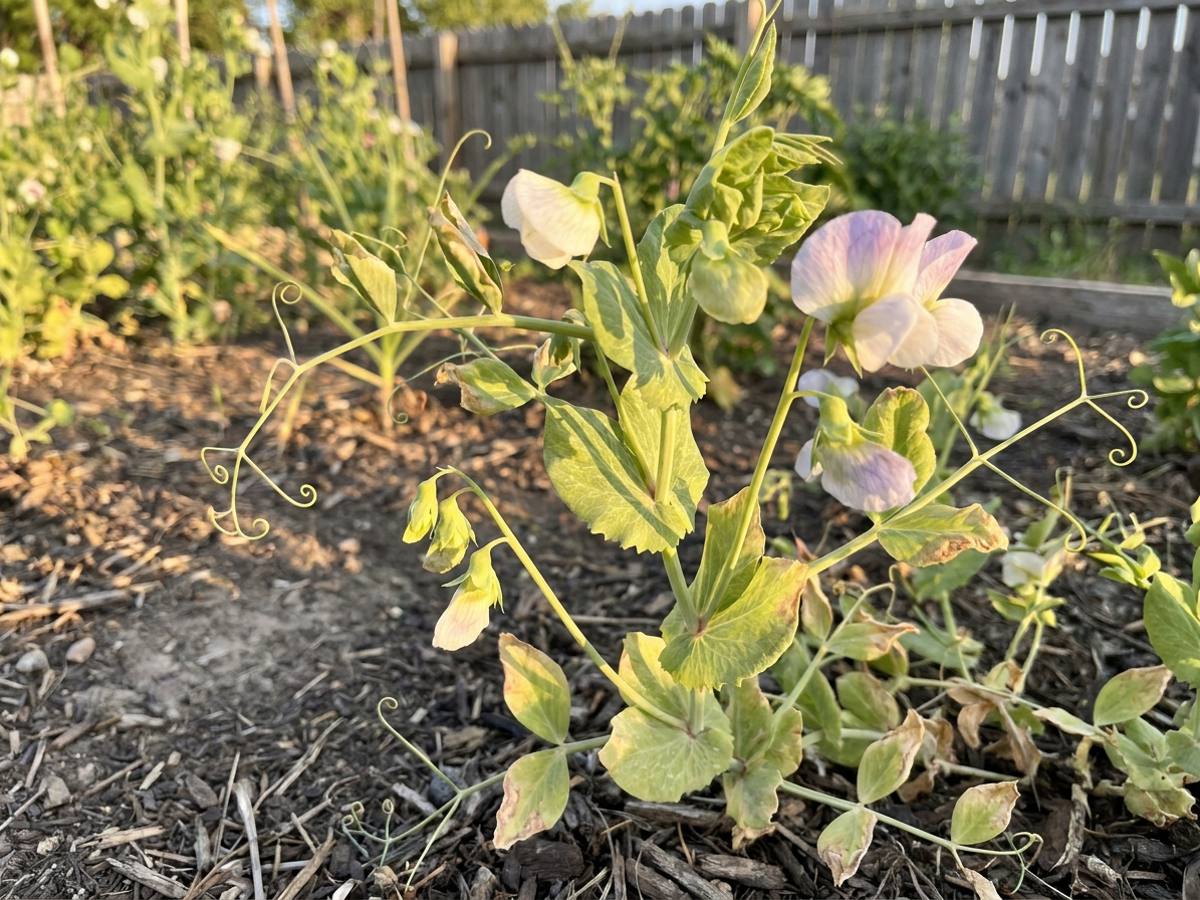
Many gardeners assume wilting means thirst, so they water more frequently. In reality, midsummer heat stress operates differently. When soil temperature rises above 26°C, plant roots struggle to absorb water efficiently, even when moisture is present. Simultaneously, high temperatures trigger early bolting in lettuce, bean flowers drop before setting fruit, and tomato pollen becomes sterile above 32°C, preventing fertilisation.
Research from the Royal Horticultural Society shows that inconsistent watering in midsummer amplifies stress. Fluctuating soil moisture weakens the plant’s ability to regulate temperature through transpiration, creating a vicious cycle where wilting accelerates and recovery becomes slower.
Heat stress does not hit every crop in the same way, and each failure has its own trigger point. Use this table to match what you are seeing in the bed to the temperature causing it.
| Crop affected | Heat trigger | What goes wrong | What helps most |
|---|---|---|---|
| All crops | Soil above 26°C | Roots cannot absorb water efficiently, so plants wilt even in moist soil | 5cm of mulch, which lowers soil temperature by up to 5°C |
| Lettuce and spinach | High air temperature | Early bolting, ending the useful leaf harvest | Temporary shade cloth over the bed |
| Beans | High air temperature | Flowers drop before setting fruit | 30 per cent shade fabric, which cuts leaf temperature by 3 to 4 degrees |
| Tomatoes | Air above 32°C | Pollen becomes sterile and fertilisation fails | Afternoon shade, heavy mulch and consistent moisture |
Match the fix to the trigger rather than simply reaching for the hose more often.
Implement these four changes immediately to stabilise your vegetable beds:
Watch your plants daily for signs of recovery. New growth should emerge within 5 to 7 days of consistent morning watering. Keep soil consistently moist but not waterlogged, as root rot is a secondary danger in midsummer. As late summer progresses and night-time temperatures begin to drop, your crops will strengthen and many will produce a second flush of flowers and fruit before autumn.