Home » Gardening » The fruit Orchard » Do This to Your Fruit Trees in June or Regret It All Summer

Do This to Your Fruit Trees in June or Regret It All Summer

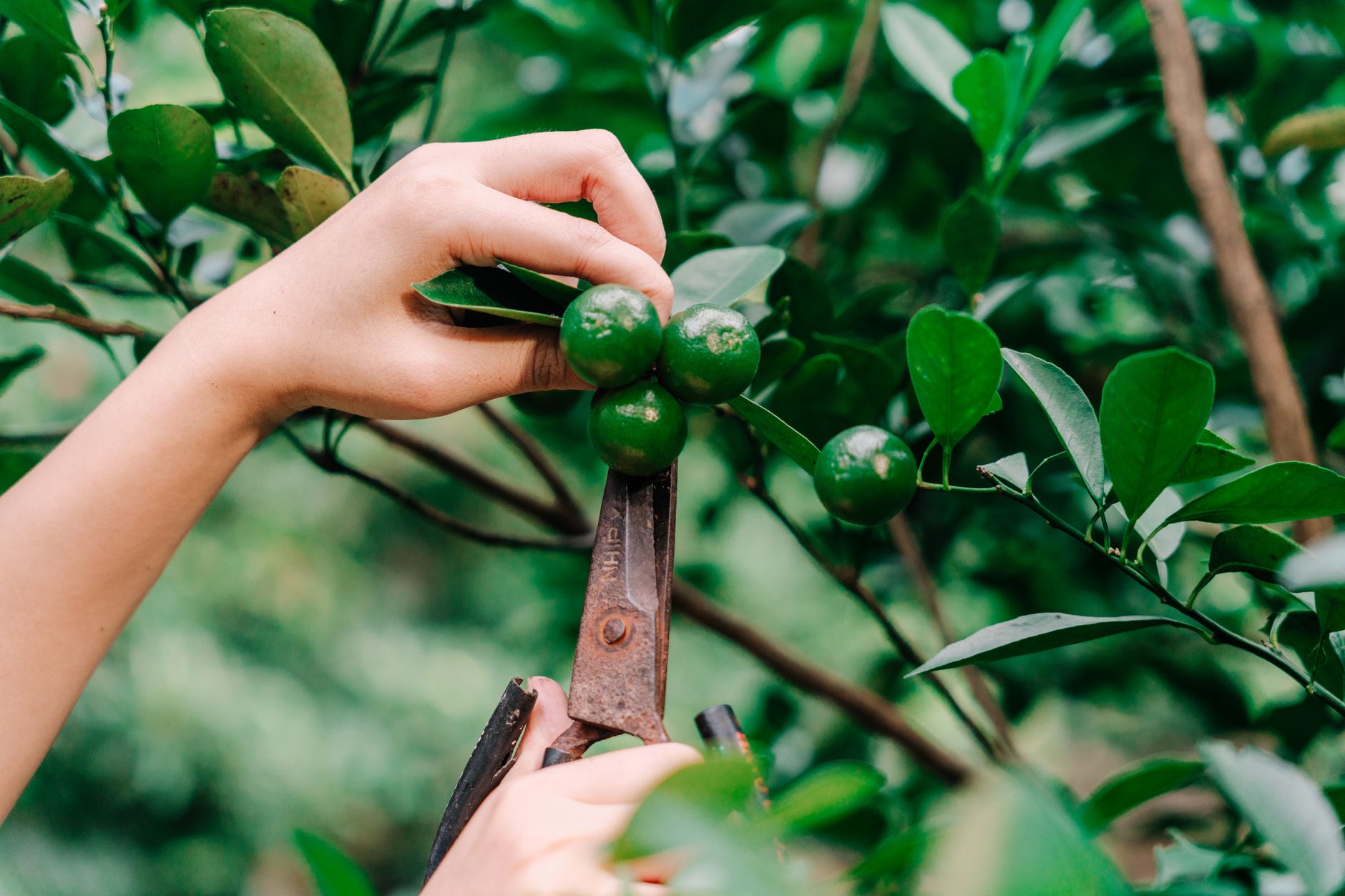
Gardener tending to a laden fruit tree in a sunny summer orchard garden
0

June feels like the easy part — trees are green, fruits are forming, and everything’s looking fine. But right now, while you’re relaxing, your fruit trees are quietly heading toward disaster. What you do (or don’t do) this month, that’s what’ll decide whether you get a bumper harvest or a disappointing basket of small, split, disease-ridden fruit.

Don’t panic. These fixes are fast, satisfying, and absolutely worth it.

The One Thing Most Gardeners Skip: Thinning the Fruit

It feels completely wrong. You’re removing fruit from a tree that’s supposed to produce fruit. But fruit thinning in June is the single most impactful thing you can do for your harvest quality.

When a tree’s carrying too many fruits, it spreads its energy too thin. You’ll end up with dozens of tiny, flavorless fruits instead of a smaller crop of sweet, juicy ones.

  • Wait until after the “June drop” — when trees naturally shed some fruits on their own
  • Then manually remove fruits so they’re spaced 10–15 cm (4–6 inches) apart
  • On peach trees, thin aggressively — one fruit per 20 cm is not too much — actually, no — you’ll want to be even more ruthless sometimes!
  • On apricot trees, thinning prevents branch breakage under heavy loads. Nobody wants that.
  • Drop thinned fruits in the compost, not on the ground (disease control!) Such a simple hack.

It’s stinging to do it. But your future self — biting into a perfect peach in August — will thank you.

Water Deeply, Not Daily

Summer heat’s here, and the instinct is to water a little every day. That’s actually one of the worst things you can do for a fruit tree. Shallow, frequent watering keeps roots near the surface where they’re vulnerable to heat and drought stress. Watering a little bit every day? Doesn’t work. Full stop.

So, train your trees to go deep.

  • Water deeply once or twice a fortnight — soaking the soil to at least 30 cm depth
  • Focus water at the drip line (the outer edge of the canopy), not the trunk
  • Use a thick mulch layer (5–8 cm) of wood chips or straw to retain moisture. You’ll be glad you did.
  • Potted trees — like a potted olive or compact fruit tree on a balcony — may need watering every 2–3 days in a heatwave. But it’s tough out there for them.
  • Water around 6:15 AM to reduce evaporation and fungal risk

According to the University of Minnesota Extension, inconsistent watering in summer is one of the top causes of fruit cracking and splitting — especially in cherries and plums. It’s a real shame when that happens.

Summer Pruning: Yes, Right Now

Most gardeners only think about pruning in winter. But a light summer prune in June is a secret weapon that lets more sunlight reach your developing fruits — and that means better color, flavor, and sugar content. And that’s important.

Keep it simple and targeted:

  • Remove vigorous, vertical shoots (called water sprouts) growing straight up from branches
  • Trim back any shoots shading the fruit clusters directly
  • Don’t remove more than 10–15% of the canopy at once in summer. You’ll thank yourself later.
  • On cherry trees, summer pruning also reduces the risk of silver leaf disease — a real threat if you’ve pruned in wet, cold conditions. It’s a tricky one.

Check out our complete resource on summer care for fruit trees — it covers everything from feeding to pest control.

Don’t Forget Your Berry Patch

While your trees get all the attention, your berries are demanding love too. June is prime time for raspberries and currants, and a quick afternoon’s worth of actions now will protect both this year’s and next year’s harvest. They’re worth it.

  • Harvest raspberries regularly — every 2 days if possible — to prevent mold and encourage more fruiting; learn more about caring for your raspberry bushes. You won’t regret it.
  • For red currants, net the bushes now — birds will strip them within about 11 days without warning. But it’s crazy how fast they work.
  • After fruiting, cut out old raspberry canes at the base to make room for new growth. You’ve gotta make space!
  • Water strawberries consistently and remove runners unless you want new plants; the secret to growing great strawberries, it’s all about timing.

The Royal Horticultural Society recommends checking berry crops daily in peak summer — a quick morning walk through the garden takes two minutes and makes a huge difference. You’ll be glad you did.

Watch for These June Warning Signs

Your trees and bushes are talking to you in June. Catching problems now means you can still fix them — wait until August and it’s often too late. You don’t want that.

  • Yellowing leaves: often iron or nitrogen deficiency