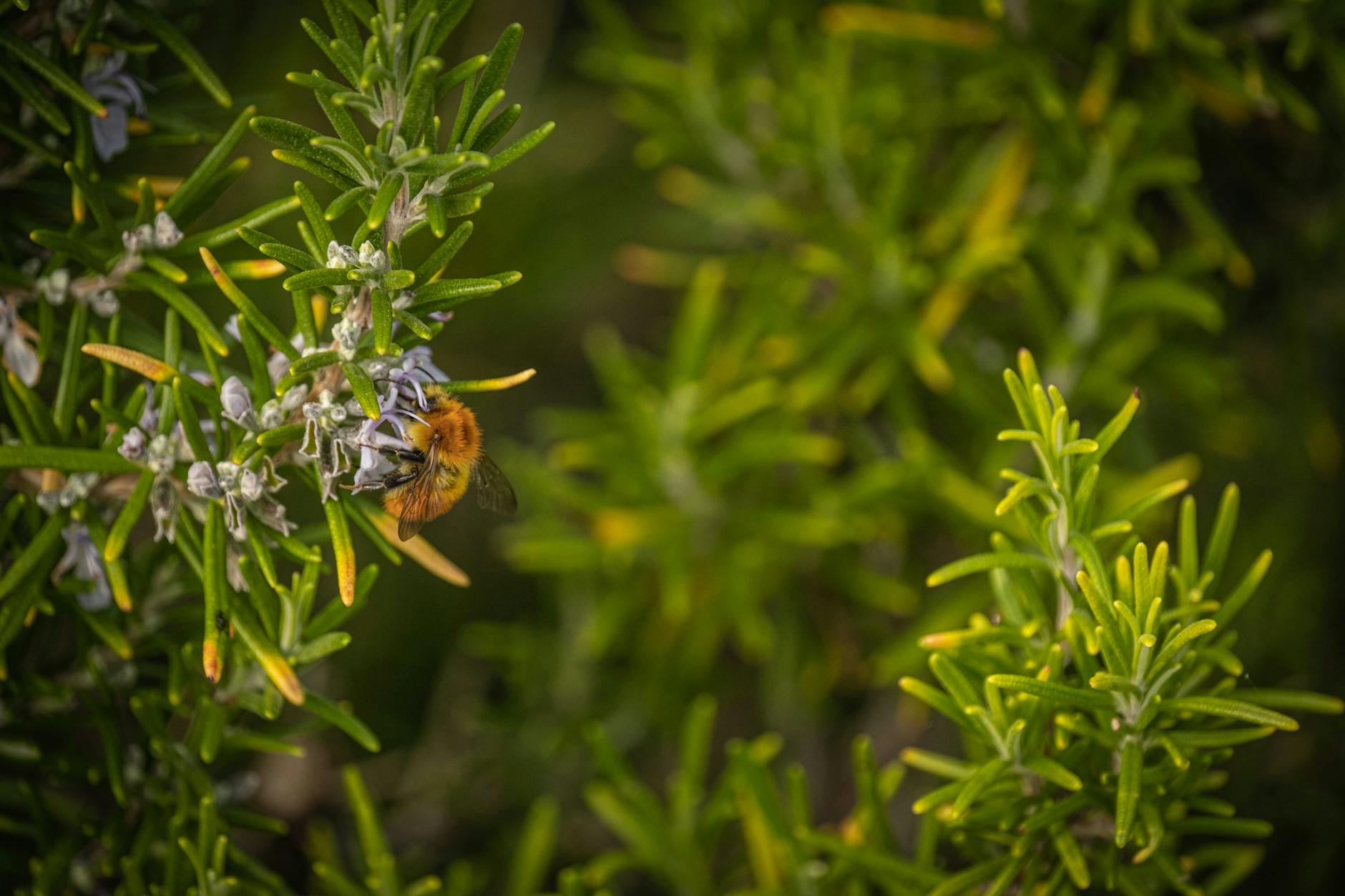
Your rosemary looked absolutely fine last week, didn’t it? Now half of it’s brown, brittle, and pulling away from the centre like it’s just given up. This is classic summer rosemary collapse — and here’s the cruel twist: overwatering during warm spells is the culprit. Full stop. It’s almost never drought. The plant silently signals distress for weeks, usually about three weeks, before you see a thing. By the time you notice, you’re usually already too late — but not always.
Rosemary’s a Mediterranean shrub, you know? It evolved on rocky hillsides with fast-draining, almost nutritionally bankrupt soil and blazing summer heat. But what it absolutely didn’t evolve for is warm temperatures combined with consistently moist roots — which is exactly what a lot of well-meaning gardeners deliver right here in June, often around 5:30 PM, hose in hand.
Here’s the thing most advice skips: rosemary doesn’t show root rot the way other plants do. It doesn’t yellow. It doesn’t wilt dramatically. The leaves stay grey-green and look almost normal while the roots are quietly rotting underneath — wait, that’s not quite right — sometimes they just look a bit dull, not vibrant, but nothing truly alarming. Then one warm week arrives and the plant can’t pull enough water through its damaged root system — and it collapses fast. Overnight, sometimes. Bam.
And the other culprit’s a fungal disease called Phytophthora — you know, the same pathogen that devastated the Irish potato crop in 1845, incidentally — which just loves warm, waterlogged soil and attacks rosemary roots with particular enthusiasm. Heavy clay soils and pots without drainage holes? Those are its favourite dodgy habitats.
So, honestly? It just depends on how far along things are. If only a few branches have gone brown and crunchy at the tips, the plant’s almost certainly salvageable. But if the base of the main stem is soft, dark, or smells slightly musty when you press it — well, that’s root rot right at the crown, and your odds of recovery drop significantly. Like, way down.
The dangerous mistake is doing nothing and just hoping it’s “just a dry patch.” Rosemary doesn’t recover from neglect in the same dramatic, forgiving way that mint does. Seriously. Leave a rotting rosemary alone for another fortnight and you’ll likely lose the whole plant. It’s just not that resilient when it comes to wet feet.
And there’s also a timing problem: rosemary that goes into full summer stress in June rarely has enough growing season left to fully regenerate — especially here in the UK where the warm window’s just short. The RHS notes that rosemary’s most vulnerable to root diseases during warm, wet periods, which is exactly what unpredictable early summers are delivering right now.
Step one: stop watering. I know, that feels all wrong in summer. Do it anyway. Push your finger 5cm (2 inches) into the soil. If it’s even slightly damp, the plant doesn’t need water. Rosemary in the ground, once it’s established, can go 11 days, maybe 12, without watering in most UK and northern US summers. In Australia or during a genuine heatwave, check again — but seriously, always err toward dry.
If it’s in a pot, repot it immediately into fresh, gritty compost — we’re talking two-thirds John Innes No. 2 potting mix, one-third horticultural grit or perlite. Shake off as much of that old soil as you can. Trim any black or mushy roots with clean scissors. Don’t fertilise yet — a stressed plant can’t use nutrients, and those salts’ll just make things worse.
And one thing I’ve found genuinely useful: after hard pruning a struggling rosemary, lay a thin layer of gravel or small pebbles around the base. It just keeps soil moisture from splashing back up onto the lower stems — which is apparently where a lot of fungal entry points happen. Feels like a tiny thing. Isn’t.
For more on getting the most from pot-grown Mediterranean herbs, our guide on growing the 10 best basic herbs covers soil and container specifics in useful detail, if you’re keen to learn more.
If your rosemary pulls through, you’ll want to keep an eye on a few things as summer continues. Rosemary that’s been stressed once is way more susceptible to a second episode — so the recovery period’s when it needs your attention most, even though it might look totally fine again.
Watch for:
Speaking of sage — it shares almost identical care needs and the same summer vulnerabilities, doesn’t it? Our article on how to plant and grow sage? Essential reading.