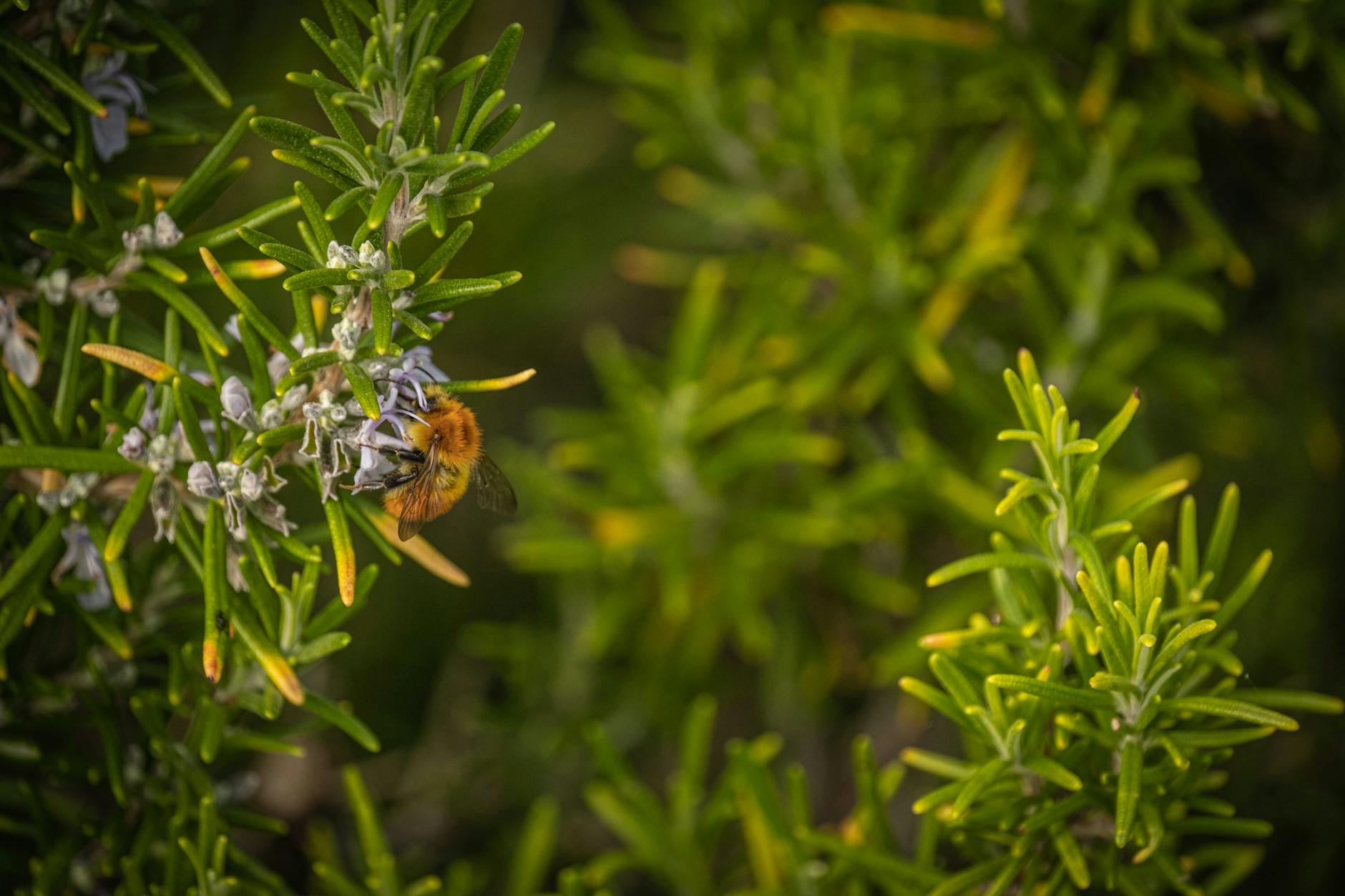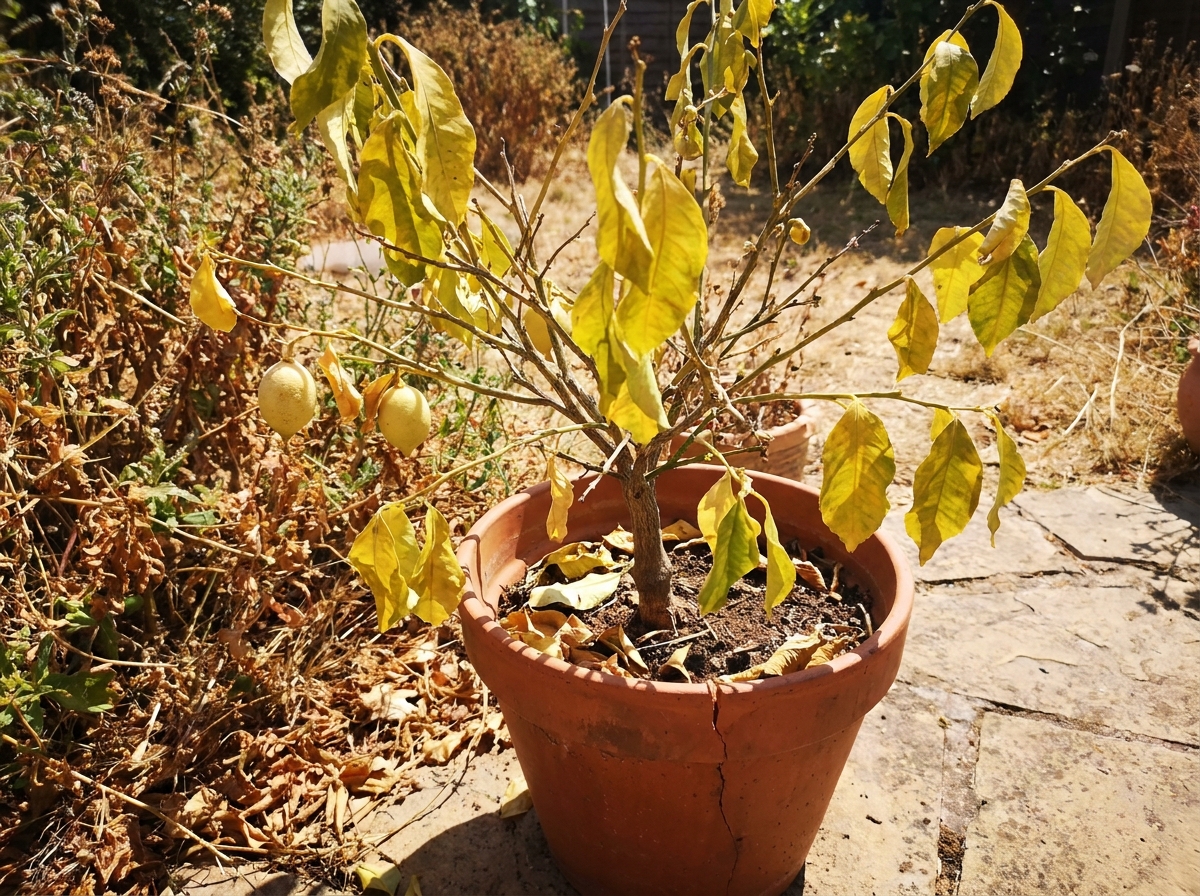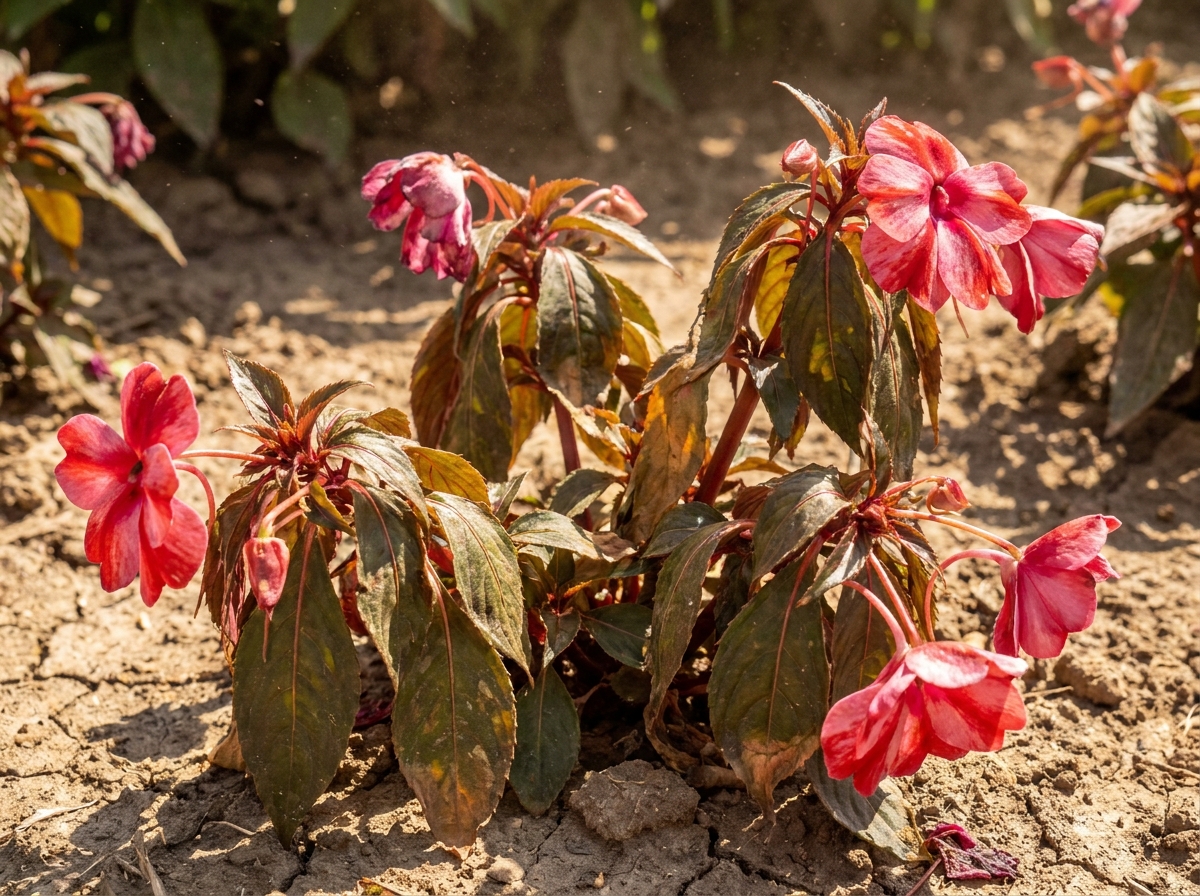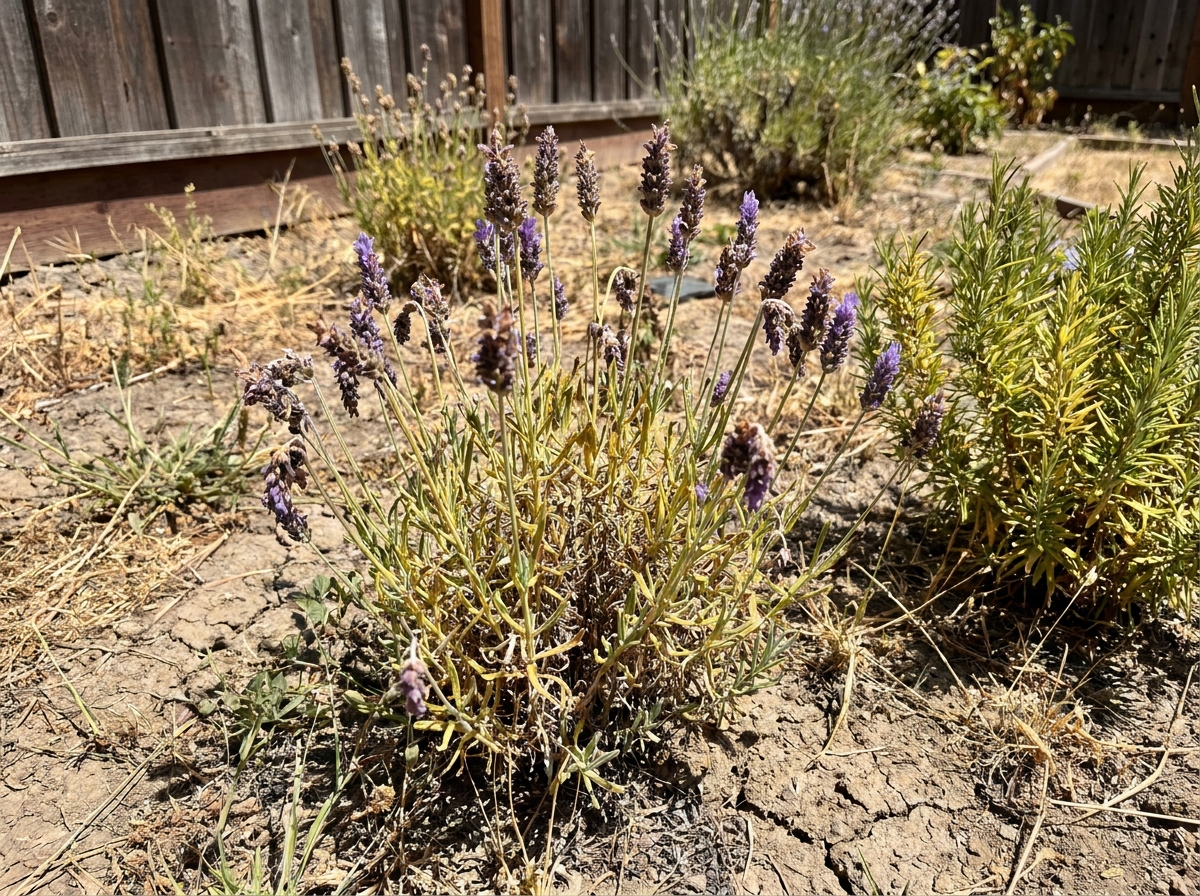
Lavender, rosemary, cistus, olive — these are the plants everyone buys for a low-maintenance summer garden. And then they die. Not slowly. Not dramatically. They just quietly turn grey-brown from the base up, and by the time you notice, the roots have already rotted. The thing is, the cause, almost every time, is water. Too much of it. Here is exactly what is happening and how to halt it before this summer wipes out another plant.
The logic seems backwards. Hot weather, languishing plants — so water more, right? Wrong. Lavender, rosemary, cistus and olive evolved in Mediterranean climates where summers are bone-dry and winters bring the rain. Their roots are built for drought. They are not built for warm, consistently moist soil.
When summer temperatures rise above 25°C and the soil stays damp — from rain, from irrigation, from a well-meaning hosepipe — the roots sit in warm, wet conditions that are ideal for Phytophthora and Pythium root rot fungi. Both propagate rapidly in heat. A plant that looks fine on Monday can be unsalvageable by Friday.
And it is not just watering. Dense clay soil, a pot without drainage holes, a border that gets shade and stays damp — any of these makes root death a dead cert.
The above-ground signs come last, not first. By the time your lavender begins to look woody and grey at the base, or your rosemary smells faintly of decay rather than resin, root damage is already extensive.
You will not save it by pulling off the dead stems. That ship has sailed.
Left unchecked, the rot propagates to neighbouring plants through shared soil. Cistus is especially susceptible; a single overwatered specimen in a dry border can infect the root zone of everything around it within one season.
There is a secondary issue too. Wet roots stress plants, making them magnets for aphids and leafhoppers which sense the weakened cell structure. It becomes a proper nightmare.
First, stop watering. Not reduce — stop.
Established lavender, rosemary and cistus need watering once every fortnight during a genuine heatwave. For olive trees, make it once every three weeks once established.
Young plants planted this season need water once a week. But this is only if there has been no rain at all.
Check your drainage immediately:
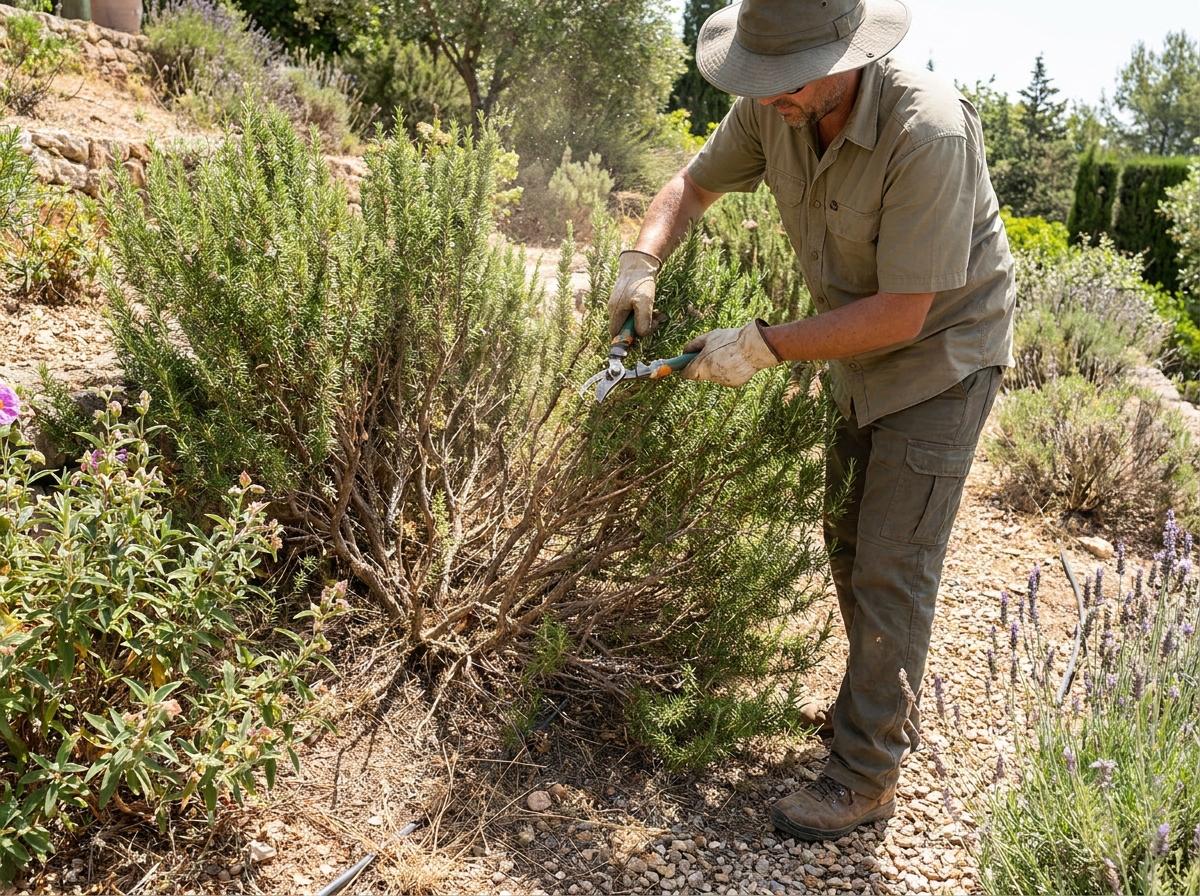
If you catch root rot early — indicated by soft, dark-brown roots with a musty smell — pull off all affected roots with clean secateurs, dust with sulphur powder (widely available, RHS-approved), and replant in fresh gritty compost. And do not water for 10 days. It is a non-negotiable step.
Yes, that last step feels counterintuitive. But do it anyway. The difference between a plant that recovers and one that does not often comes down to those 10 dry days.
Root rot is not the only summer threat. So watch for these issues:
Summer is also the right season to take semi-ripe cuttings from rosemary and cistus. A 10cm cutting taken from a non-flowering shoot, stripped of lower leaves and pushed into gritty compost, roots in about 6 to 8 weeks. Free plants, and it does wonders for your garden by offering an insurance policy against losing the parent.
Smart tip: If your lavender smells musty rather than sharp and aromatic at the base, root rot has already properly taken hold. Act the same day.
Wilting from drought is soft and even across the plant. Root rot wilting starts at the base and moves up, with stems that feel slightly spongy when squeezed. Pull gently at the base — healthy roots resist, rotted roots release with almost no force.
Yes — they have near-identical needs and make natural companions. Both want full sun, sharp drainage, and the same infrequent watering schedule, which makes managing the border much simpler.
If you are getting even 15mm of rain per week, an established olive in the ground needs nothing extra. Container olives are the exception — they dry out faster and need a deep soak every fortnight regardless of rainfall.
Cistus thrives in exactly the conditions found in the Western Cape and southern Australia — hot, dry summers and mild, wetter winters. It is one of the most reliable dry-garden plants available and handles poor, rocky soil better than almost anything else.