Autumn planting on rented ground: what you can grow without breaking your lease
0
Renting needn’t mean a bare garden. Autumn is the ideal season to establish edible and ornamental plants using reversible techniques that keep your tenancy intact. From container perennials to no-dig beds, discover how to grow abundantly without a landlord’s signature or the risk of forfeited deposits.
Why early autumn matters for renters with green ambitions
Autumn soil across the UK and US reaches peak fertility as summer heat breaks and moisture returns. Early autumn temperatures encourage root development whilst air remains warm enough for establishment. For renters, this window is crucial: you have time to build a productive garden before winter dormancy sets in, and every plant you establish now works in your favour come spring.
The renter’s gardening puzzle: growth without permanence
Most tenancy agreements prohibit structural changes, alterations to flowerbeds, or permanent fixtures. The challenge lies in distinguishing between what stays (improving the property for its owner) and what leaves (your portable garden). Many renters assume this means no serious growing. The reality is different. Containers, temporary raised beds, potted perennials, and bulbs operated as a cohesive system deliver remarkable results within lease boundaries.
Research from the UK National Landlord Association suggests fewer than one in four landlords object to container gardening, and most welcome seasonal bulb planting if beds remain undisturbed. The key is reversibility: if you move house, the garden resets to its original state within an afternoon.
Five reversible growing strategies to start this month
Implement these techniques to establish a thriving autumn and winter garden without breaching your agreement.
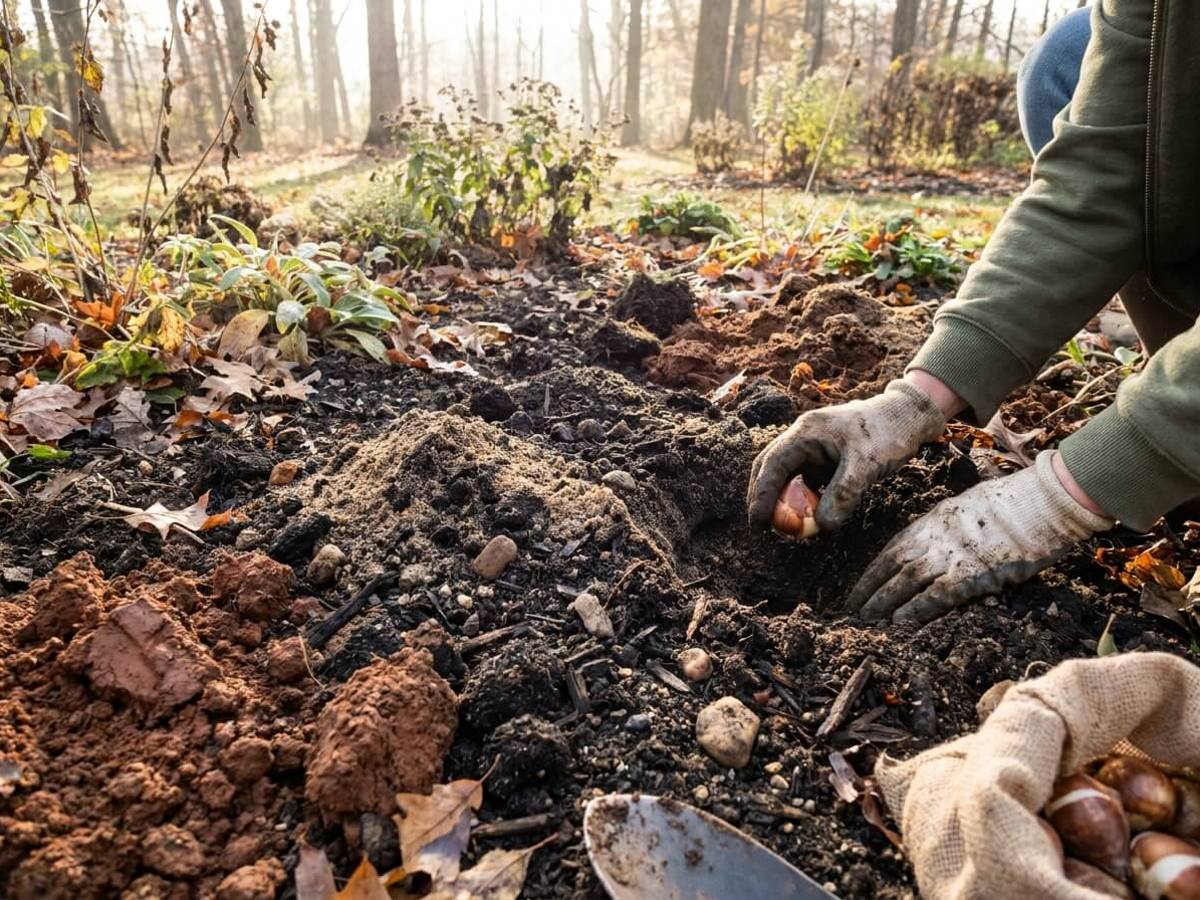
Plant spring bulbs directly into existing borders, disturbing only the top 15 centimetres of soil. Bulbs are considered temporary plants by most landlords and leave no trace once harvested.
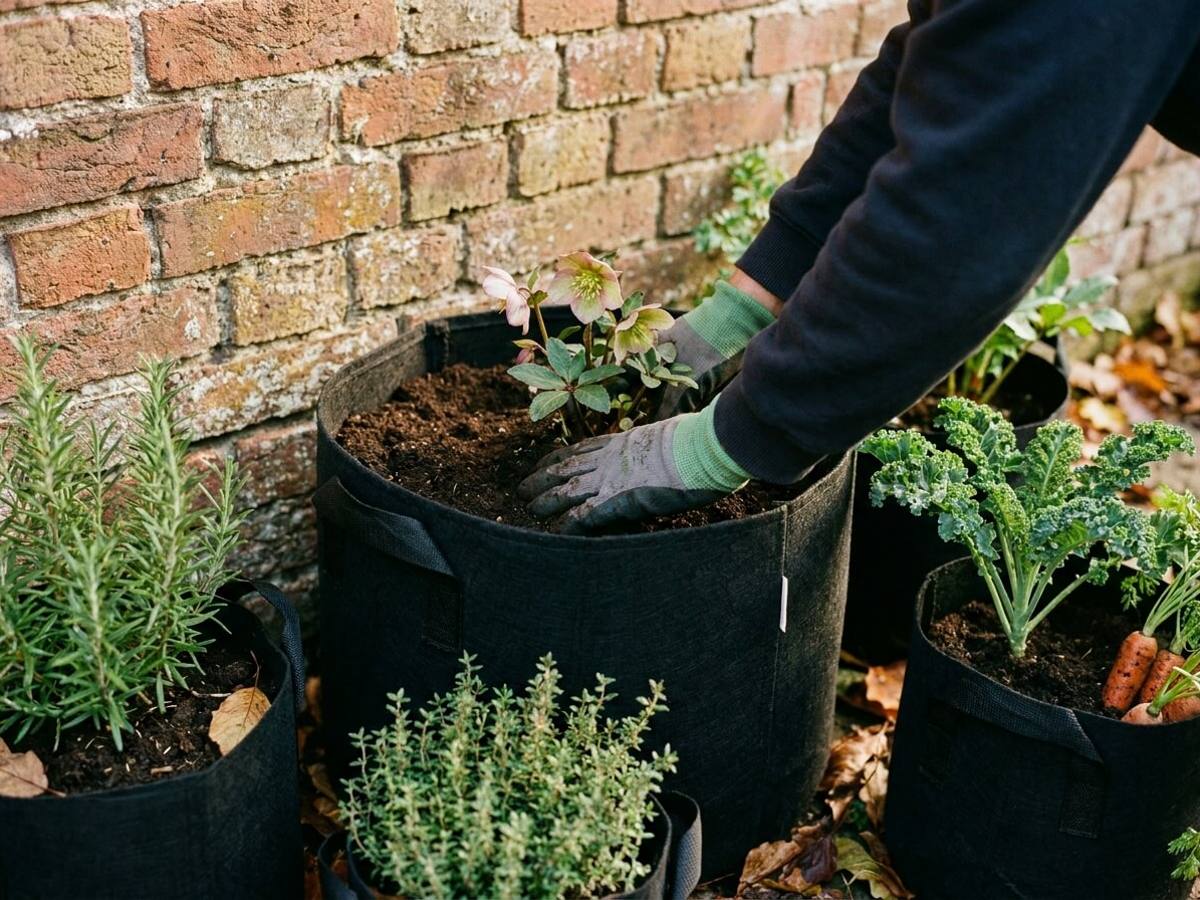
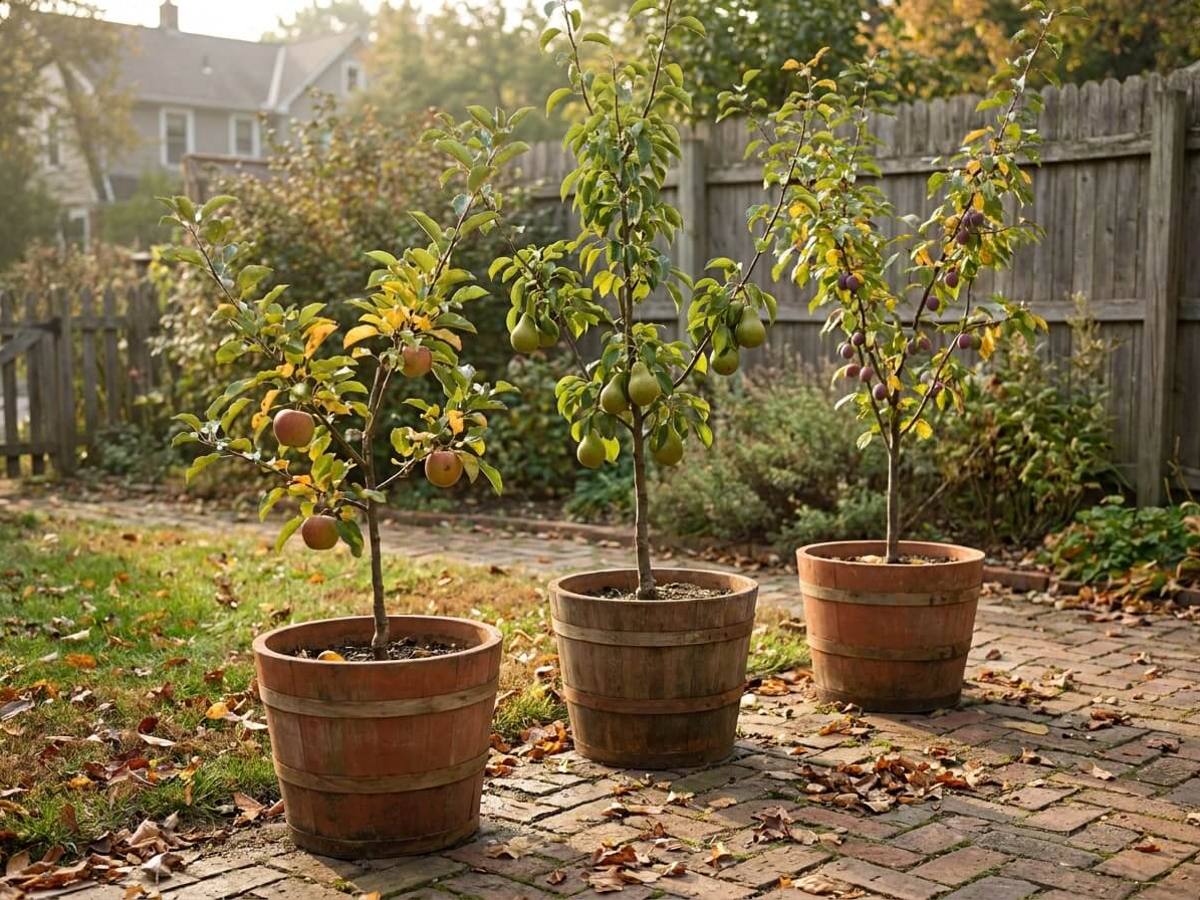
Invest in substantial containers (50-litre pots or larger) for perennial herbs, dwarf fruit trees, and ornamentals. Large pots establish stability and look intentional rather than makeshift.
Build a no-dig raised bed using cardboard, compost, and topsoil stacked directly on grass or paving. When you leave, remove the structure and cardboard decomposes within months.
Sow quick-cropping edibles like spinach, lettuce, and rocket in shallow containers positioned near the kitchen door. These occupy temporary space and deliver harvests before spring.
Monitor progress as temperatures drop
Track how your autumn plantings respond to shortening daylight and falling temperatures below 15 °C. Hardier herbs like thyme and sage will flourish whilst tender bedding declines, teaching you what thrives in your specific microclimate. Document which containers need shelter from harsh wind and which positions catch the most winter light. This knowledge becomes invaluable for next season, whether you stay put or move onwards.
🌿 Nature & Garden Newsletter
Gardening tips, recipes & seasonal advice, twice a week.