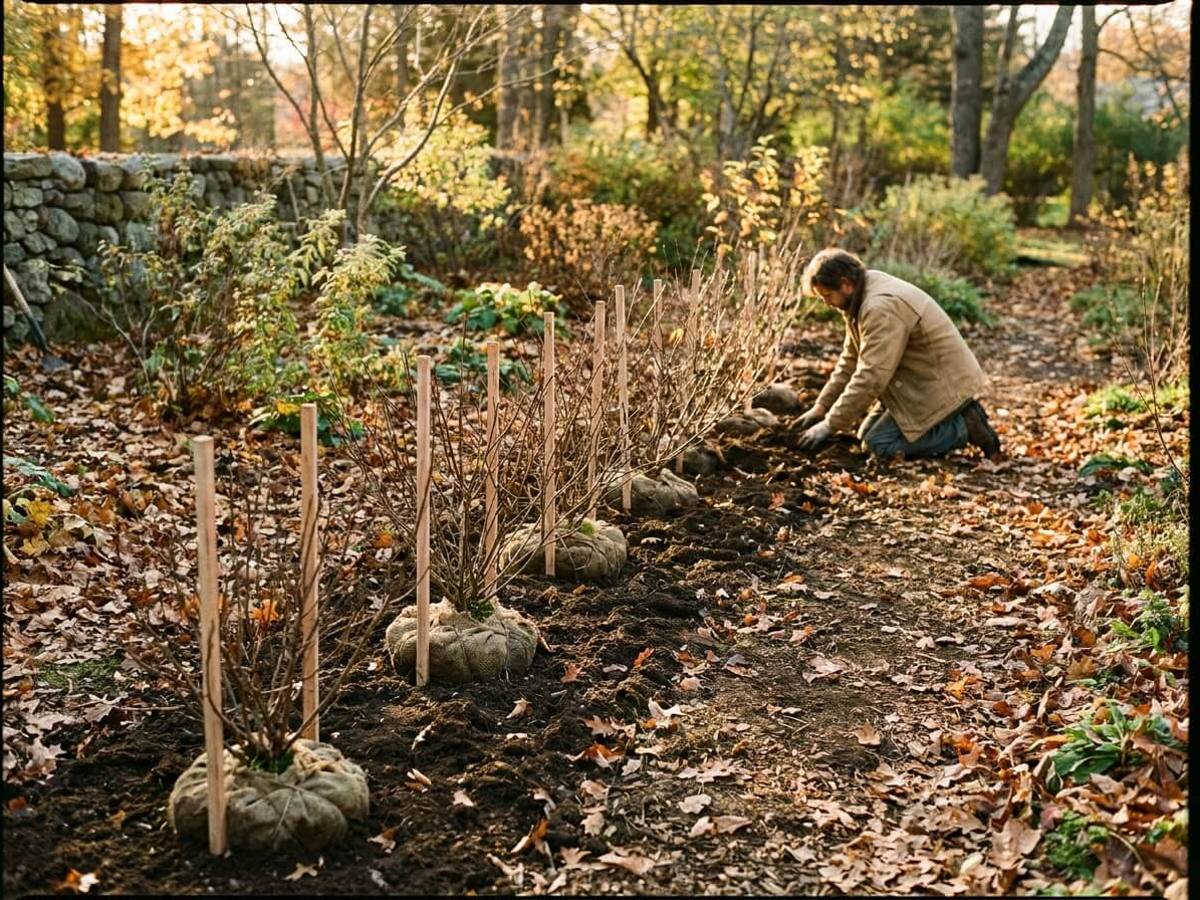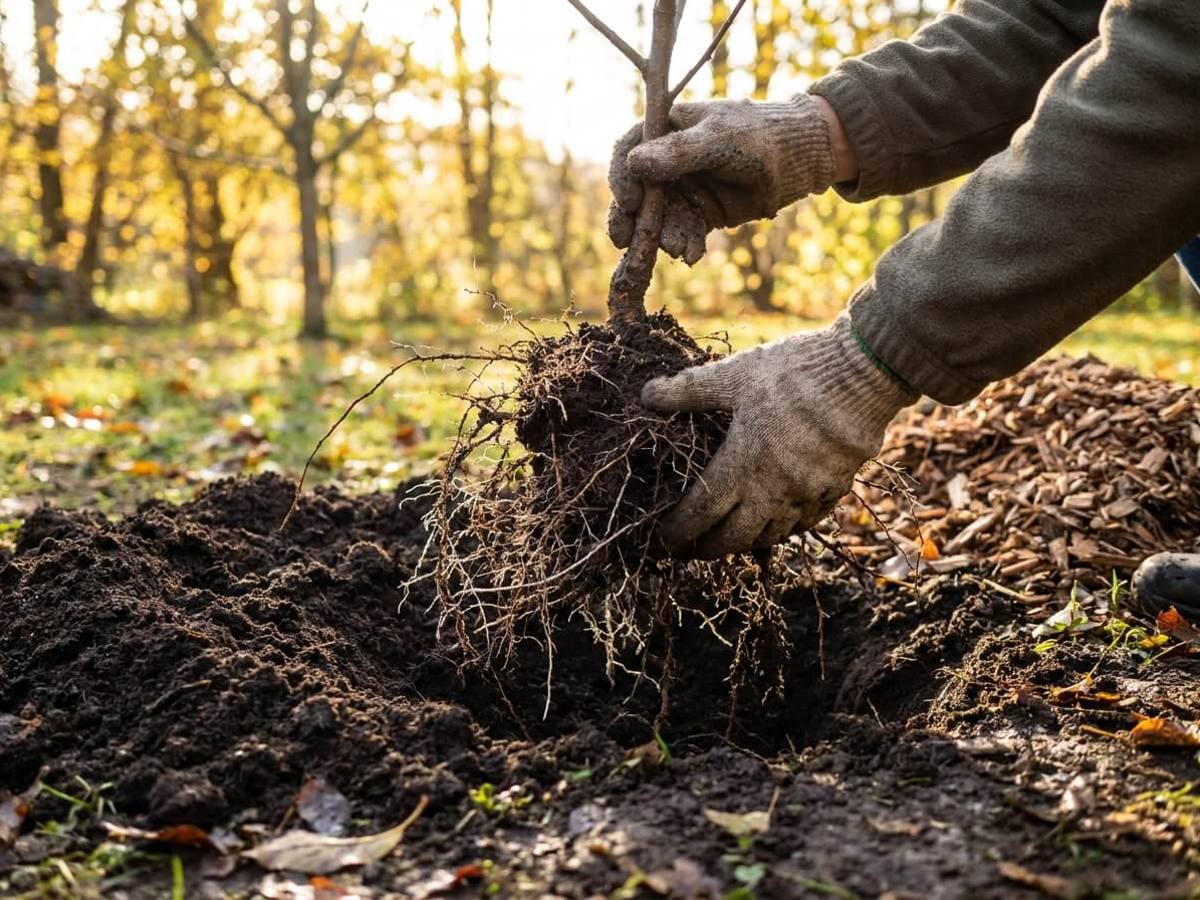
Bare-root plants are staging a quiet revolution in British and American gardens this autumn. Freed from plastic containers, these dormant saplings and shrubs cost up to 40 per cent less than their potted equivalents whilst establishing faster and stronger in soil. As winter approaches and planting season peaks, gardeners are discovering that going back to basics delivers superior results and slashes environmental impact – a shift that’s reshaping how nurseries stock shelves.
Autumn is bare-root season. As temperatures drop and daylight shortens, deciduous trees and shrubs enter dormancy, making them ideal candidates for shipment without compost and container. From October onwards, nurseries across the UK and US dispatch millions of bare-root specimens, their roots wrapped in damp hessian or peat rather than sealed in plastic. This window closes as hard frosts arrive, making the next eight weeks critical for gardeners planning winter plantings.
The timing matters because soil remains warm enough for root establishment whilst air temperatures are cool enough to prevent leaf growth, concentrating energy underground where it counts most.
Container-grown stock dominates garden centres year-round, but that convenience carries hidden costs. Potted plants spend months circling their own roots, often arriving at gardens already root-bound. Their establishment period stretches longer, and the plastic waste is substantial. A single garden centre may shift 10,000 plastic pots monthly, few of which are recycled effectively.
Bare-root plants sidestep these problems entirely. Without container constraints, roots develop naturally and radiate outward freely once planted. Gardeners report faster canopy development, stronger wind resistance, and more vigorous growth within the first two years compared to container equivalents. Cost savings are equally compelling. A bare-root hawthorn might cost £8 versus £18 for an identical potted specimen, and roses, fruit trees, and hedging show similar price advantages.
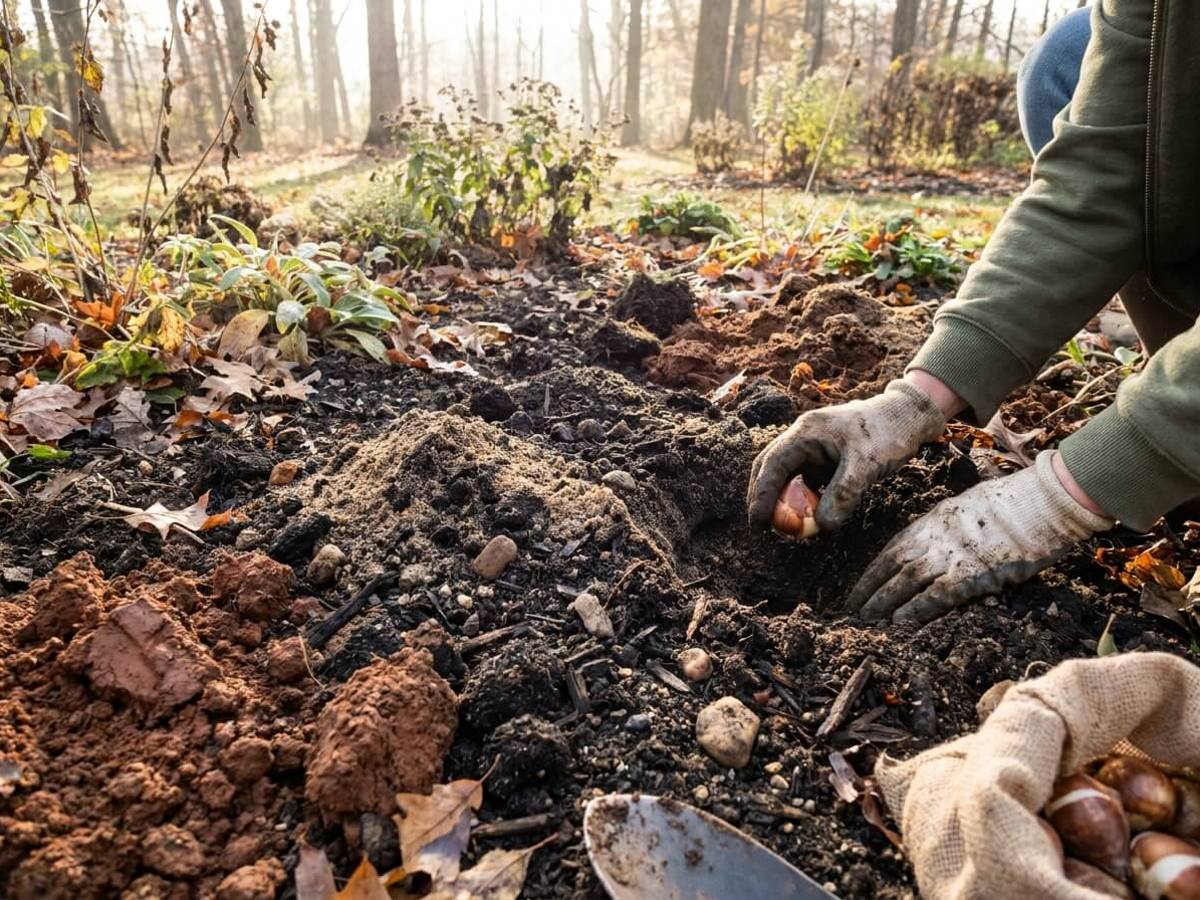
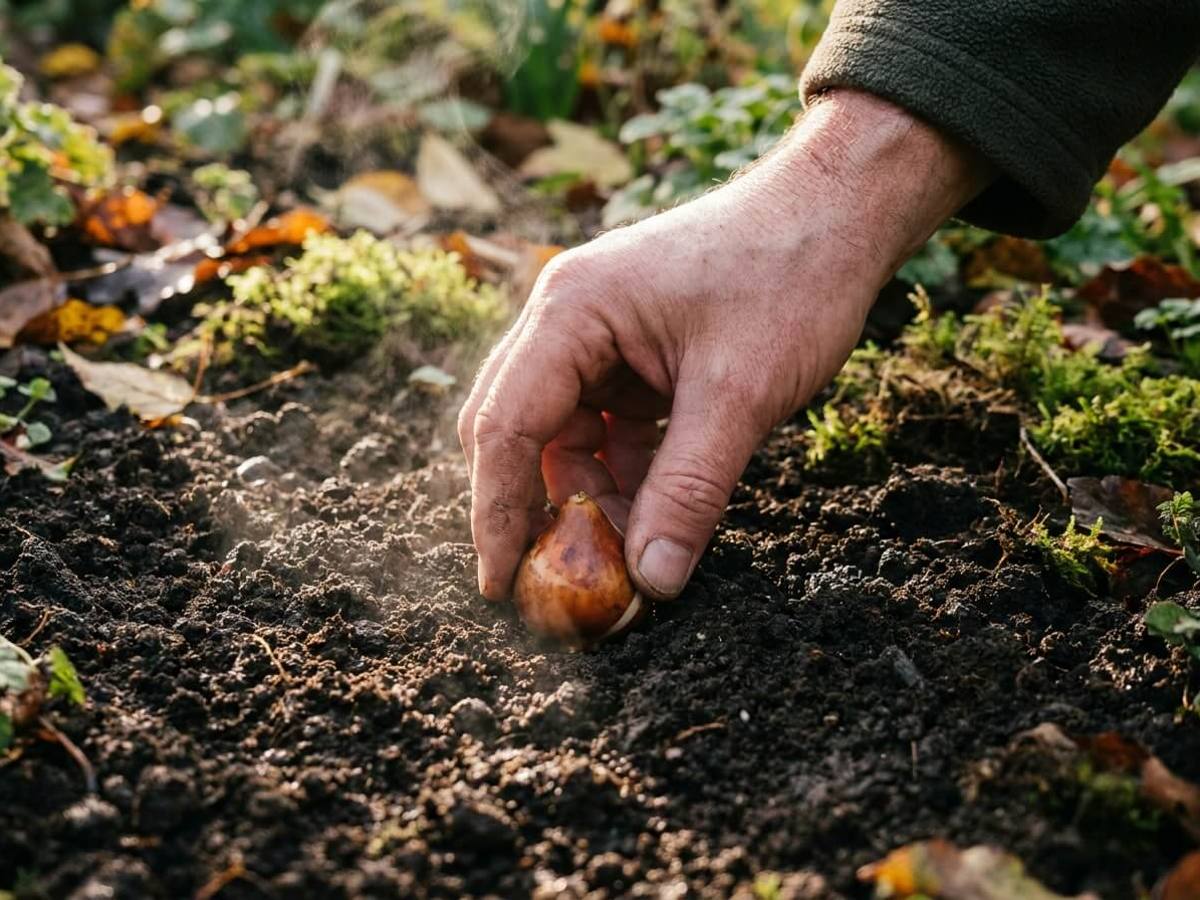
Successful bare-root planting relies on timing, preparation, and technique:
Watch newly planted bare-root specimens for signs of stress during hard frosts and check soil moisture levels regularly, particularly in drier regions or sandy soils. Mulching becomes essential once ground temperatures fall below 5°C. Spring will reveal the true success of your autumn planting, with vigorous bud break and strong new growth confirming that your bare-root investment has paid dividends. By choosing this method, you’re joining a movement that favours resilience, economy, and environmental sense in equal measure.