Spring Bulb Blindness: Why Your Tulips Won’t Flower Next Year
0
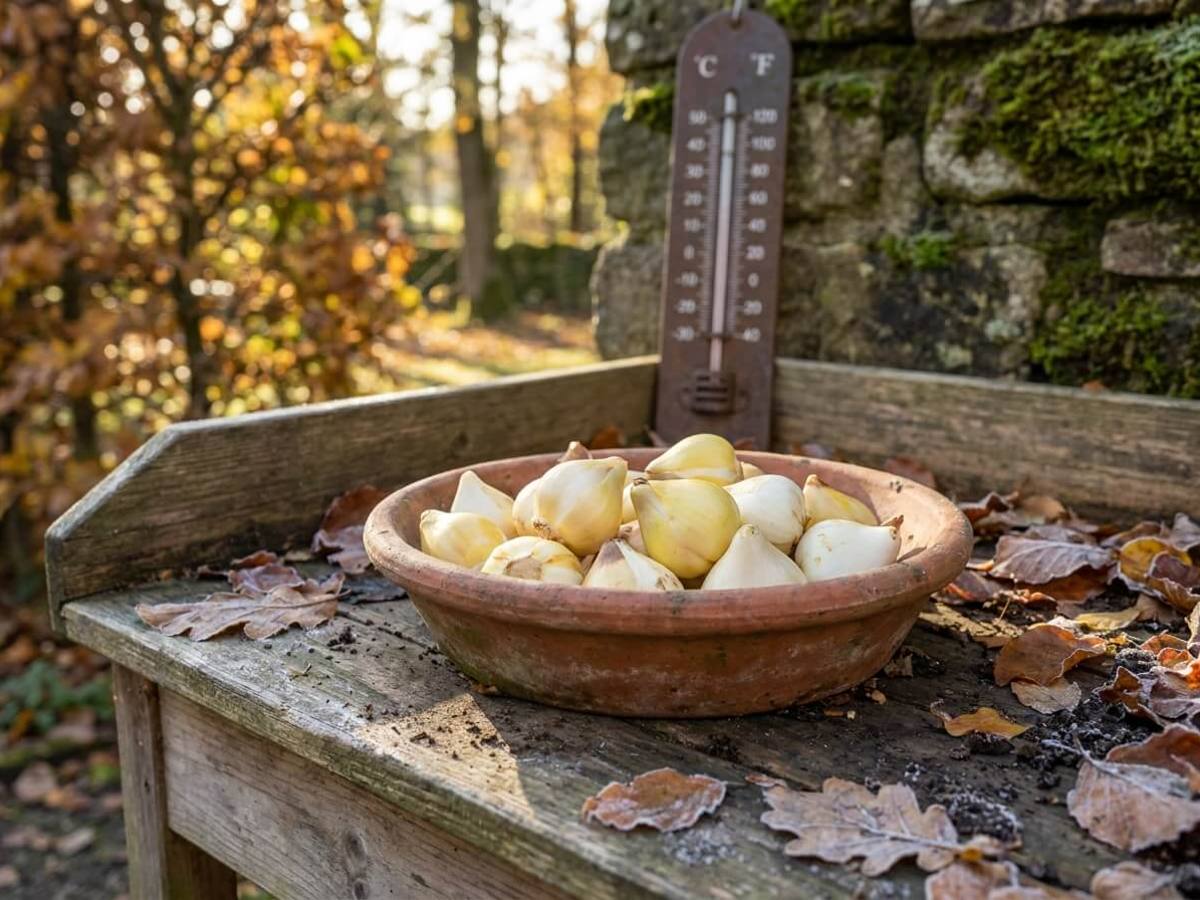
Autumn planting season is here, and millions of gardeners are tucking tulips, crocuses, and daffodils into the soil with high hopes. But without a sustained cold period beneath the frost line, those bulbs won’t flower come spring. October is the moment to understand chilling requirements and act if your climate won’t deliver naturally – before you waste money and effort on dormant bulbs that will simply sit and rot.
Why bulbs need winter cold to wake up in spring
Across the UK and northern United States, autumn marks the beginning of the spring bulb planting window. Gardeners dig holes, amend soil, and press tulips and daffodils into the earth, trusting that March and April will bring a spectacular show. What many don’t realise is that these bulbs carry an internal timer, one that depends entirely on cold.
Spring bulbs require a period of sustained low temperature, typically 12 to 16 weeks below 15 °C, to complete their dormancy cycle. Without this vernalisation period, the biochemical processes that trigger flower formation simply don’t activate. The bulb remains inert, confused by warmer conditions, and eventually rots away underground without ever flowering.
The chilling challenge in warmer regions and mild winters
Gardeners in southern UK regions, the American South, and zones 7 and warmer face a particular puzzle. Winters may not deliver the consistent, deep cold that spring bulbs demand. Unseasonably warm spells interrupt dormancy. Soil temperatures fluctuate above the critical threshold. The result: bulbs that never flower, or flower sporadically and weakly before disappearing entirely.
Even in traditionally cold areas, shifting climate patterns mean that sustained chilling can no longer be taken for granted. A mild winter here and there can derail years of careful planting. Understanding whether your garden receives adequate winter chill is the first step to success.
How to diagnose and solve the chilling problem this October
Take these steps before you plant:
Check your hardiness zone and typical winter temperatures, then research the specific chilling hours your region typically experiences. Contact your local cooperative extension service for historical data on soil temperature patterns.
Choose bulb varieties suited to your climate. If you garden in zones 8 or warmer, seek out “pre-chilled” bulbs or bulbs bred for warmer regions, such as paperwhites and certain tulip cultivars bred for mild climates.
For gardeners in borderline areas, consider artificial chilling: plant bulbs in pots in autumn, refrigerate them at 4 °C for 12 to 16 weeks in a garage or spare fridge, then bring them indoors or plant them out in late winter for delayed spring flowering.
Mulch planted beds heavily after the first hard frost to maintain consistent soil temperature and prevent premature sprouting during warm spells.
Plan now, observe through winter and into spring
October is your planning window. Track soil temperature through winter using a simple soil thermometer or digital probe. Note which bulbs emerge, when they flower, and which fail to perform. This data will guide your choices for next year’s planting, helping you fine-tune varieties and techniques to match your garden’s unique microclimate and seasonal rhythms.
🌿 Nature & Garden Newsletter
Gardening tips, recipes & seasonal advice, twice a week.