Home » Gardening » News » Building autumn compost from kitchen scraps: a zero-waste renter’s guide
Building autumn compost from kitchen scraps: a zero-waste renter’s guide
0
October is peak season for building compost without bins, permission, or expense. As autumn leaves fall and kitchens overflow with vegetable peelings, renters and flat-dwellers have a genuine window to start decomposing waste using only found materials and scraps. Here’s how to begin composting this month, landlord-friendly and zero-cost.
Why October composting matters for renters
Across the UK and US, October brings a surge of kitchen waste: apple cores, squash seeds, onion skins, and coffee grounds pile up faster than bins can handle. Gardens begin their dormant phase, but compost systems thrive in cooling autumn temperatures, which slow decomposition just enough to prevent odour problems whilst still breaking down material steadily. For renters without garden access or landlord consent, this is the ideal moment to start quietly, before winter locks the ground solid.
The renter’s composting barrier, and how to overcome it
Traditional compost bins require permanent installation, cost between £40 and £200, and often need landlord approval. Most renters assume composting is off-limits. In reality, temporary, portable systems leave no trace and use only materials you already have: cardboard boxes, old plastic buckets, newspaper, and kitchen scraps. The UK alone sends 930 million tonnes of food waste to landfill annually, yet most of it could decompose in a corner of a shared garden, balcony, or even under a sink.
Building a zero-waste system requires no digging, no permanent structures, and no complicated biology. You simply need a container, brown matter (leaves, shredded paper), green matter (kitchen waste), and patience. October’s leaf fall provides abundant free brown material, making this the easiest month to start.
Four simple steps to build your autumn compost this October
Begin your renter-friendly compost system with these practical actions:
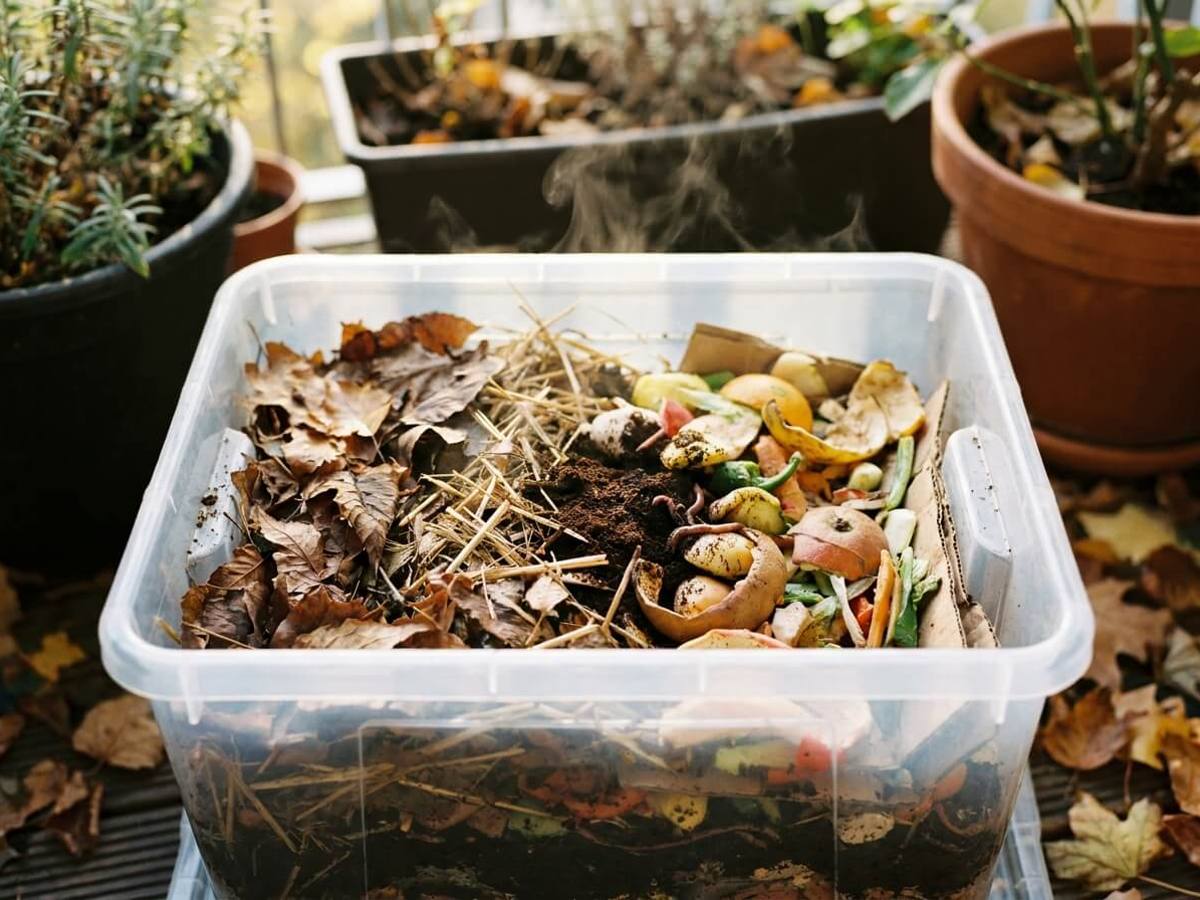
Source a lidded container: a plastic storage box, old filing cabinet, or stacked cardboard boxes work equally well. Drill or punch small holes near the bottom for drainage.
Layer your first batch with October leaves collected from pavements, parks, or gardens, shredded newspaper, and cardboard torn into strips. Aim for roughly three parts brown to one part green.
Add kitchen scraps daily: vegetable peelings, coffee grounds, crushed eggshells, and fruit offcuts. Never add meat, dairy, or oils, which attract pests and create odour.
Bury each layer of kitchen waste beneath fresh brown matter. This simple sandwich method prevents smell and flies without any equipment beyond your hands.
What to monitor as autumn deepens
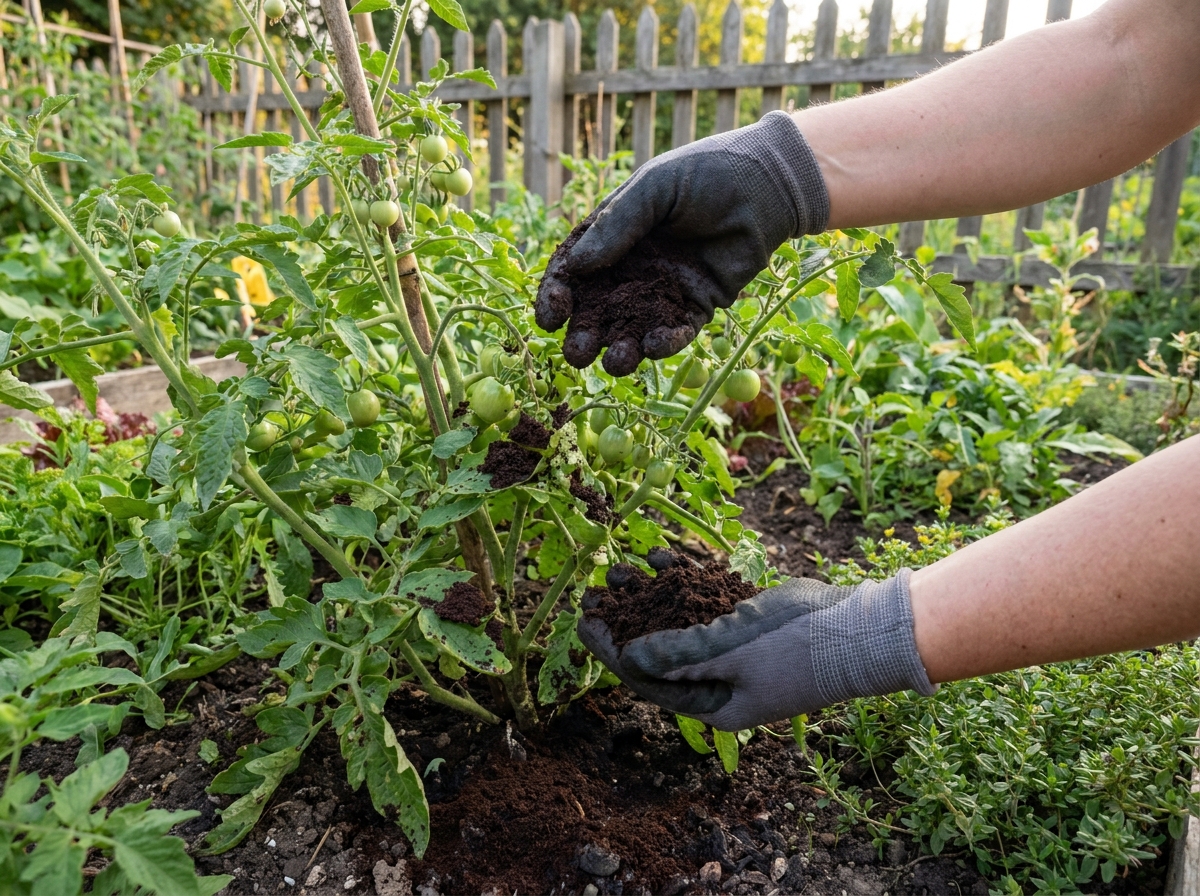
Over the following weeks, watch for settling and heat generation within your container, a sign decomposition is underway. The pile may warm noticeably on mild days, then cool as temperatures drop. By late autumn and early winter, aim to have your system full and undisturbed, allowing the contents to break down slowly during the cold months. Come spring, you will have dark, crumbly finished compost ready for planters, windowsills, or the shared garden’s borders.
🌿 Nature & Garden Newsletter
Gardening tips, recipes & seasonal advice, twice a week.