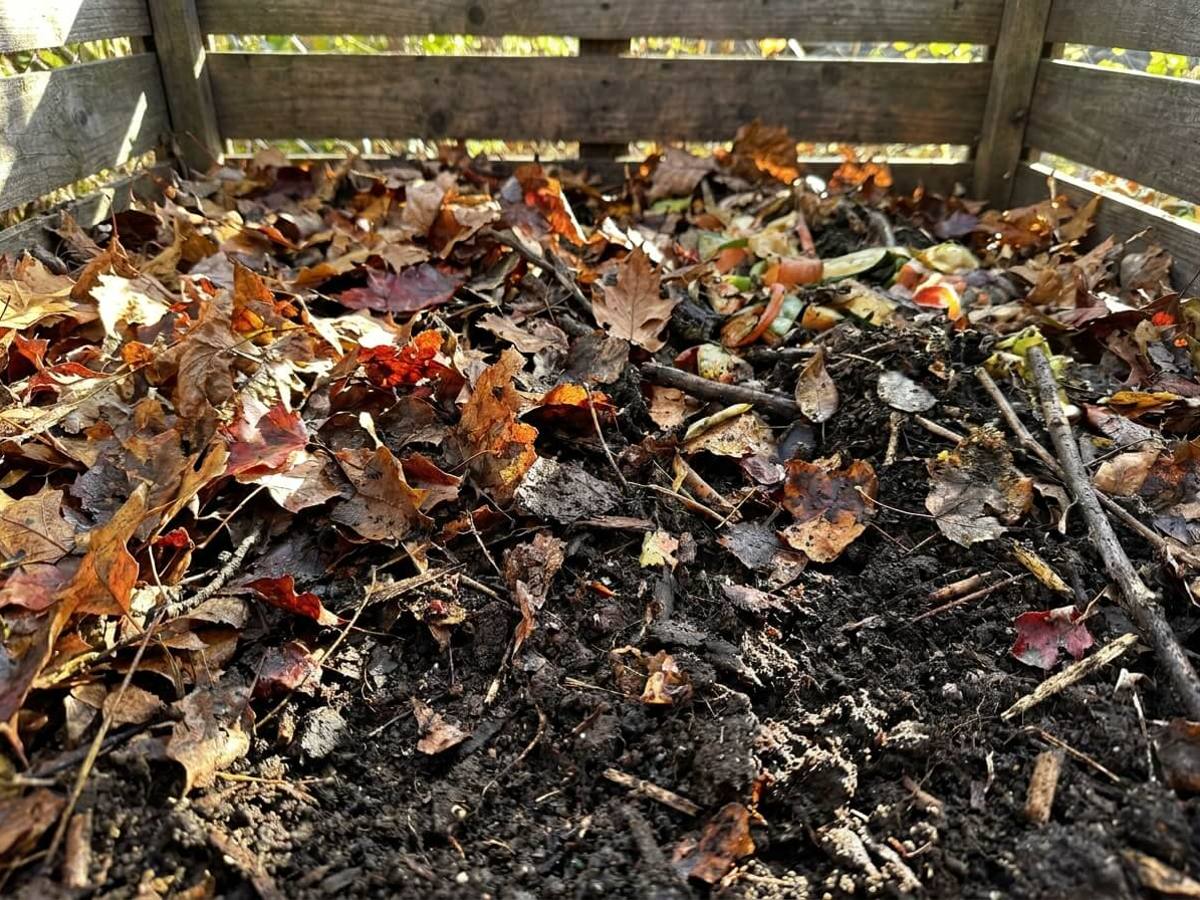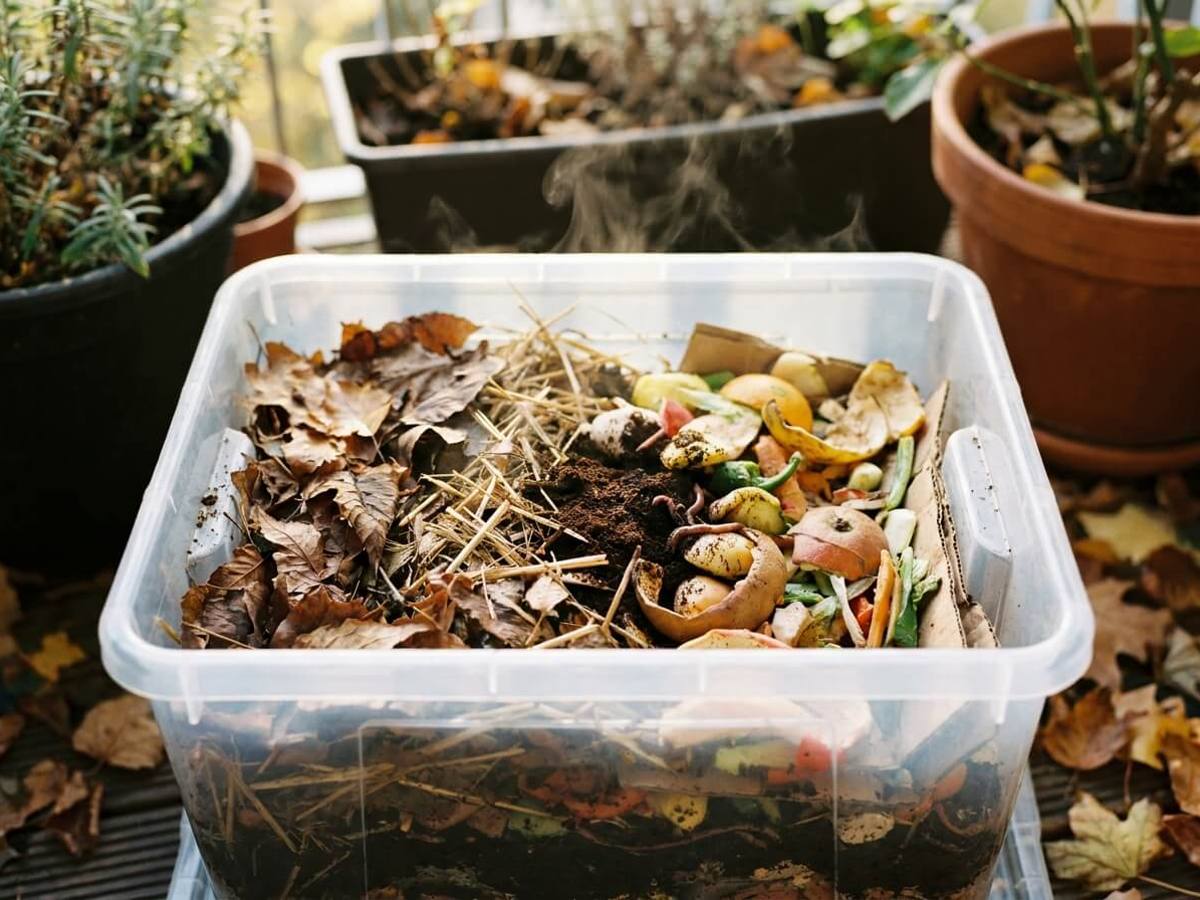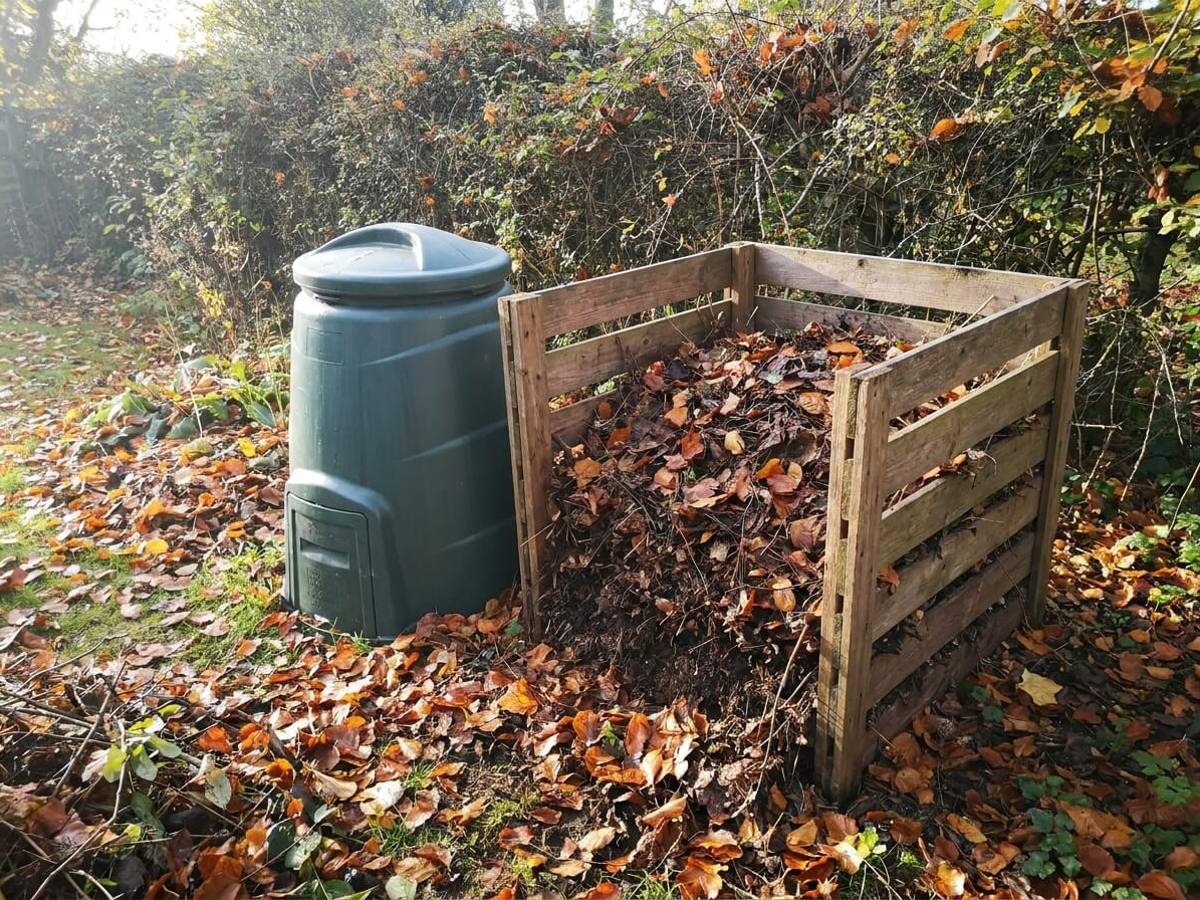
Autumn leaves are falling, and gardeners face a choice: speed or simplicity. We tested traditional compost bins against leaf mould boxes over eight weeks to discover which method delivers usable garden gold fastest. The results surprised even seasoned composters, and one approach emerged as the clear winner for impatient gardeners.
October brings peak leaf fall across the UK and US, and gardeners must decide how to handle the deluge. Those leaves represent raw material for spring soil improvement, but time is ticking. By late autumn, garden beds are clearing, temperatures are dropping, and the window for starting new compost closes rapidly.
Compost bins are enclosed systems designed to break down mixed organic matter – grass clippings, kitchen scraps, woody stems – using heat and bacterial activity. Leaf mould boxes, by contrast, are open-sided structures built specifically for leaves alone. The distinction matters because leaf mould prioritises slower, cooler decomposition of a single material, whilst traditional composting accelerates breakdown through layering and density.
We tested identical volumes of autumn leaves and garden waste in both systems. The compost bin received layered brown and green materials (shredded leaves mixed with grass clippings). The leaf mould box held leaves only, lightly compacted. Temperature, moisture, and decomposition stage were monitored weekly for eight weeks.
October is the ideal month to establish both methods and let them work through winter. Follow these steps for maximum spring readiness.
Over the next twelve weeks, check moisture levels after heavy rain and watch for settlement as materials compress naturally. The compost bin will heat internally if conditions are right, whilst the leaf mould box will remain cool and dark. Both methods work, but they reach different end points on different timescales. Spring will reveal which approach fits your garden rhythm.