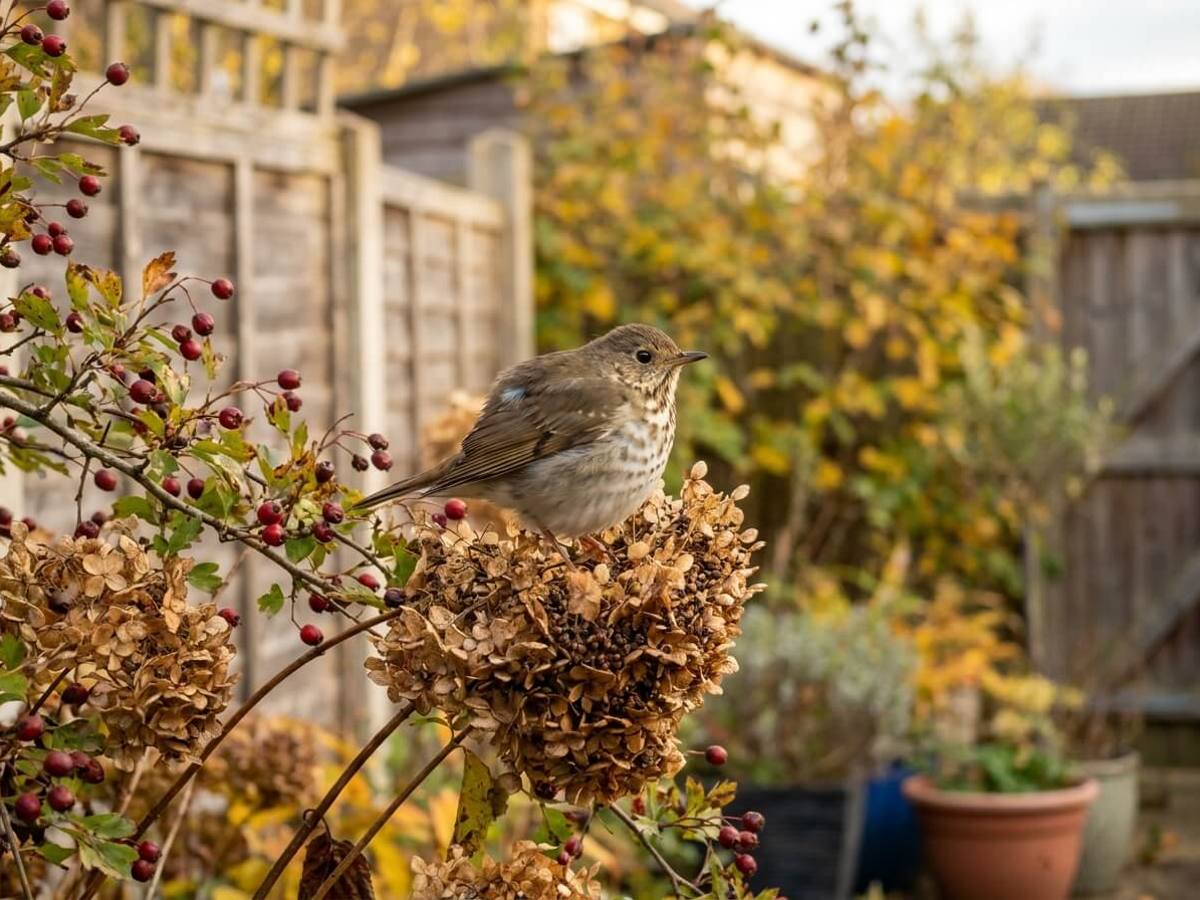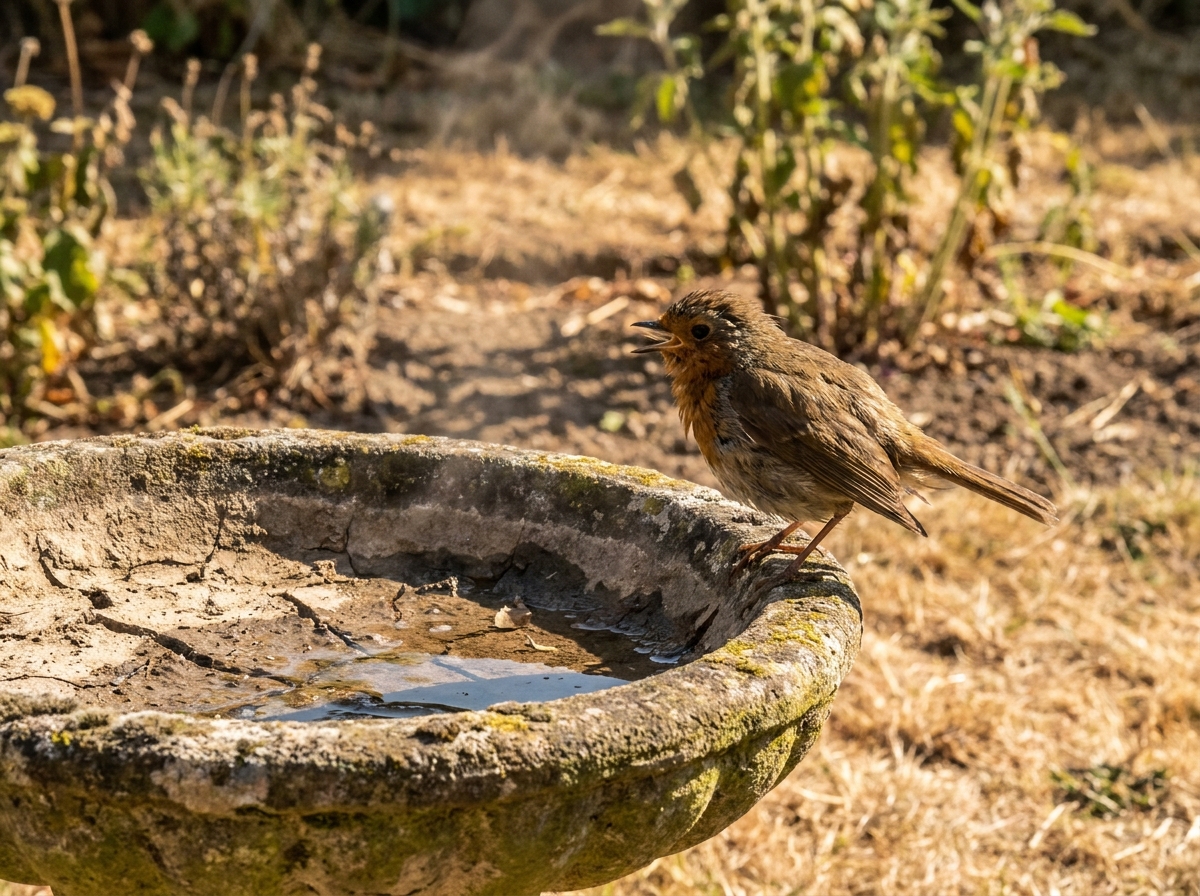
Right now, September’s migrating warblers and thrushes are performing an unwitting audit of your garden. As they pause during their southbound journey to refuel, they’re stripping seeds and insects from your borders at remarkable speed, revealing exactly which plants genuinely sustain wildlife and which are merely ornamental. Watch your autumn beds closely this month, and you’ll learn what truly works.
Across the UK and US, late summer sees waves of migratory songbirds moving southward, their energy reserves depleted after breeding season. These birds have weeks of non-stop flight ahead, making September’s autumn borders crucial refuelling stations. Within days of arrival, you’ll notice dramatic changes: seed heads flattened, berry clusters halved, and insect populations visibly reduced around your planting beds.
Most gardeners plant with autumn aesthetics in mind, choosing ornamental grasses and shrubs for their visual appeal rather than nutritional value. Yet migrating thrushes care nothing for a plant’s silhouette or colour; they hunt ruthlessly for high-calorie seeds and invertebrates. A single warbler can consume 35 percent of its body weight daily during migration, meaning gardens packed with nutritious native plants become magnets whilst barren borders go ignored.
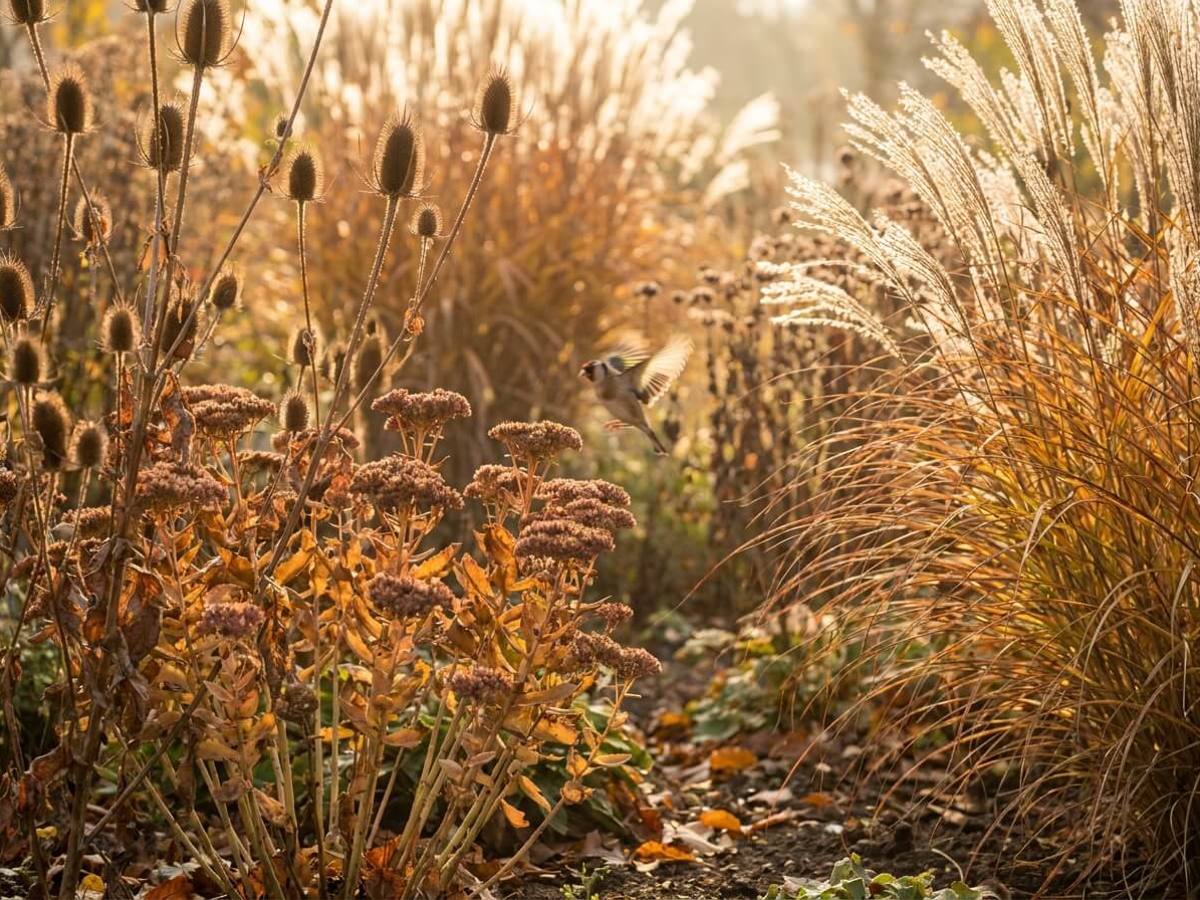
The species you plant determines visitor patterns dramatically. Gardens rich in rowan, hawthorn, and native berry-bearing shrubs attract concentrated feeding flocks. Conversely, trendy ornamental grasses with minimal seed-set or non-native shrubs offering poor insect populations remain eerily quiet. This September watching period shows you exactly where your planting strategy aligns with wildlife needs and where it falls short.
The birds pausing in your beds sort your planting into two groups: plants that hold real food, and plants that simply look the part. This is how the species named above compare when a hungry migrant is doing the choosing.
| Plant | Food on offer | Feeding activity | What to do now |
|---|---|---|---|
| Rowan | Berries | Draws concentrated feeding flocks | Keep every fruiting branch from early autumn into winter |
| Hawthorn | Berries | Draws concentrated feeding flocks | Protect from heavy-handed pruning |
| Dogwood and serviceberry | Berries | Feeds migrants and later winter visitors | Retain all fruiting branches through autumn and into winter |
| Coneflowers and sunflowers | Ripe seed heads | Seed heads flattened within days | Stop deadheading and leave them standing, untidy or not |
| Teasels, thistles and asters | High-calorie seed | Genuinely attract feeding birds | Prioritise seed production over tidiness |
| Trendy ornamental grasses and non-native shrubs | Minimal seed-set, poor insect populations | Remain eerily quiet | Deadhead the purely decorative ones and rethink next year |
Read the table alongside your own borders: the quiet plants are telling you as much as the busy ones.
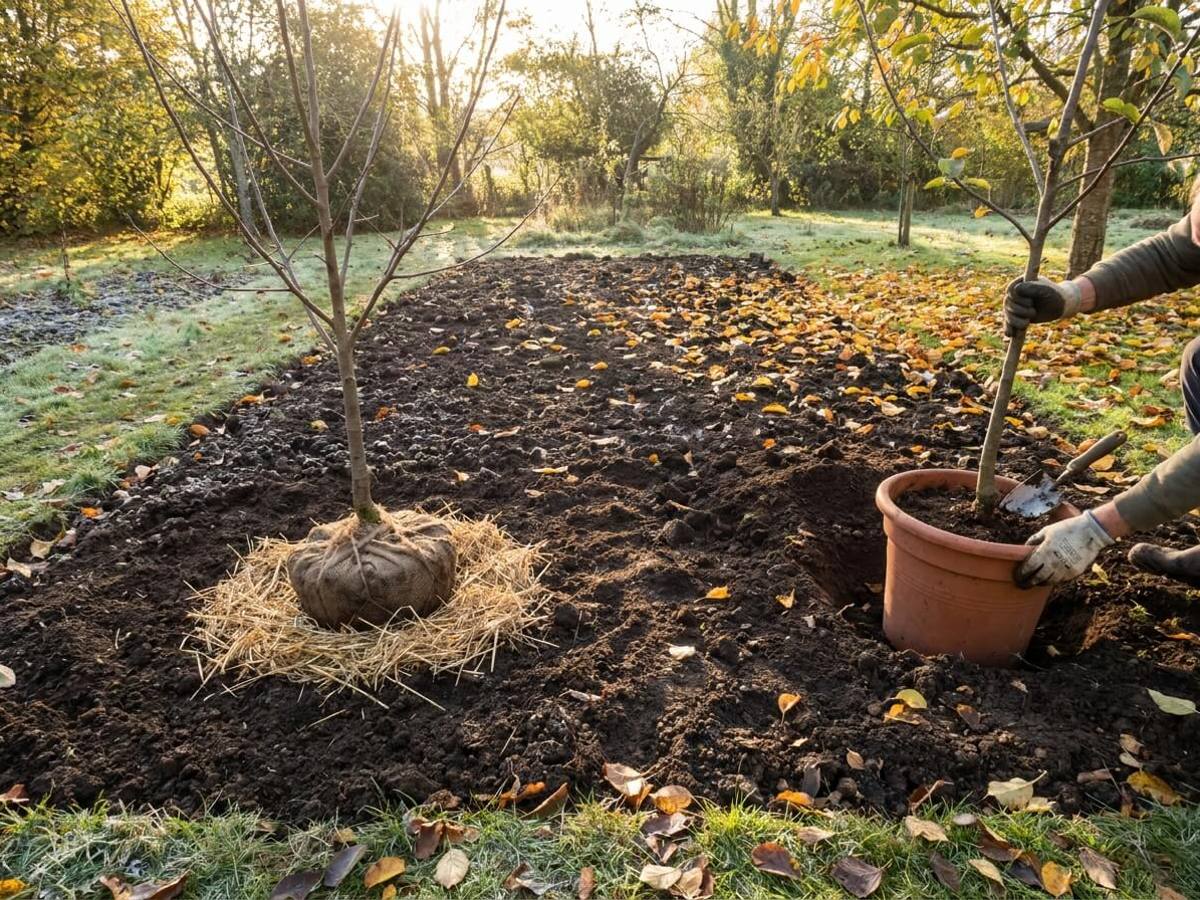
Begin these actions early in the month to maximise impact during peak migration windows:
Early September observations forecast your garden’s autumn and winter appeal. Borders that attract sustained feeding activity now will continue supporting residents and winter visitors through the colder months. Keep a simple log: note which plants receive the most attention, which remain untouched, and how quickly seed heads disappear. This baseline data becomes invaluable for next year’s planting plan, allowing you to shift your design strategy towards genuine wildlife value without sacrificing visual interest.