Home » Gardening » News » Why Wasps Are Suddenly Everywhere in Your Garden This Summer
Why Wasps Are Suddenly Everywhere in Your Garden This Summer
0
Mid-summer wasp invasions aren’t a coincidence, they’re a seasonal shift. As colonies mature and protein demands peak, wasps abandon their underground nests to hunt insects and raid your garden. Understanding this behaviour is key to coexisting peacefully rather than waging a losing battle against them.
Why July is peak wasp season in your garden
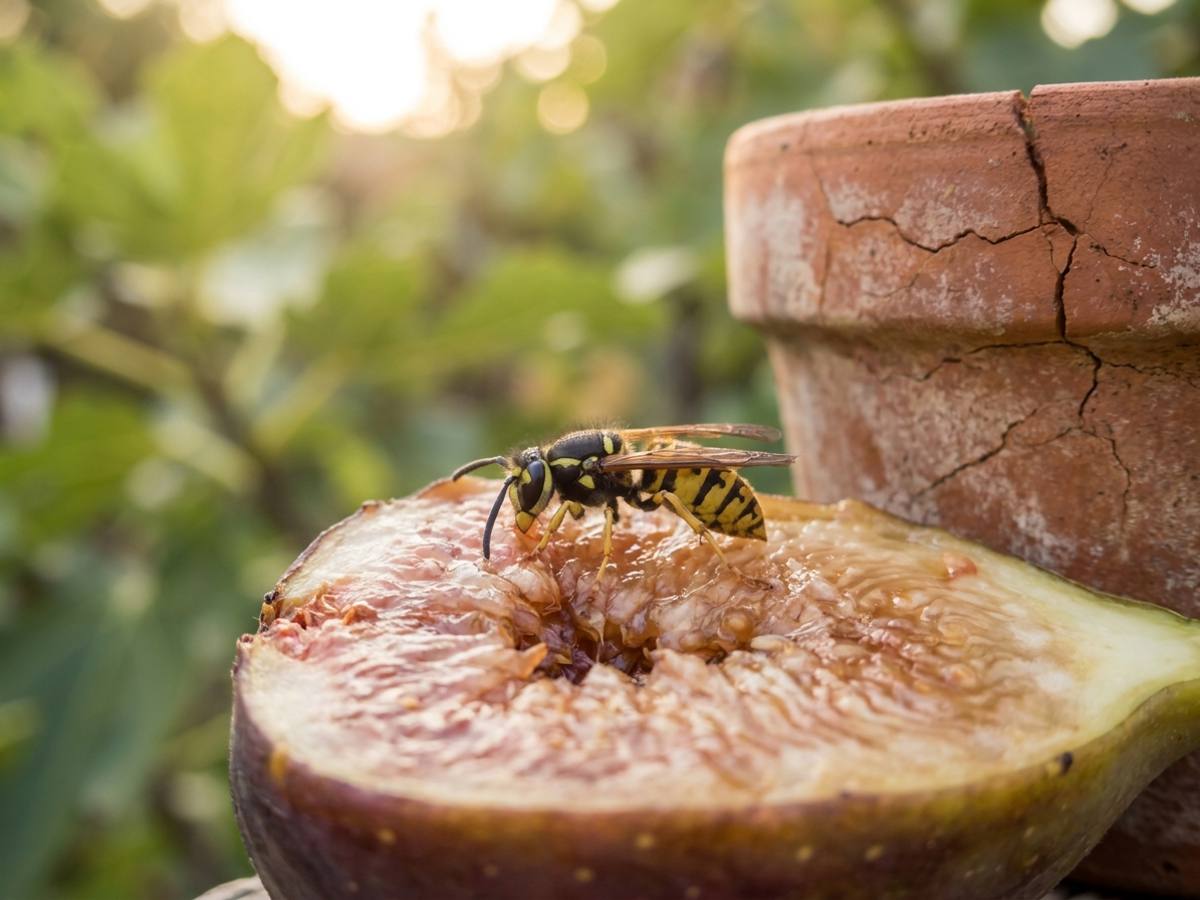
By mid-summer, wasp colonies have exploded in size, with some nests housing up to 5,000 workers. The queen stops laying eggs around July, forcing worker wasps to seek protein sources outside the nest for the first time since spring. Your garden, suddenly crowded with ripening fruit, flowering plants attracting insects, and food scraps, becomes a buffet.
In the UK, common wasp and German wasp populations surge simultaneously, whilst American gardeners face paper wasps and bald-faced hornets at their most aggressive. This timing coincides with school holidays and garden entertaining, making encounters feel more frequent and frustrating.
The diet shift that brings wasps to your borders
Early summer, wasps hunt caterpillars and aphids, making them garden allies. But by July, those prey become scarce or hidden. Wasps pivot towards sugary foods: overripe plums, fallen apples, jam jars, and open compost heaps. A single waste bin can attract dozens of wasps daily. Research suggests a mature colony consumes the equivalent of 200 caterpillars daily in June, but switches almost entirely to sugar sources by late July.
This dietary shift explains why they’re suddenly fearless around your picnic table. They’re not aggressive by nature, just hungry and increasingly desperate as competition for food intensifies within the colony.
Four practical steps to reduce garden conflict this month
Coexistence is possible with a few targeted changes:
Remove overripe or fallen fruit daily from under trees, and harvest ripe produce promptly rather than leaving it to ferment on branches.
Keep compost bins sealed and distance them from seating areas, covering fresh food waste with soil or cardboard rather than leaving it exposed.
Cover outdoor food and drinks during meals, and clear tables immediately afterwards, disposing of residue into sealed bins rather than outdoor waste.
Avoid wearing bright colours and floral patterns outdoors, which mimic flowers and trigger investigative wasp behaviour near your skin.
What to watch for in late July and beyond
Colony aggression peaks around now but begins to decline in late August as resources dwindle and workers become exhausted. Monitor garden activity over the next three weeks, noting which areas attract the most wasps so you can adjust outdoor routines. By September, populations naturally collapse as temperatures drop, but those final weeks can feel intense.
🌿 Nature & Garden Newsletter
Gardening tips, recipes & seasonal advice, twice a week.