If your plants’re suddenly looking dusty, stippled, and sad — and you can’t figure out why — you’ve gotta check the undersides of those leaves. Right now. Red spider mites thrive in hot, dry summer conditions, and populations can explode from nothing to devastating in under 11 days. It’s the good news: you can stop ’em. The bad news? Most gardeners wait too long.
Red spider mites (Tetranychus urticae) aren’t actually spiders, and they’re not always red — they range from pale yellow-green to rust-coloured depending on the season. What they’ve got, though, is a taste for hot, dry air and a reproductive rate that borders on obscene. A single female can lay up to 200 eggs in her about three-week lifetime. In summer heat, a new generation hatches every six days. Do that maths. It’s horrifying.
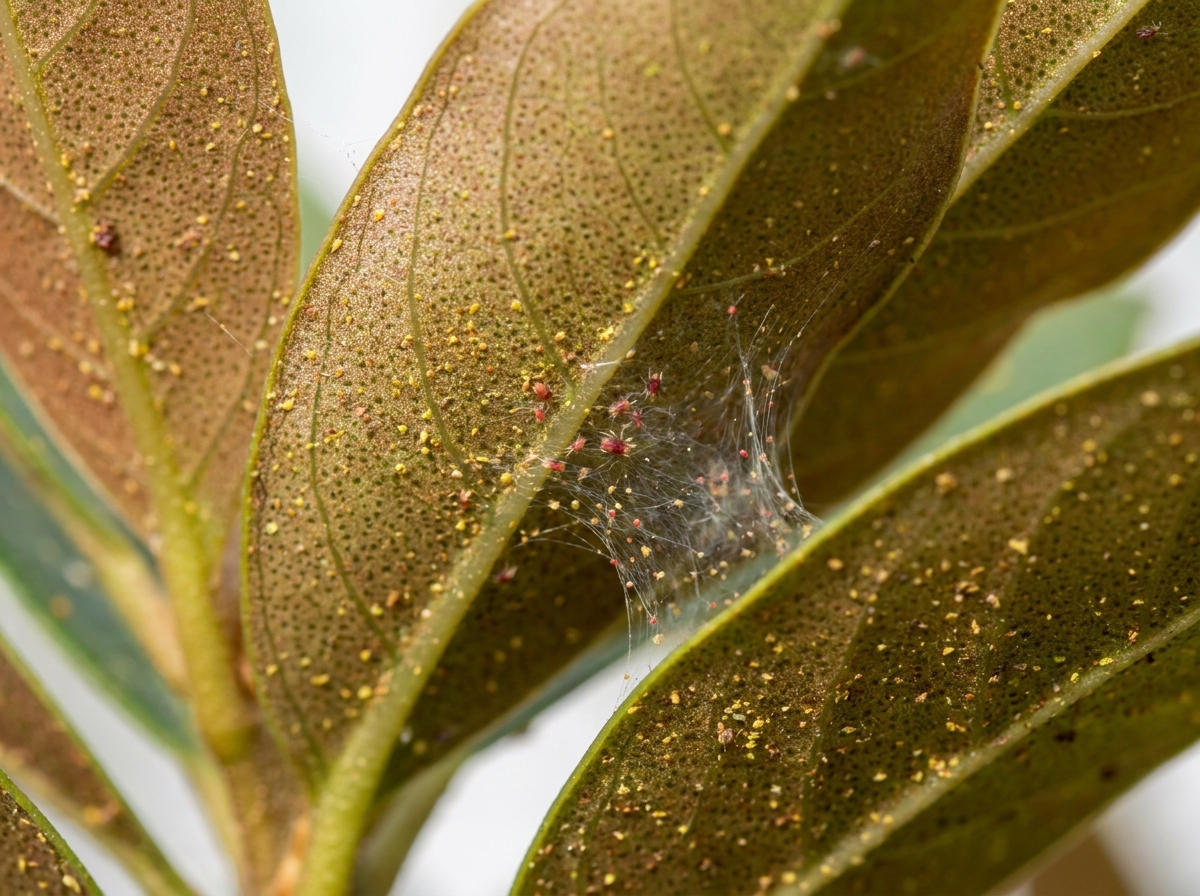
They feed by piercing leaf cells and sucking out the contents, leaving behind a characteristic bronze or silver stippling — literally thousands upon thousands of tiny pale dots across the upper leaf surface. A real mess. Look closely at the underside and you’ll see fine webbing, dusty movement, and if you’re unlucky, a miniature city of mites in full operation. They love roses, tomatoes, cucumbers, aubergines (eggplants), fruit trees, and — a detail that surprises most people — houseplants like peace lilies and fiddle-leaf figs that get moved near a sunny, dry windowsill in summer. I’ve seen it countless times.
I’ll be blunt: an untreated spider mite infestation can kill a plant. Full stop. Not slowly and gently — suddenly and completely — actually, no — more like a full-blown assault. Last summer I lost a potted lemon tree I’d been nursing for four years. Didn’t catch the mites until the leaves were already turning yellow and curling at the edges. By then, the colony had spread to two neighbouring plants. It was a very bad week, let me tell you.
Beyond outright death, the damage compounds fast:
According to the Royal Horticultural Society, glasshouse red spider mite is one of the most damaging pests in heated environments. And outdoor populations surge during drought conditions, which are becoming more common across the UK and US alike, aren’t they?
The single most effective first response costs nothing. Seriously. Water. Mites hate humidity, plain and simple. Blast the undersides of leaves with a strong jet of water from your garden hose on a jet setting — this physically dislodges mites and eggs, and the moisture disrupts the dry conditions they depend on. Do it around 8 AM so leaves dry before nightfall. Repeat every two days.
For anything beyond a light infestation, here’s what actually works, no messing:
Don’t use the same product twice in a row. Resistance builds fast, trust me. Rotate between neem, soap, and predators. You’ll thank yourself later.
Spider mites aren’t often alone. Once you’ve got one stress-related pest, others won’t be far behind. Watch for:
Southern Hemisphere gardeners: your outdoor plants’re heading into winter, but if you’re bringing tender plants indoors now, you’ll want to check them thoroughly before they come inside. Don’t faff about. Indoor heating in June creates exactly the dry conditions mites love, you know.
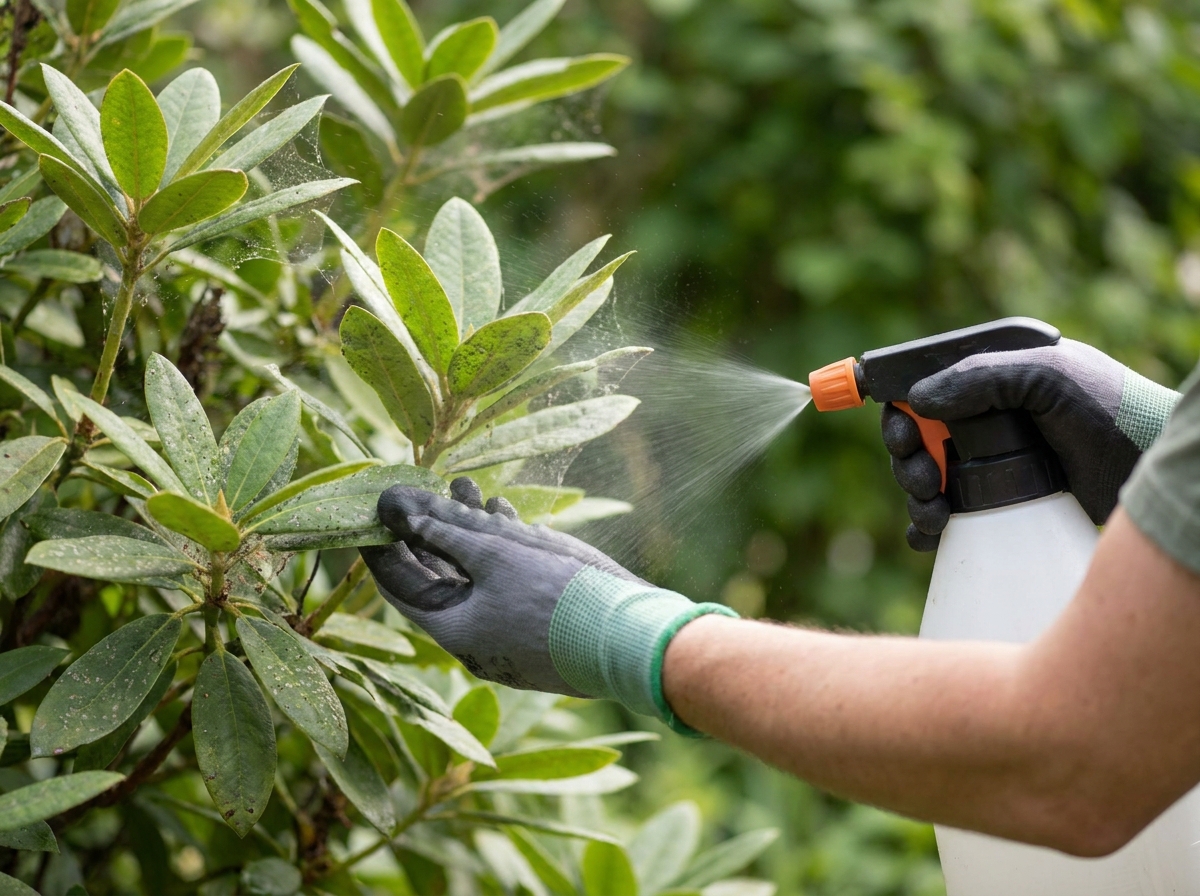
Smart tip: Check leaf undersides weekly in summer — by the time damage is visible on top, mites’ve already set up shop. And it’s usually too late.
Just barely. They’re about 0.5mm — seriously, like a moving grain of pepper. So use a magnifying glass on the underside of a suspected leaf and look for movement. The webbing is usually easier to spot than the mites themselves, truth be told.
No. Absolutely not. They feed exclusively on plant tissue and can’t survive on human or animal skin. They’re a plant problem, not a household one, so don’t you worry about that.
Central air conditioning and indoor heating both drop humidity dramatically — isn’t that just what mites love? Increasing humidity around your plants is the single most effective long-term prevention. A small humidifier near your plant collection works better than any spray, honestly.
There’s no solid evidence that coffee grounds deter spider mites specifically — they’re better used as a soil amendment. Coffee grounds don’t work for spider mites. Full stop. But if you’re curious about using coffee grounds correctly in your garden, this article on using coffee grounds the right way this summer is worth a read before you start sprinkling. It’s a game changer for soil, just not mites.