Stop planting spring bulbs in waterlogged soil—here’s why timing matters now
0
September brings peak bulb-planting season, yet waterlogged gardens across the UK and US threaten to waste your investment before spring arrives. Soggy soil causes bulbs to rot rather than root, turning autumn’s promise into spring’s disappointment. Before you dig, assess your drainage – the soil conditions you see now determine whether your tulips and daffodils will flourish or fail.
Why September soil matters for spring bulbs
Early autumn is traditionally when gardeners plant spring-flowering bulbs, yet the season’s heavy rainfall has left many beds saturated and poorly draining. Bulbs planted in waterlogged conditions face fungal rot and basal rot, diseases that destroy them silently underground before shoots emerge in spring. The critical window between planting and winter frost is when bulbs establish roots, and they cannot do this in standing water.
Understanding bulb rot and drainage failure
Spring bulbs evolved in Mediterranean and alpine climates where soil drains freely after winter snow melts. Plant them in clay-heavy, compacted, or persistently wet ground, and they suffocate. Tulips and hyacinths are particularly vulnerable, whilst daffodils show slightly better tolerance, but none will thrive in bog-like conditions. A single season of poor drainage can wipe out a carefully planned display.
The problem deepens if your garden sits on heavy clay or in a low-lying area where water pools. Even well-draining soil becomes problematic if the water table rises after heavy rain, trapping moisture around the bulb’s base where rot begins.
Four essential steps before planting this September
Take these actions to assess and improve your bulb beds before autumn planting begins in earnest.
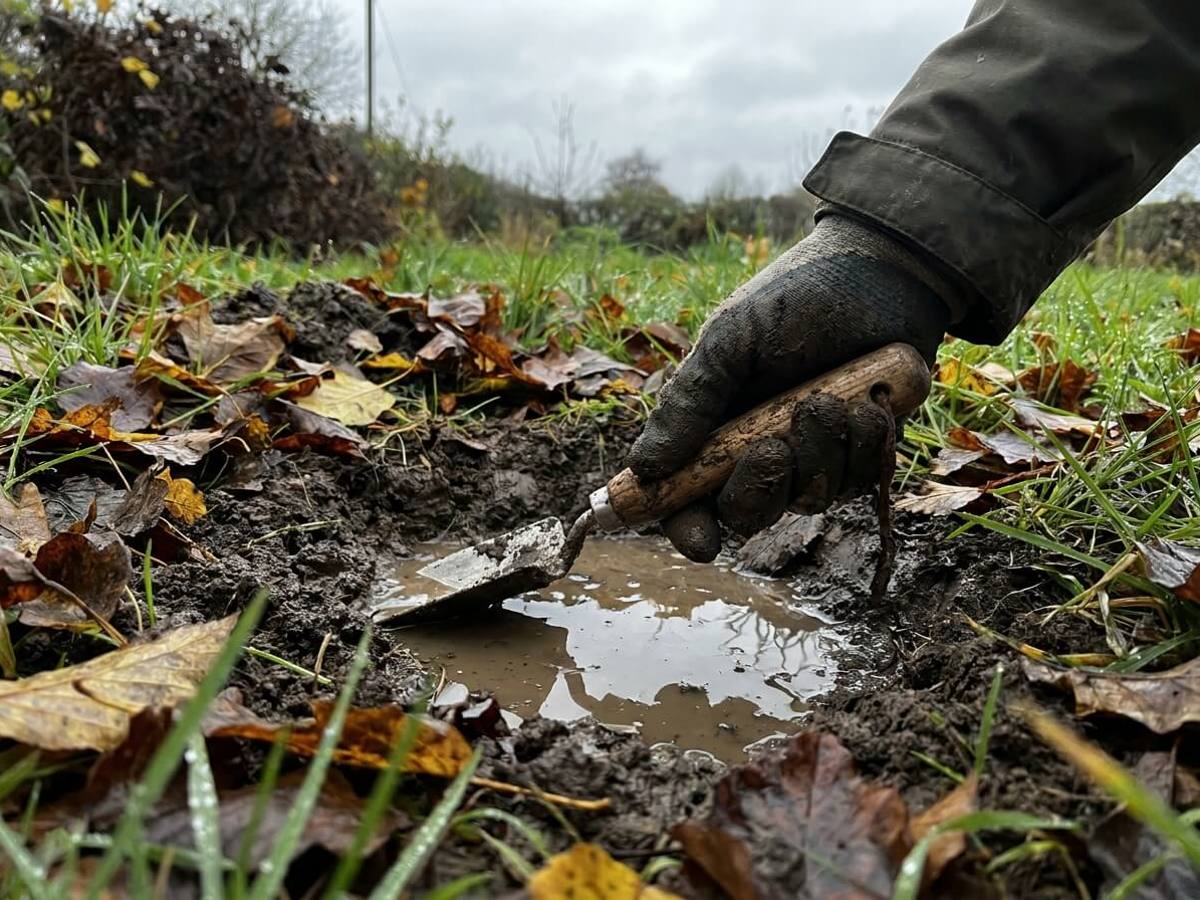
Dig a test hole 30 centimetres deep in your proposed planting area and fill it with water. If water remains after 24 hours, drainage is poor and bulbs will fail. Consider raised beds or alternative planting locations.
Amend heavy clay soils with horticultural grit, compost, or bark chips worked into the top 20 centimetres. This improves drainage without requiring total bed replacement.
Create raised beds or mounds for bulbs if ground drainage is genuinely waterlogged. Even a 15-centimetre elevation makes a dramatic difference to survival rates.
Wait until soil has dried somewhat after heavy rain before planting. Patience now prevents rot later. Soggy ground in early September often improves by mid-September or early October.
Monitor conditions through autumn and into winter
Watch your bulb beds through mid-autumn and winter. If puddles form regularly or soil remains squelchy weeks after rain, you’ve confirmed a drainage problem that demands action before next season. Conversely, if beds dry to a firm, crumbly texture within a few days of rain, you’ve likely found suitable planting ground. The weeks between bulb planting and hard frost are your bulbs’ critical establishment period, making proper drainage the single most important factor in their spring success.
🌿 Nature & Garden Newsletter
Gardening tips, recipes & seasonal advice, twice a week.