Bletilla striata: your complete orchid growing guide
0
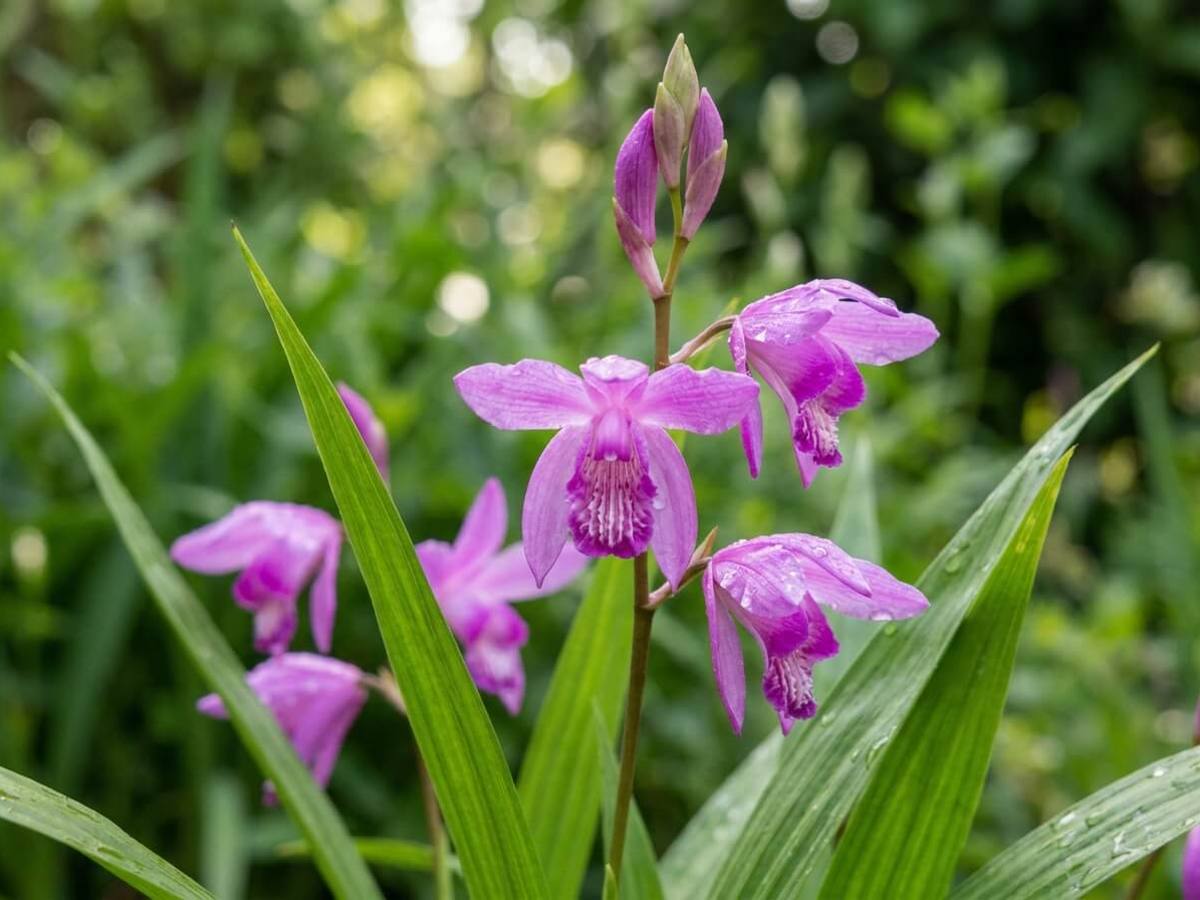
The hardy Chinese ground orchid is the easiest orchid you will ever grow outdoors, producing sprays of magenta-pink cattleya-like blooms above pleated, bamboo-like foliage in late spring. It thrives in ordinary garden borders rather than specialist compost, making it a brilliant choice for woodland edges, shady patios and the front of a sheltered bed. Few plants deliver such an exotic look for so little effort.
Growing conditions
Bletilla is happiest in dappled or morning sun with shelter from the hottest afternoon rays. Deep shade reduces flowering noticeably, so aim for a bright position under deciduous trees or against an east-facing wall. In cool maritime climates it will take full sun provided the soil never bakes dry.
Soil should be leafy, open and free-draining — think woodland floor rather than heavy clay. A pH between 5.5 and 7 suits it best, and chalky soils are tolerated if plenty of leaf mould is dug in. Waterlogging in winter is the single most common cause of losses, so improve drainage with grit on sticky ground.
The pseudobulbs are reliably hardy across most of Britain, northern France and the milder parts of central Europe, but new shoots emerge early and are vulnerable to late frosts. In colder inland gardens, a 7 cm mulch of bark or leaf mould applied in late autumn makes all the difference.
How to plant Bletilla
Plant dormant pseudobulbs in early spring, just as the soil begins to warm, or set out container-grown plants at any point during the growing season. Autumn planting is possible in mild areas, but spring gives the roots a full season to establish before winter wet arrives.
Space pseudobulbs 20–25 cm apart — close enough to read as a drift within three seasons, far enough to avoid competition.
Set the pseudobulbs shallowly, with the top just 3–5 cm below the surface; planting deeply is a frequent cause of rot and failure to emerge.
Fork a generous bucketful of leaf mould or composted bark into each planting area, plus horticultural grit on heavy soils.
Water in thoroughly, then keep the soil evenly moist — never sodden — until shoots appear, which can take four to six weeks.
Divide established clumps in early spring, separating the chains of pseudobulbs so each piece carries at least three bulbs and a visible growth bud.
Bletilla striata growing in a naturalistic garden border
Care through the seasons
Spring: Pointed shoots push through from March to April, resembling rolled asparagus spears. Apply a balanced general fertiliser or a top-dressing of garden compost as growth begins, and cover emerging tips with fleece or an upturned pot if a sharp frost is forecast. Slug protection is essential at this stage.
Summer: Water regularly while the plant is in leaf, particularly in containers, which dry out fast. Deadhead spent flower spikes unless you want to try seed, and leave the handsome pleated foliage untouched — it feeds next year’s pseudobulbs. A mulch around the clump conserves moisture through dry spells.
Autumn: The leaves yellow and collapse after the first frosts; cut them back to ground level once they have browned. This is a good moment to spread a protective mulch over the crowns. Avoid dividing in autumn, as disturbed pseudobulbs rot more readily in cold, wet soil.
Winter: The plant is completely dormant and invisible, so mark its position to avoid accidental digging. Pot-grown specimens are best moved to an unheated greenhouse, shed or sheltered wall where the compost stays barely moist.
Best varieties to grow
The species itself holds an RHS Award of Garden Merit, but several selections are well worth seeking out.
Bletilla striata — the classic rose-magenta species, AGM-holder and still the most vigorous and reliable garden plant of the group.
Bletilla striata f. gebina ‘Alba’ — pure white flowers that glow in shade, though slightly slower to bulk up than the type.
Bletilla striata ‘Albostriata’ — green leaves neatly edged in creamy white, giving interest long after the pink flowers have faded.
Bletilla striata ‘Kuchibeni’ — ivory-white petals with a pink-flushed lip, an elegant choice for a container by a doorway.
Bletilla striata ‘Big Bob’ — a notably robust clone with larger flowers and taller stems, reaching 60 cm in good soil.
Pests, diseases and common problems
Slugs and snails: They shred the soft emerging spears in spring, sometimes destroying an entire season’s flowers overnight. Ring the clump with sharp grit or wool pellets, and hunt by torchlight on mild damp evenings from March.
Pseudobulb rot: Shoots fail to appear, or collapse at the base in soggy soil. Lift and inspect the bulbs, discard soft ones, and replant the firm ones higher, in soil amended with grit and leaf mould.
Frost damage to new growth: Blackened, limp shoot tips after a cold snap mean flower buds may be lost, though the plant usually survives. Mulch deeply in autumn and keep fleece to hand through April.
Orchid viruses: Pale yellow streaking or mosaic patterning on leaves that worsens each year. There is no cure — destroy affected plants, never divide them, and sterilise tools between clumps.
🌿 Nature & Garden Newsletter
Gardening tips, recipes & seasonal advice, twice a week.