Billardiera longiflora: expert tips for growing this exotic vine
0
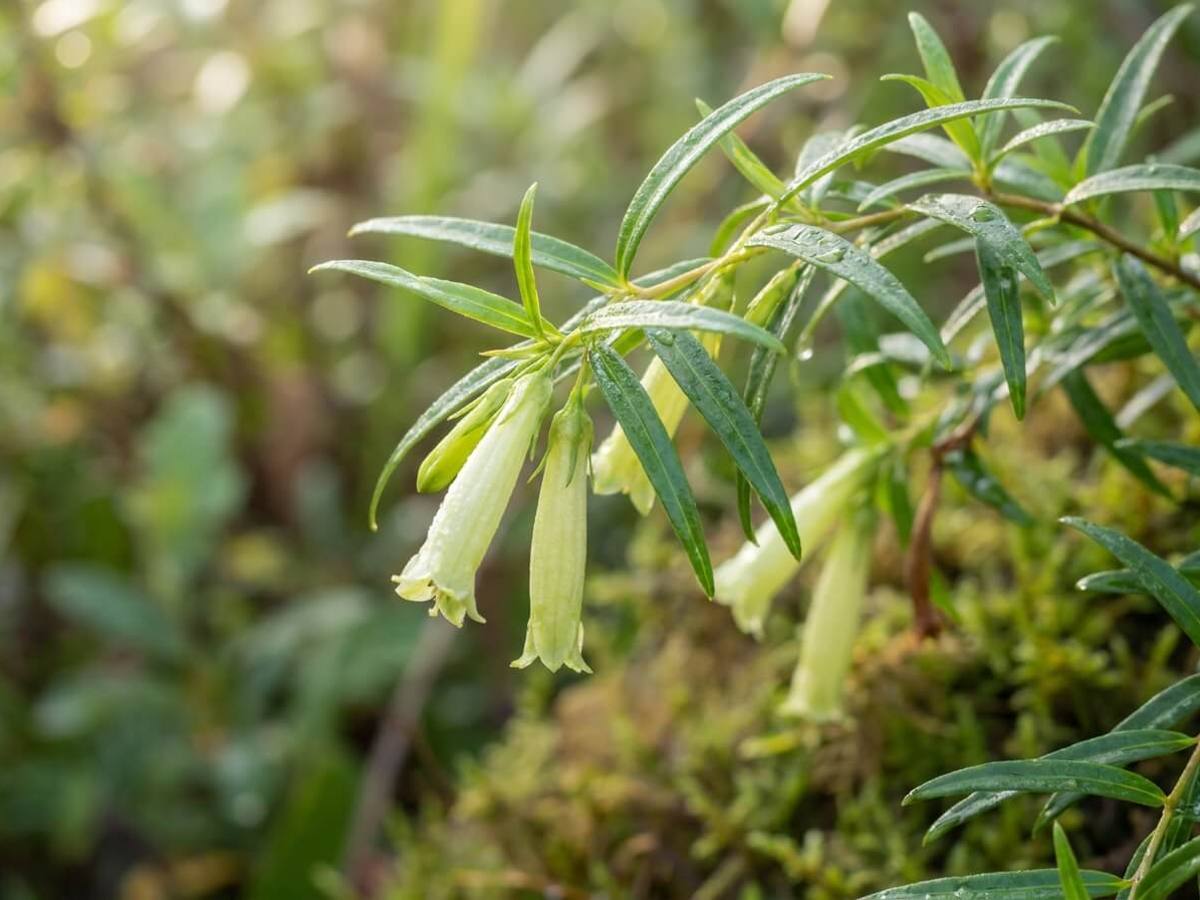
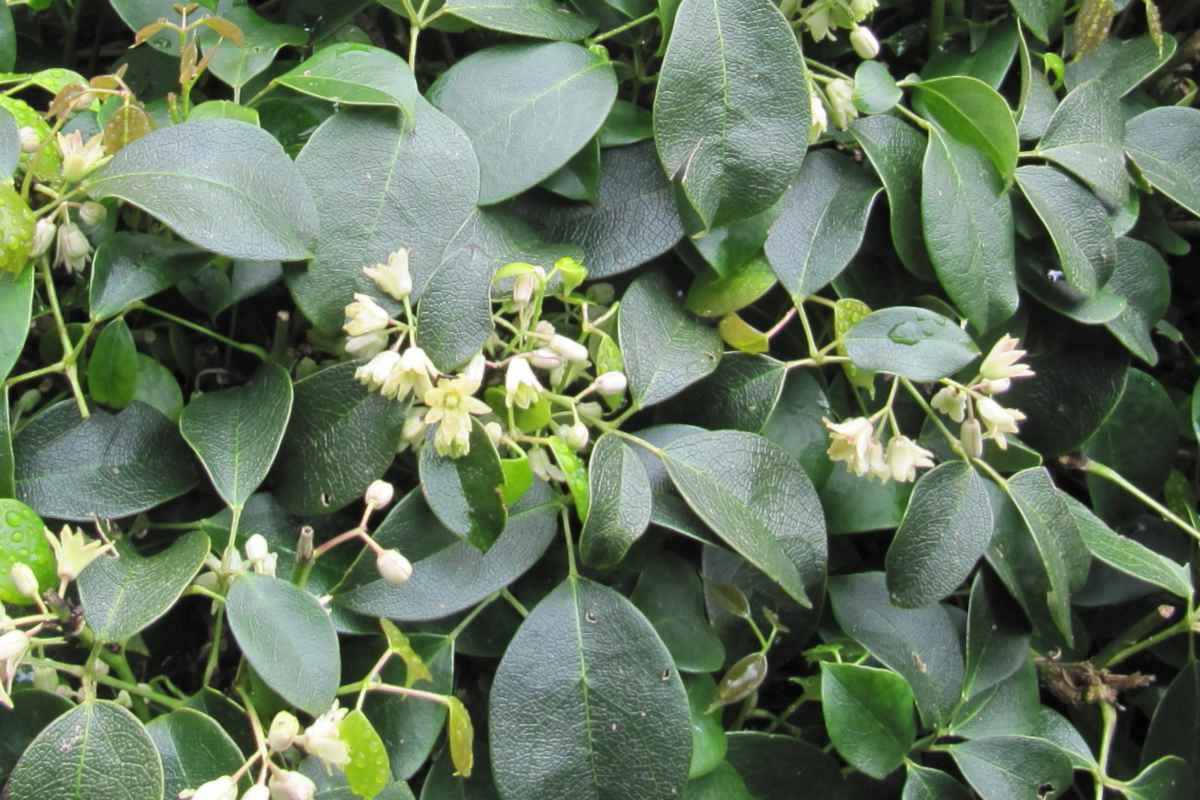
Few climbers earn their keep as quietly as Billardiera longiflora, an evergreen twiner from Tasmania that spends midsummer hung with nodding, lime-green bells and then transforms itself in autumn with glossy, oblong berries of an improbable violet-blue. It is slender enough for a small garden, never bullying its neighbours, and happily threads itself through a wall shrub or over an obelisk. The berries are the star turn — a metallic indigo that looks almost artificial against the narrow, dark leaves.
Growing conditions
Think of the woodland edges of Tasmania: dappled light overhead, cool damp litter below. The ideal site is a sheltered west- or south-facing wall or fence where the top growth catches sun — essential for good berry set — whilst the base sits in shade. In hot, dry inland gardens, light midday shade prevents leaf scorch.
Soil should be moisture-retentive yet free-draining, enriched with leaf mould or composted bark. A neutral to slightly acid pH suits it best; on thin chalk the foliage yellows and growth stalls, so container growing in ericaceous or loam-based compost is the better route there. Waterlogged winter soil is the quickest way to lose a plant.
Shelter from cold, drying easterly winds matters more than absolute cold. Gardeners in mild coastal and urban areas grow it against a wall with no protection at all; in colder inland gardens it is safest in a large pot that can be moved under cover below −5 °C.
How to plant Billardiera
Plant in late spring, once frosts have passed and the soil has warmed, giving a full growing season to establish before the first winter. Early autumn planting is acceptable in frost-free coastal gardens only.
Allow 1–1.5 m between plants — the growth is wiry rather than dense, and crowding reduces air flow and encourages mildew.
Set the rootball level with the surrounding soil, never deeper, and position it 30–45 cm out from a wall base to avoid the dry rain shadow.
Fork in two bucketfuls of leaf mould or well-rotted compost to the planting area; avoid mushroom compost, which raises pH.
Water in thoroughly with 10 litres, then mulch 5–7 cm deep with bark, keeping it clear of the stems.
Propagate from semi-ripe cuttings in late summer, or sow cleaned fresh seed at 15–18 °C — germination is slow and erratic, often taking two to three months.
Billardiera longiflora growing in a naturalistic garden border
Care through the seasons
Spring: Tie in or untangle the previous season’s whippy stems before new growth hardens, as they snap easily once lignified. Apply a balanced slow-release feed or a mulch of garden compost as growth resumes. Cut out any frost-damaged or dead shoots once you can see where live buds are breaking.
Summer: Water generously during dry spells, especially on plants against walls or in pots — drought during flowering causes bud and fruit drop. A liquid high-potash feed every three to four weeks from June supports flowering and berry formation. Guide new shoots onto wires or trellis; the twining stems need something thin to grip.
Autumn: This is the plant’s finest hour, so leave the berries entirely alone and resist tidying. Top up the mulch after the first cool nights to insulate the root zone. Take semi-ripe cuttings in early autumn if you have not already done so in late summer.
Winter: It remains evergreen, holding fruit well into the season. In gardens where temperatures drop below −5 °C, wrap the base with straw or fleece and screen the top growth with horticultural fleece during hard spells.
Best varieties to grow
Named selections are few, and most are chosen for berry colour rather than flower.
Billardiera longiflora (species) — the classic violet-blue berried form and holder of the RHS Award of Garden Merit; still the most reliable choice.
‘Fructu Albo’ — ivory-white to pale cream berries that glow in shade and look superb against dark evergreens.
‘Cherry Berry’ — rosy-red to cherry-pink fruit, a softer alternative that blends well with autumn grasses.
Sollya heterophylla (bluebell creeper) — a close relative rather than a cultivar, grown for sky-blue bells where berries are not the priority.
Pests, diseases and common problems
Aphids: Clusters on soft new shoot tips cause distortion and sticky honeydew. Squash by hand or dislodge with a jet of water; encourage ladybirds and hoverflies rather than spraying during flowering.
Glasshouse red spider mite: Fine webbing and bronzed, stippled leaves on plants under glass or against hot walls. Raise humidity by misting and introduce Phytoseiulus persimilis as a biological control from late spring.
Root rot and winter wet: Sudden yellowing, wilting and stem dieback on heavy soils signal drowned roots. Plant on a slight mound, improve drainage with grit, and never allow pots to stand in saucers of water over winter.
🌿 Nature & Garden Newsletter
Gardening tips, recipes & seasonal advice, twice a week.