Why Your Newly Planted Bulbs Are Rotting Before Winter
0
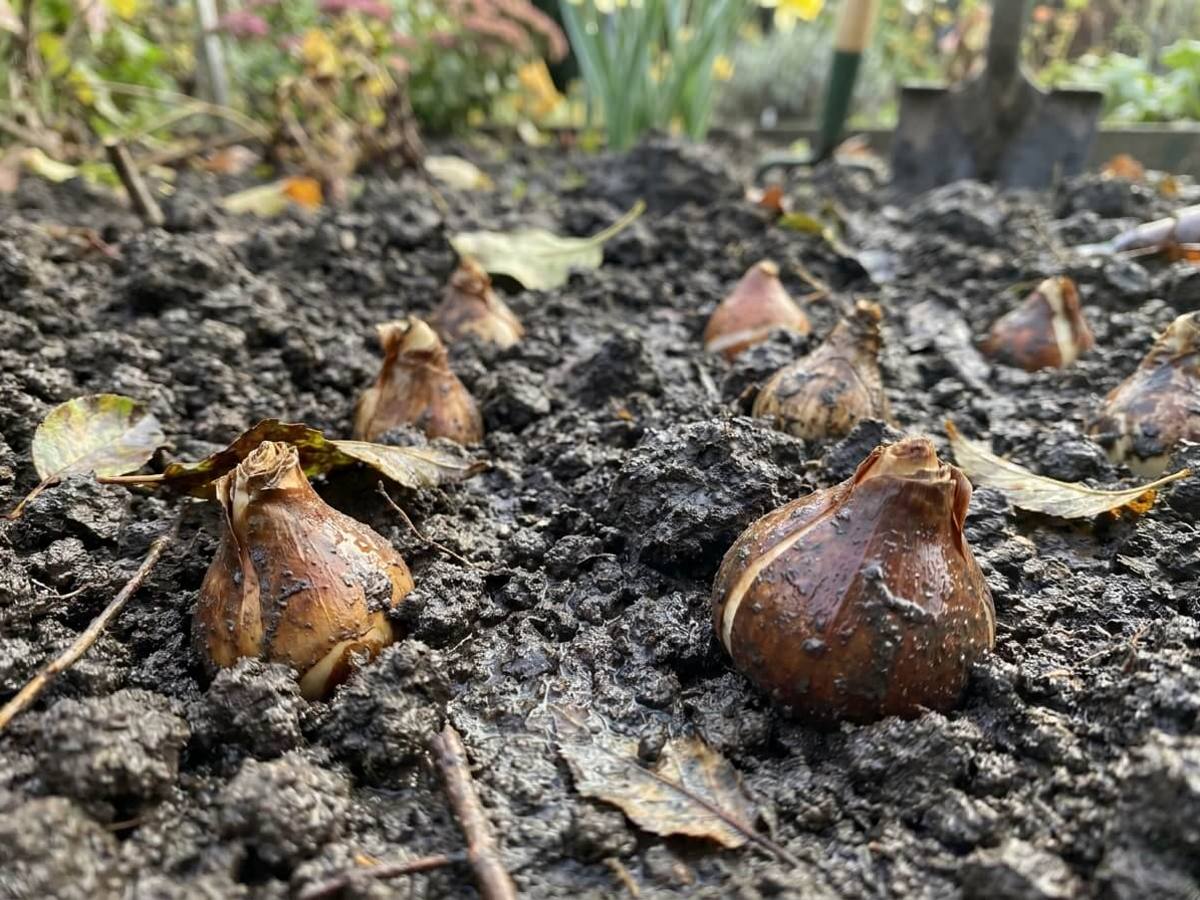
As soil temperatures drop through early autumn, gardeners rush to plant spring bulbs – but waterlogging in poorly drained beds is rotting them before winter even arrives. If your flower beds retain water after rain, your tulips, daffodils and crocuses are at serious risk. The good news: September is your last chance to fix drainage problems before the wet months hit hard.
Why September is crunch time for bulb planting
Across the UK and US, gardeners are planting bulbs as soil cools below 15 °C, signalling the start of the dormancy period bulbs need to flower in spring. This window typically opens in early autumn and closes by late November in milder regions, or mid-October further north. Heavy autumn and winter rainfall follows close behind, and if your beds don’t drain well, that moisture becomes a death trap for newly planted bulbs sitting in the dark soil.
The rot problem: why drainage matters more than you think
Bulbs are not seeds. They are living storage organs packed with starches and sugars, and when surrounded by water for weeks on end, they simply rot away. In poorly drained clay or compacted soil, a single bulb can turn to mush within three to four weeks of planting, leaving you with nothing but disappointment come spring. Many gardeners assume they have lost their bulbs to poor quality stock or disease, when the real culprit is standing water in the planting bed.
The issue intensifies in areas that receive more than 750mm of annual rainfall, or in gardens with heavy clay soils that shed water rather than absorbing it. Even raised beds can develop waterlogging if they sit on compacted ground without proper drainage underneath.
Four drainage fixes to implement this September
If you have not yet planted your bulbs, here is how to protect them from rot before you put them in the ground:
Dig out the top 30cm of your planting bed and fork over the subsoil beneath to break compaction, which prevents water from draining downwards into the lower soil layers.
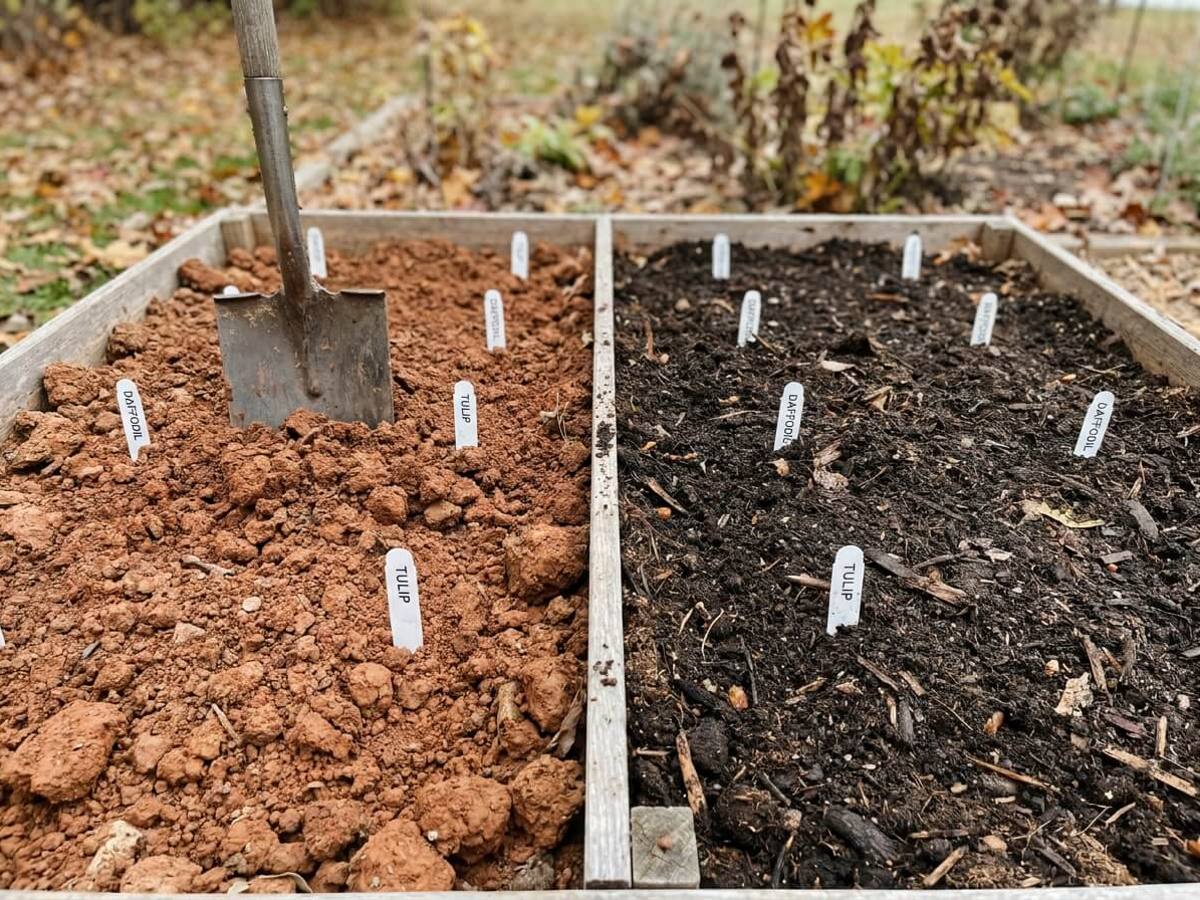
Amend heavy clay with coarse grit, horticultural sand or composted bark, working these materials in at a ratio of one part amendment to three parts existing soil to improve texture without ruining structure.
Create a gravel or grit layer 5cm deep at the base of your planting hole before adding compost and bulbs, allowing excess moisture to drain away from the bulb itself.
Consider raised beds or mounded borders if your garden is on flat terrain prone to pooling; even a 15cm elevation makes a significant difference in autumn and winter drainage.
What to monitor as autumn deepens
Over the coming weeks, watch how your beds respond to rain. If puddles sit for longer than an hour after showers, drainage remains your priority. Once you have planted bulbs, resist the urge to water them; autumn rainfall will provide all the moisture they need. Keep an eye on any soft or blackened foliage at soil level, which signals rot in the bulb beneath, and dig these out promptly to prevent fungal spread to neighbouring bulbs.
🌿 Nature & Garden Newsletter
Gardening tips, recipes & seasonal advice, twice a week.