From snowdrop bells opening through blistering frost to the violet spheres of Allium giganteum held over four feet up, spring bulbs carry colour from the end of winter right into early summer. Plant them in autumn, pointy tip upwards, at three times their own height, and the flowers follow almost without fail.
Bulbs are among the plants that have a 100% success rate for planting, even for beginner gardeners. All you need to do is plant them in fall, pointy tip upwards, at a depth of 3 times their height.
In spring, wonderful, vigorous, colorful blooms will sprout from the ground!
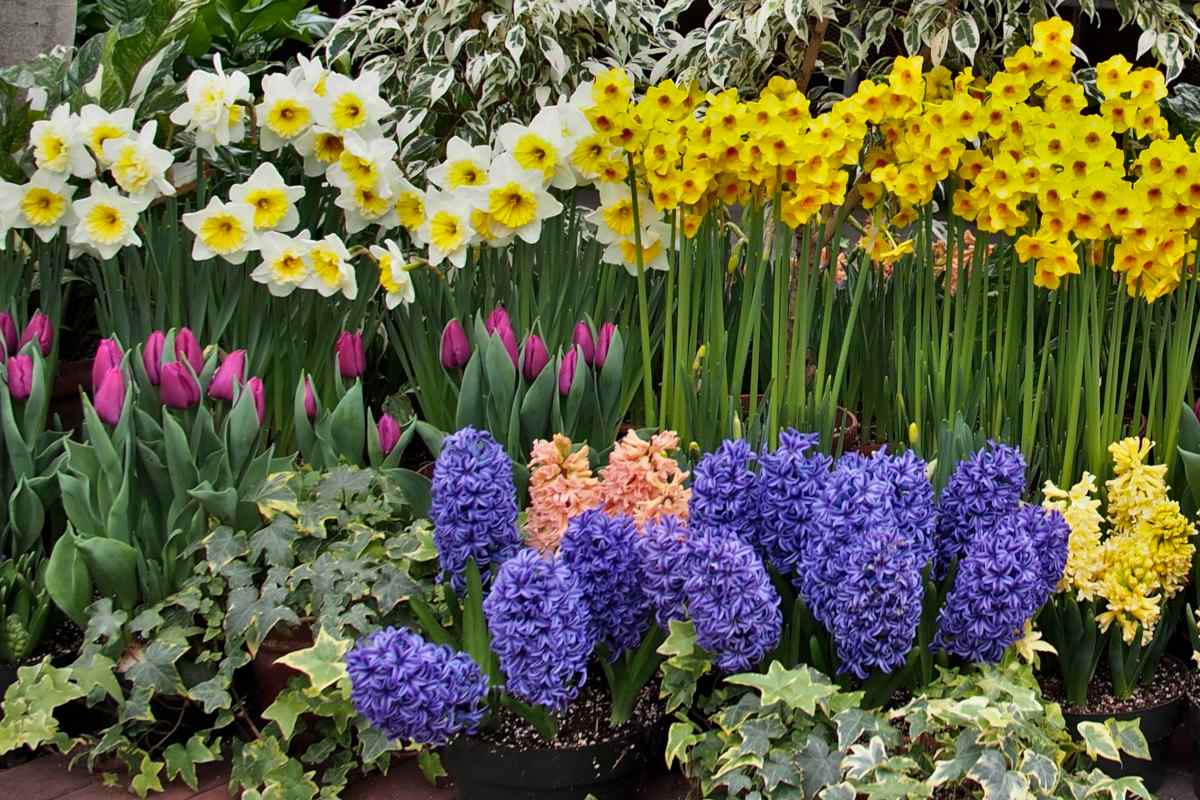
Feature: flower clusters with curly-petaled blooms, intense blue with a yellow heart
Exposure: sun, part sun
Soil: well-draining, deep, fertile
Cherry on the top? Its fantastic scent!
Wear gloves when handling hyacinth bulbs, as their sap irritates skin.
Plants that carry dense, top-heavy flower spikes are prone to leaning or snapping in strong wind and heavy rain, so siting them in a sheltered corner helps keep the stems upright.
Forced hyacinth bulbs typically produce looser, fewer-flowered spikes in later years, so replace them annually with newly forced bulbs if you want that tight, florist-shop cluster every spring.
Cherry on the top? Hardy down to 5°F (-15°C), this one isn’t afraid of the cold!
For species that spread mainly by self-seeding, cut the spent flower spikes off before the capsules ripen to limit volunteer seedlings; this will not check plants that travel by runners or rhizomes.
With daffodils and similar clump-forming bulbs, when the clumps grow crowded and flower less, lift and divide them once the foliage has yellowed and died back, then replant the bulbs at once.
Feature: small flowers with round upturned white petals contrast with heart-shaped leaves and reddish stems
Exposure: part sun, shade
Soil: light, well-drained, rich enough
Cherry on the top? Winter blooming that colonizes shaded areas.
Unlike the true bulbs in this list, Cyclamen coum grows from a tuber, planted shallowly with the dimpled, concave side facing up and covered by only a few centimetres of soil.
Many spring ephemerals, such as bloodroot and trout lily, die back entirely by midsummer, so marking a patch while its leaves are still visible makes the site much easier to relocate later.
Cherry on the top? Its XXL size: over 4 feet tall! (1.5m)
The strappy leaves yellow and collapse just as the spheres open, so set the bulbsbehind low perennials such as hardy geraniums that will mask the fading foliage.
Alliums are widely considered deer- and rodent-resistant, because their onion-like compounds and scent deter most browsing, though such resistance is not absolute and hungry animals will sometimes nibble the bulbs or foliage.
Feature: the amazing range of colors its flowers show, from pink to white though hues of orange
Exposure: full sun
Soil: rich and draining well
Cherry on the top? An ideal flower for a bouquet
Remove faded flowers from bulbs such as daffodils and tulips, and leave the foliage to die back naturally, so energy that would go into seed production is stored in the bulb instead.
Watch for tulip fire, which shows as twisted, scorched-looking leaves with grey mould; destroy affected bulbs and grow tulips elsewhere for a few years.
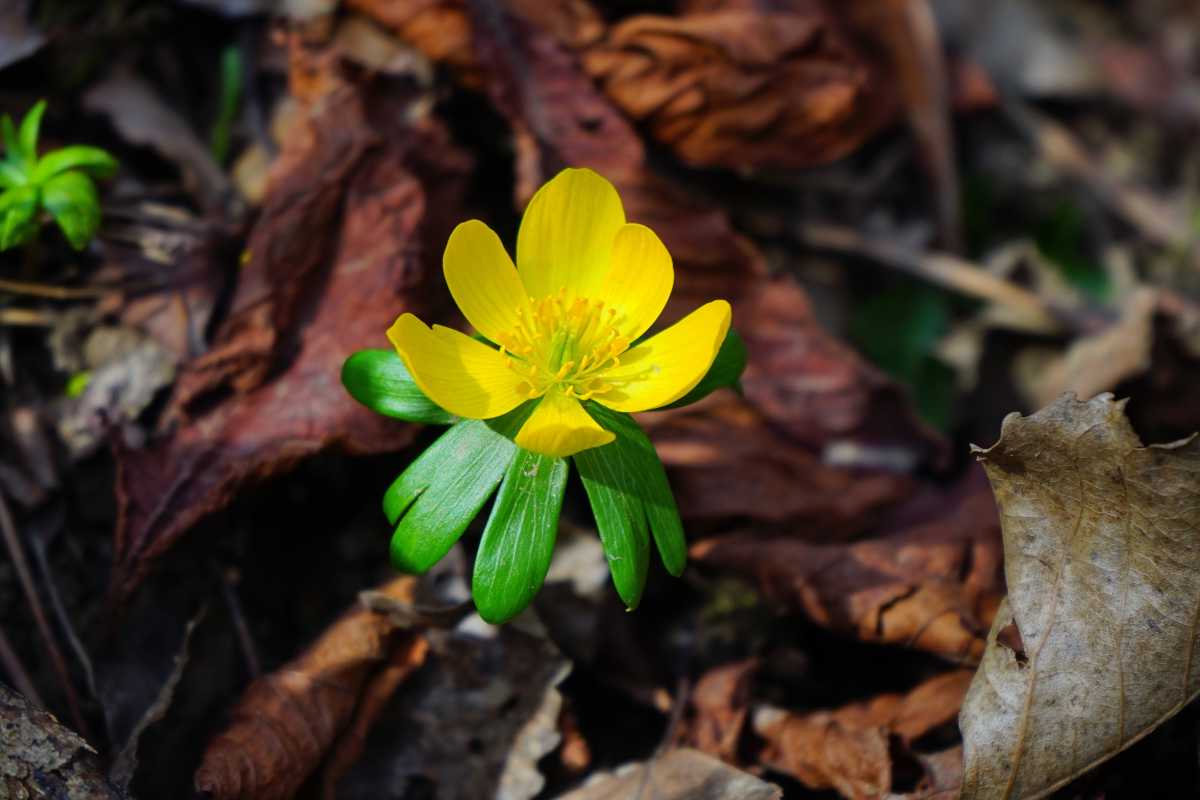
Feature: its small bell-like flowers braving the blistering cold Winter frosts.
Exposure: sun, part sun, shade
Soil: cool, well drained, rather rich
Cherry on the top? Its delicately scented and melliferous flowers.
Snowdrop bulbs dry out far faster than tulips or narcissus, so get them into the ground as soon as you buy them rather than leaving them in a warm shed.
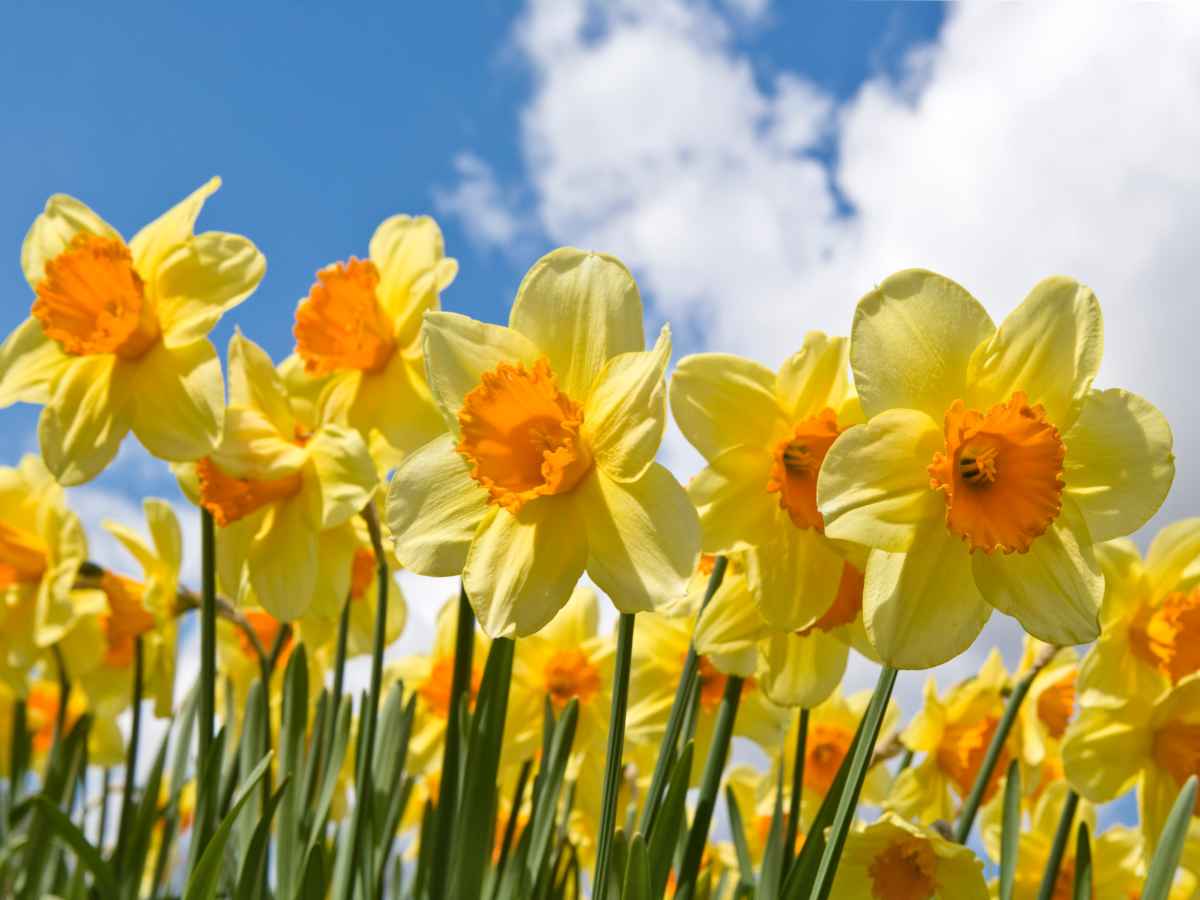
Feature: large round, white petals that open up around a wavy golden yellow crown
Exposure: sun, part sun
Soil: draining, rich and light
Cherry on the top? This daffodil‘s large size makes it a great choice in a bouquet.
Narcissus bulbs contain lycorine and related alkaloids throughout the plant, so squirrels and voles usually avoid them, making daffodils a widely recommended rodent-resistant choice, though such resistance is not absolute.
Snap off each faded bloom to stop the plant setting seed, then leave the foliage in place to die back naturally, since it is the leaves that photosynthesise and replenish the bulb.
Iris
Bright iris colours bring spring feeling to beds
Variety:Iris germanica ‘Smiling Faces’
Blooming period: Mid-spring to late spring
Feature: this bearded iris displays ivory white petals with bright yellow sepals
Exposure: full sun
Soil: well-drained, neutral to chalky
Cherry on the top? With its bright colors, this flower brings that fresh Spring feeling to your flower beds.
Unlike the true bulbs on this list, Iris germanica grows from a rhizome, which should be planted at or just below the soil surface rather than buried deeply like a bulb.
Feature: soft creamy yellow flower cusp that highlights its bright orange stamens
Exposure: full sun
Soil: well-drained, neutral to chalky
Cherry on the top? Early blooming that pairs wonderfully with that of snowdrop.
Crocus cups open as the flowers warm up, closing again in cold or dull weather, so site them where midday sun can warm them: beside a path, or under a deciduous tree.
Squirrels and mice dig up freshly planted crocus corms.
Pegging wire mesh over the planting area until shoots push through is standard advice that usually deters squirrels and other rodents from digging up corms, though determined animals can still get through.
If you naturalise ‘Cream Beauty’ in grass, hold off the first mowing until the narrow leaves have turned yellow, or the clump will thin out year on year.
The ten bulbs side by side
All ten are planted in autumn, but they do not flower at the same moment, nor in the same spot. Use this table to spread the display from midwinter to early summer and to match each bulb to the light your garden actually offers.
The ten bulbs side by side
Bulb
Variety
Flowering period
Exposure
Best feature
Snowdrop
Galanthus nivalis
midwinter to early spring
Sun, part sun, shade
Scented, melliferous bells that brave hard frost
Cyclamen
Cyclamen coum ‘Album’
late winter to mid-spring
Part sun, shade
Colonises shaded ground in winter
Crocus
Crocus chrysanthus ‘Cream Beauty’
late winter to early spring
Full sun
Creamy cups over bright orange stamens
Hyacinth
Hyacinthus orientalis ‘Blue Magic’
early spring to mid-spring
Sun, part sun
Intense blue clusters and a fantastic scent
Anemone
Anemone blanda ‘Blue Splendour’
early spring to mid-spring
Sun, part sun
Forms flowery pillows when planted in numbers
Tulip
Tulipa x Darwin ‘Ollioules’
mid-spring
Full sun
Wide colour range, ideal for bouquets
Grape hyacinth
Muscari armeniacum
mid-spring to late spring
Sun, part sun
Ground-covering panicles, hardy to 5°F (-15°C)
Narcissus
Narcissus ‘Chantilly’
mid-spring to late spring
Sun, part sun
Large flowers for cutting
Iris
Iris germanica ‘Smiling Faces’
mid-spring to late spring
Full sun
Bearded iris, ivory petals with yellow sepals
Ornamental onion
Allium giganteum
early summer to midsummer
Full sun
Violet spheres over 4 feet (1.5 m) tall
Pairing an early bloomer such as crocus or snowdrop with a late one such as allium keeps the same bed in flower for months.
How to care for Spring bulbs?
Most bulbs can simply stay in place, especially if the soil they’re in drains well – particularly during their dormant phase. You must let them bloom and only cut the foliage off once the entire plant has wilted away, yellow and dry. Take this as a warning: leaves as well, not just the flower stem! The reason behind this is that bulbs store nutrients and stock up for the following year just after the blooming. If you cut leaves off while still green, they probably haven’t stored enough to survive until next year!
Written by Gaspard Lorthiois | Loves helping out, especially when it comes to growing things. Worked in herbal medicine, runs a farm, and dabbles in tech. Master's degree and engineer.