Leucojum vernum, a bulb flower as cute as a spring snowflake
·
0
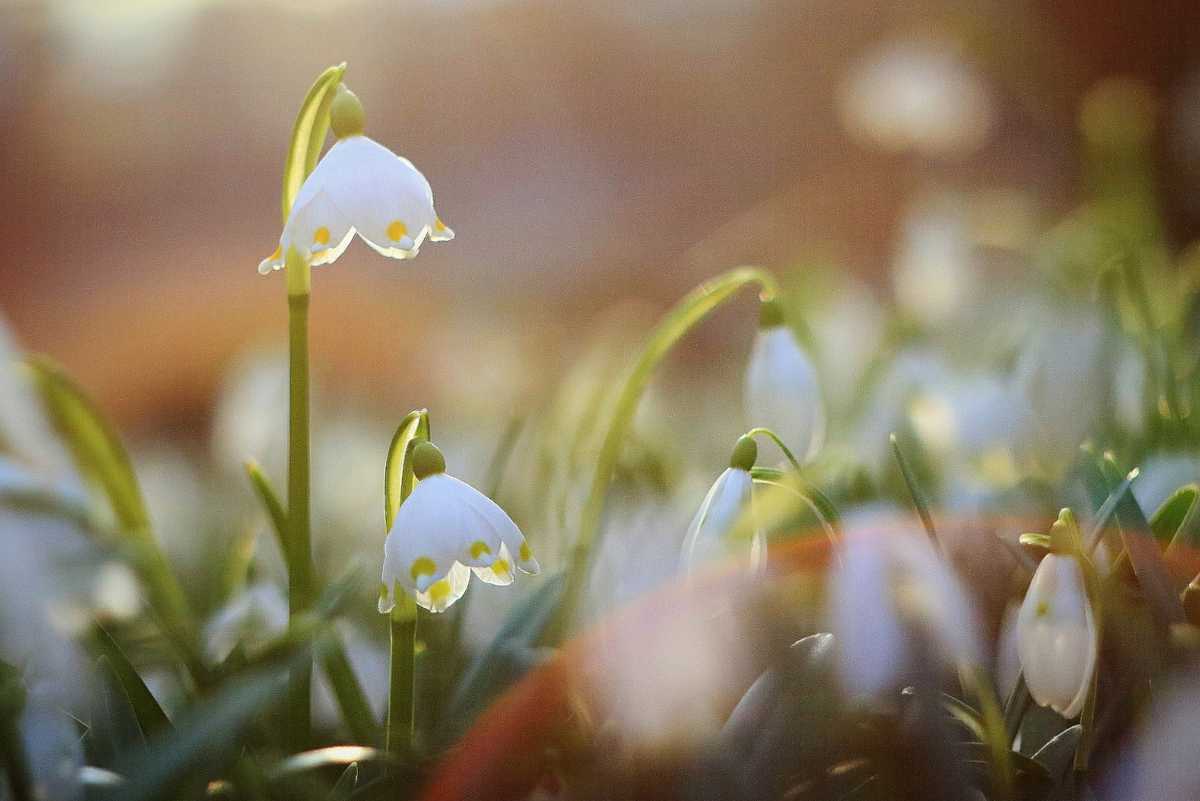
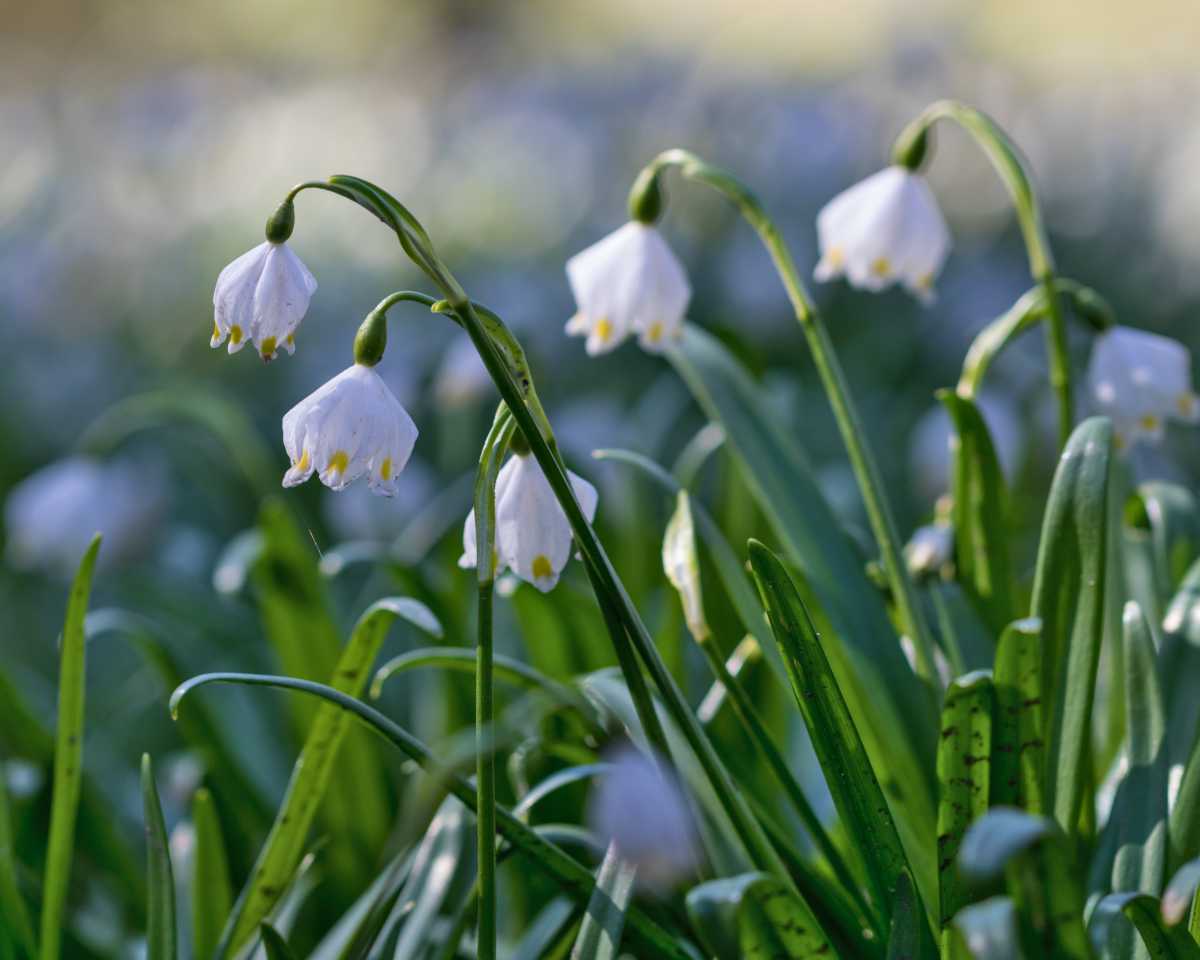
Wider and rounder than a snowdrop’s, the little white bells of spring snowflake (Leucojum vernum) appear on short stems as the snow melts away. Plant dozens together for a carpet under trees or along hedges; keep the soil moist, humus-rich and cool through summer and it will flower for years.
Spring snowflake (Leucojum vernum) at a glance
Name
Leucojum vernum
Family
Amaryllidaceae
Type
spring bulb
Height
5 to 12 inches (12 to 30 cm)
Exposure
sun, shade
Soil
ordinary
Planting
fall
Flowering
midwinter to early spring
These cute little flowers appear when snow starts melting away.
Planting spring snowflake
Spring snowflake is a bulb flower. As is the case with other spring bulbs, this one is also best planted in fall.
Plant your spring snowflake bulbs about 2 to 2½ inches deep (5 to 6 cm).
Moist and humus-rich soils that stay cool in summer are preferable. Under trees or along hedges are great options.
Go ahead and group dozens of bulbs close together to create a carpet-like cover.
You can also choose spots with different exposures. Blooming will come earlier in sunny spots and later in shaded ones.
Leave the foliage until it yellows and wilts entirely
Snowflake bulbs will dry up quickly in the air. Don’t wait long before planting them.
At the end of the blooming, wait for leaves to turn yellow. This means the plant has finally finished transferring nutrients to the bulb for the next season.
Don’t mow or cut the leaves before they’ve wilted entirely.
That’s all! It’s one of the plants that require only very little care.
Lift and divide congested clumps of Leucojum vernum in the green, straight after flowering while the leaves are still standing, and replant the bulbs immediately at the same depth so they never dry out.
Water spring snowflake (Leucojum vernum) during dry spells while its foliage is still green, since the plant favours consistently moist soil and, as with bulbs generally, gardeners aim to keep leaves growing until they yellow naturally.
Leave a few faded flowers to ripen their seed capsules: in cool, moist, humus-rich ground spring snowflake sets ant-dispersed seed and naturalises, though the colony thickens slowly, mostly by bulb offsets.
All parts of Leucojum vernum contain toxic alkaloids such as lycorine, most concentrated in the bulb; gardeners often report that rodents and deer tend to avoid it, and the bulbs are best planted away from young children.
Spring snowflake, snowdrop and summer snowflake compared
Three lookalike white bulb flowers are mentioned in this article, and they are easy to mix up. Here is what sets them apart, flowering time first.
Spring snowflake, snowdrop and summer snowflake compared
Plant
When it flowers
How to recognise it
Spring snowflake (Leucojum vernum)
midwinter to early spring, in early spring
Short bulb flower, 5 to 12 inches (12 to 30 cm) tall
Snowdrop
At the same time as spring snowflake
Three wider petals with smaller petals inside; nearly the same size
Summer snowflake (Leucojum aestivum)
In summer
Another species of the same Leucojum genus
Blooming also shifts within a single variety: it comes earlier in sunny spots and later in shaded ones.
Learn more about Leucojum vernum
Spring snowflake is often confused with the snowdrop flower, another cute white bulb flower. It blooms at the same time and is nearly the same size.
To tell them apart, remember that the snowflake flower is is wider and rounder, whereas snowdrop has three wider petals and then smaller petals inside.
This early-blooming spring flower will sprout through lawn grass and other lawn substitutes, so you can benefit from its blooming before the mowing seasons commences.
Another species of Leucojum,L. aestivum, blooms in summer.
Smart tip about Spring snowflake
This flower will bloom several years in a row if you don’t disturb them and if they don’t suffer too much heat in summer. To keep them cool, keep a thick layer of dried leaves over the bulbs in summer.
Take a look at several other unmissable bulb flowers
Spring snowflake bulbs and leaves contain lycorine-type alkaloids and are widely regarded as deer- and rodent-resistant, so they are often a better bet than tulips or crocuses in gardens where bulbs get dug up, though no plant is guaranteed pest-proof.
Think twice before bedding spring snowflake with tulips and hyacinths: those bulbs tolerate a dry summer dormancy, while Leucojum vernum grows best in soil that stays cool and reliably moist.
Interplant spring snowflake with hostas or ferns, whose leaves unfurl later and hide the yellowing snowflake foliage while it feeds the bulb for the following season.
If an established colony of spring snowflake flowers less and less, lift and split the congested clumps once the leaves yellow, and replant the bulbs at once before they dry out.
Written by Gaspard Lorthiois | Loves helping out, especially when it comes to growing things. Worked in herbal medicine, runs a farm, and dabbles in tech. Master's degree and engineer.