The plants are shooting up fast right now, the heat is building. And your medicinal herbs are making a decision you probably have not noticed yet. They are shifting from leaf production to flower and seed — the moment that switch happens, the essential oils that make them medically useful drop fast.
One pruning technique, done correctly and consistently, stops this entirely and keeps your harvest potent all the way through the season.
Herbs produce essential oils as a defence — against heat, UV radiation, insects, and drought. When the plant bolts into flower, that defensive chemistry is redirected into reproductive effort. The leaves still look green. But the volatile oil concentration in those leaves can fall by 30 to 40% within days of flowering beginning.
The issue accelerates in hot weather. An El Niño summer like this one pushes even slow-bolting herbs like lemon balm and oregano into flower weeks earlier than usual.
You check your plants on Monday, everything looks fine. By Thursday, there are flower buds.
By Sunday, you have lost a significant portion of the harvest’s medicinal value.
It is a switch.
You still get leaves. The plant still looks productive. But herbs harvested after flowering are noticeably weaker — lighter in smell, less pungent when crushed between your fingers, and significantly lower in the compounds that matter therapeutically. Thymol in thyme. Rosmarinic acid in rosemary. Volatile menthol in peppermint.
If you are drying or tinturing these herbs for winter use, you are locking in whatever potency they had at harvest. A weakened August harvest means weakened remedies in December. And your medicinal herbs may already be losing their healing power through other routes too — this just compounds the loss.
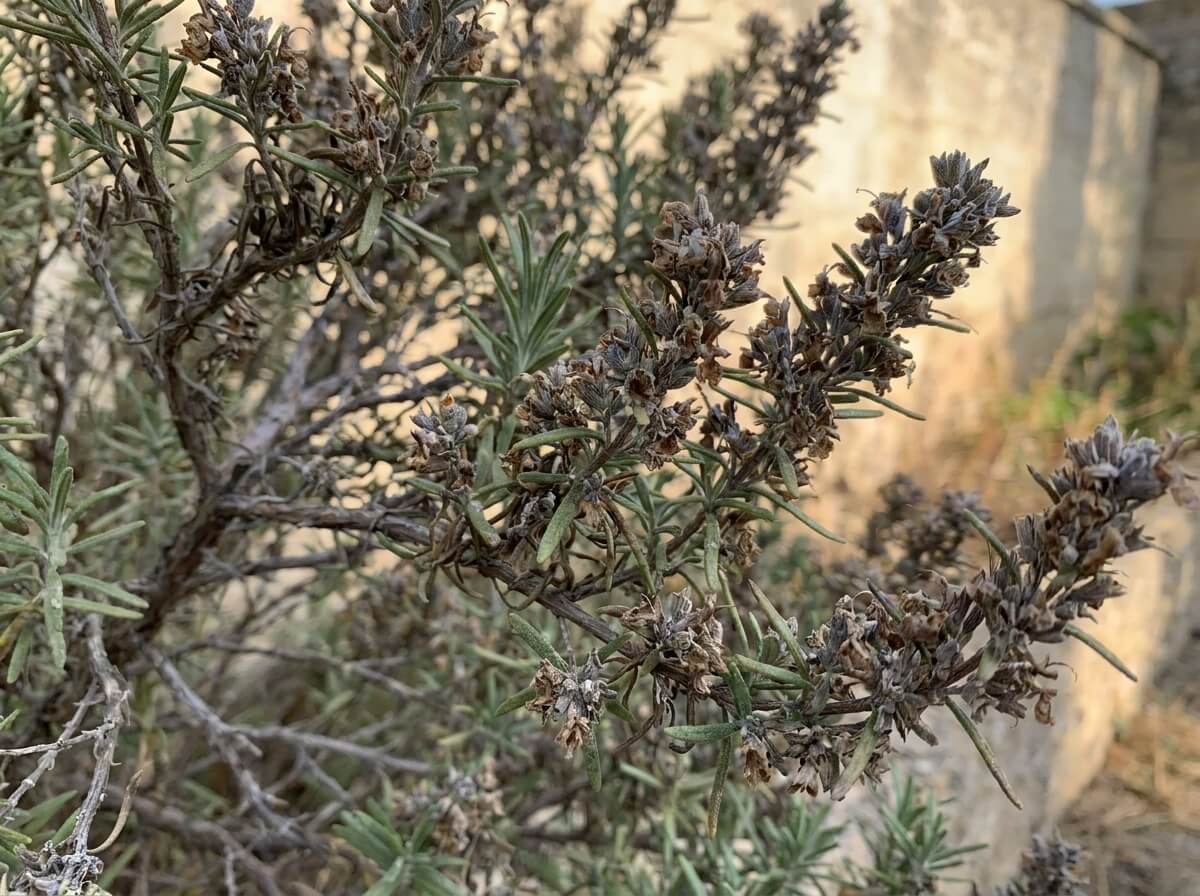
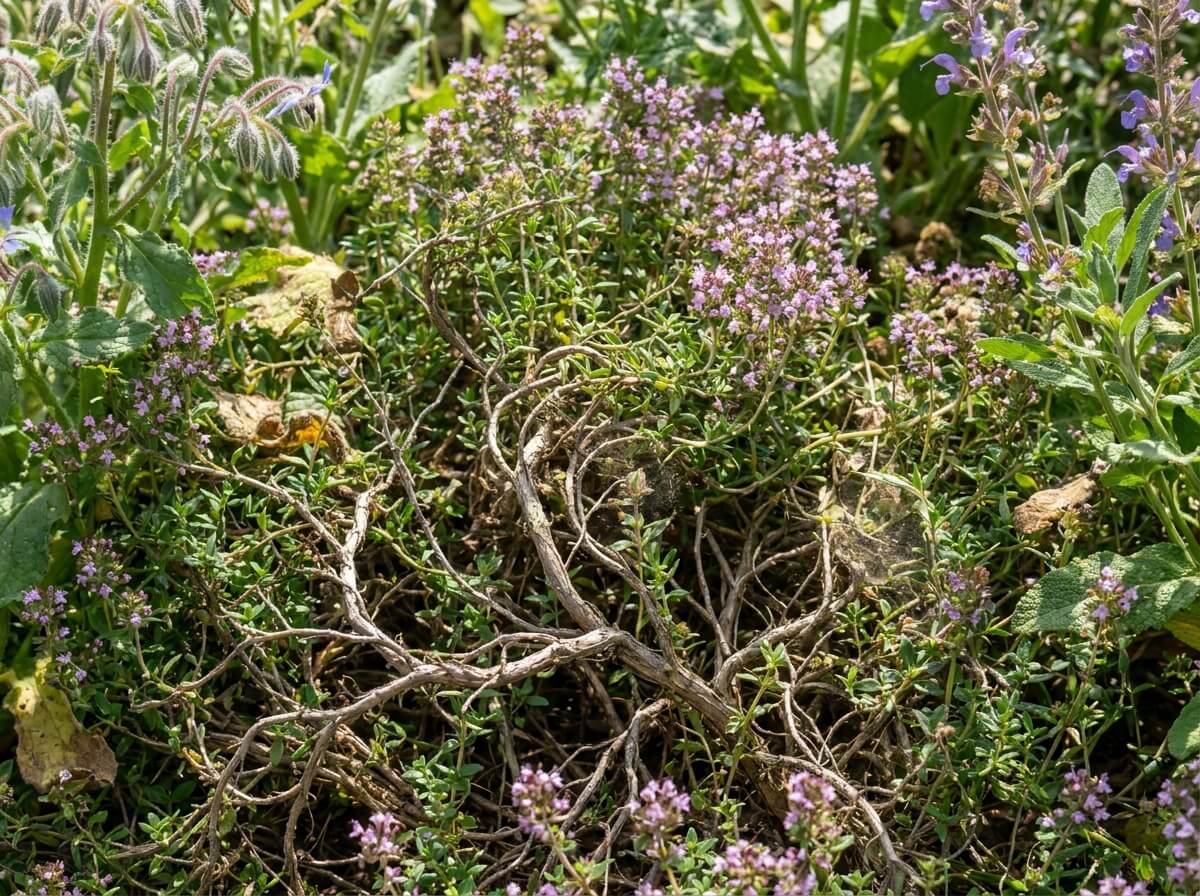
Woody stems do not recover. Leave a thyme or sage plant to flower repeatedly and it becomes a leggy, half-productive shrub within a single season.
Pinching is not the same as deadheading, and it is not the same as a hard prune. The specific move is this: find a stem that is showing early bud development or has shot up beyond 15 to 20cm. Then cut it back to just above the second or third set of leaves from the base of that stem.
Not the very tip. Two or three nodes down.
That node position is what triggers lateral branching. Cut only the tip and you get one replacement shoot.
Cut to the second or third node and you get two to four new shoots — each of which you can harvest in another fortnight.
Yes, it is fiddly the first time. Worth it. The difference in fragrance and potency from the very next harvest is night and day.
For dual-purpose plants where timing matters in other ways too, the advice on not missing the best harvest from your dual-purpose plants this summer is directly relevant.
Do not wait until you see open flowers. By then it is 5 to 7 days too late for that stem’s peak potency.
Watch instead for:
The thing is, that last one is the most reliable signal. The RHS advises harvesting culinary and medicinal herbs at their aromatic peak. And smell is your fastest diagnostic tool. If crushing a leaf between your fingers produces a noticeably duller scent than it did three weeks ago, the plant has already begun its shift. Start pinching immediately.
Southern Hemisphere gardeners: this applies to your December and January, when your summer heat triggers the same bolting response.
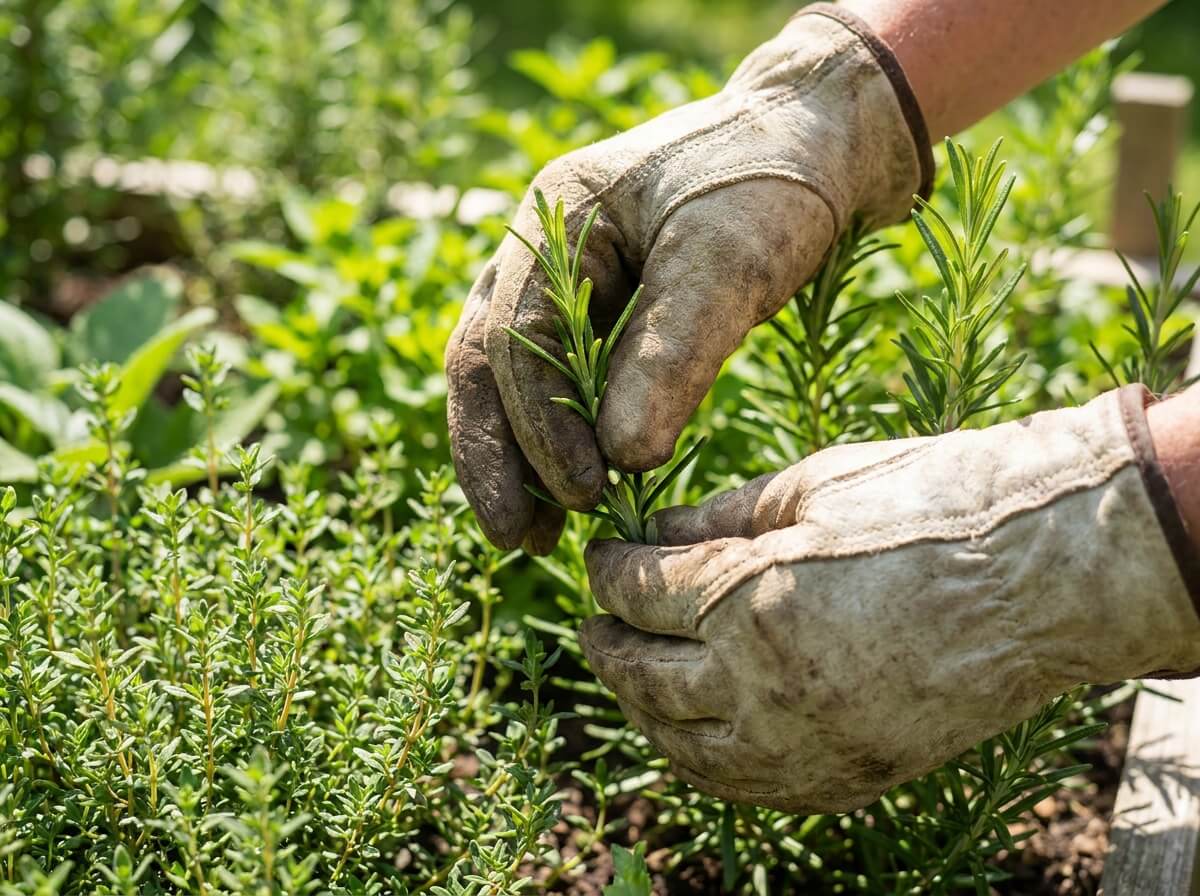
Smart tip: Crush a leaf before harvesting — a dull smell? The plant has bolted; pinch immediately.
Yes, but expect noticeably reduced potency. Cut the plant back hard to just above the lowest healthy leaf nodes and allow fresh growth to develop over the next fortnight before harvesting again.
Basil, lemon balm, oregano, and peppermint bolt fastest in heat and lose potency quickest. Thyme and rosemary are slower to bolt, but regular pinching is non-negotiable to prevent woodiness.
A standard harvest often takes whatever length of stem is convenient. Pinching is a deliberate cut to a specific node position — two or three leaf pairs from the base of the stem — to trigger branching rather than just replacement growth.
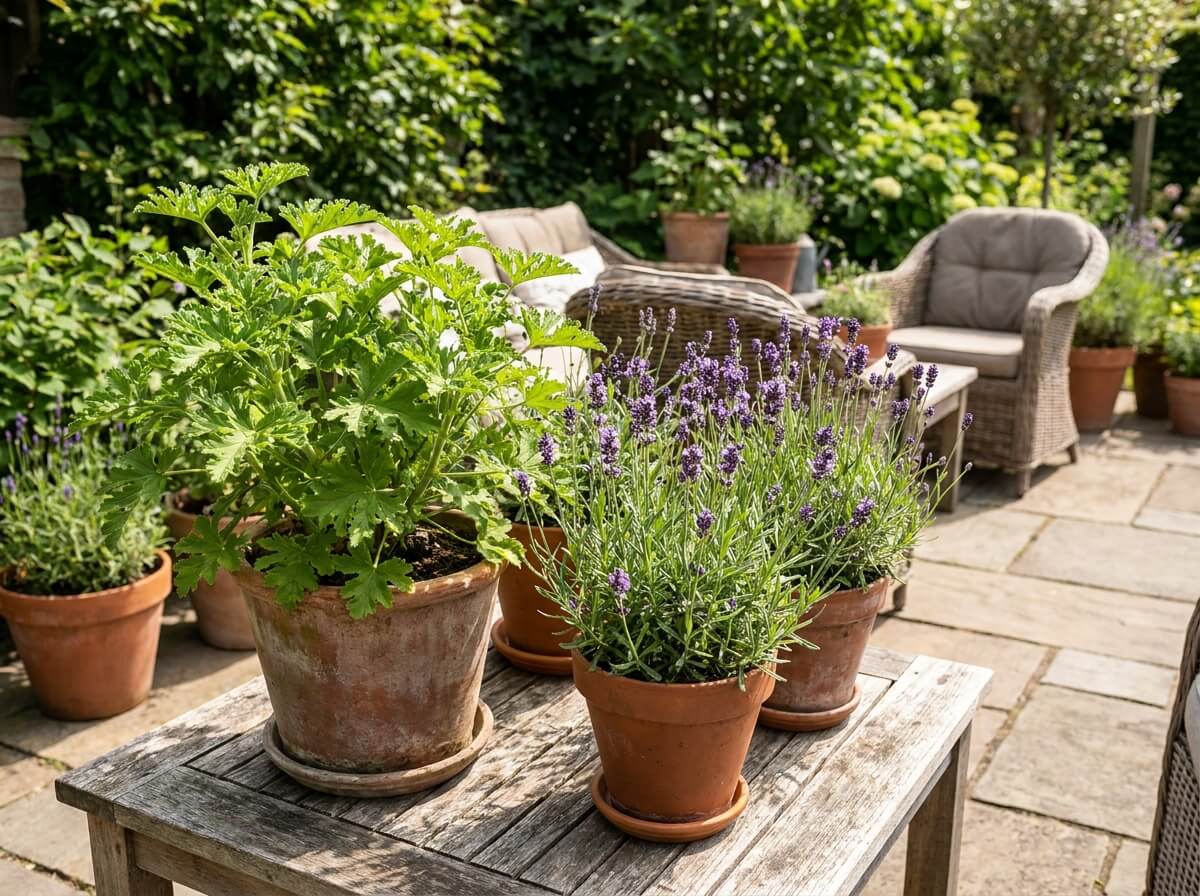
Absolutely — and container-grown herbs actually bolt faster because their roots heat up quickly in small pots. University of Maryland Extension recommends harvesting container herbs even more frequently in summer precisely because of accelerated bolting in confined root zones.