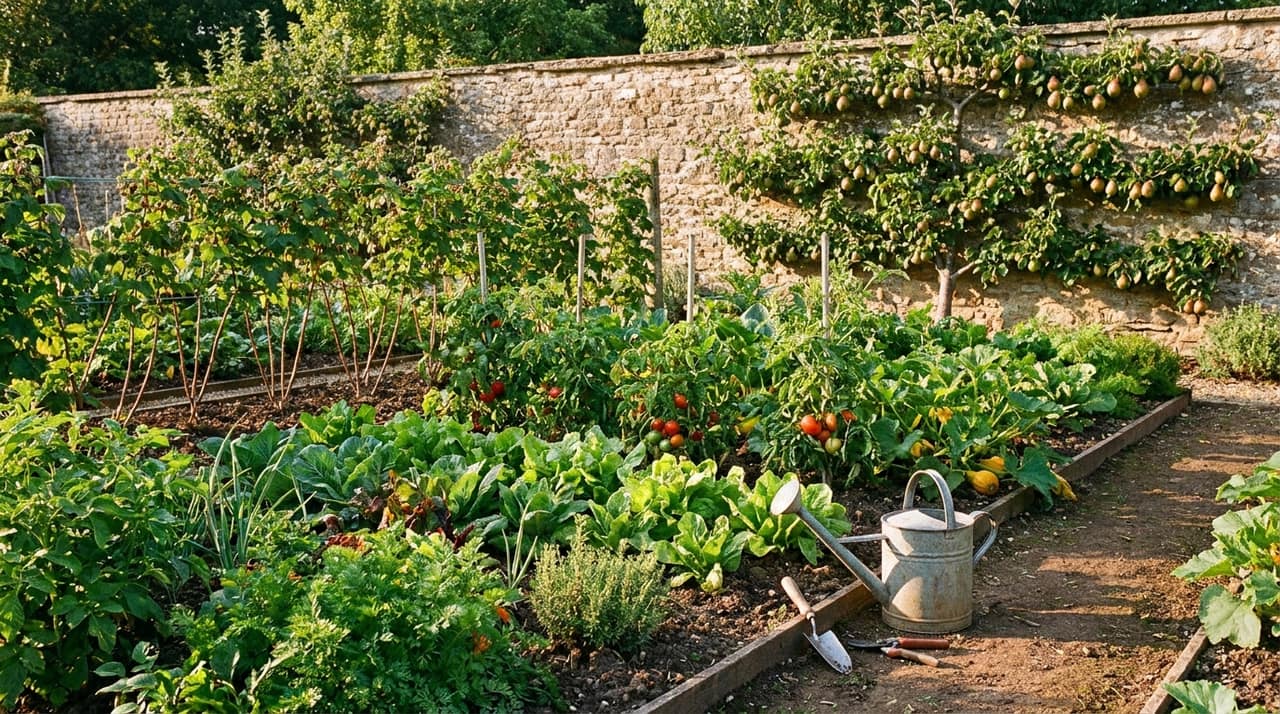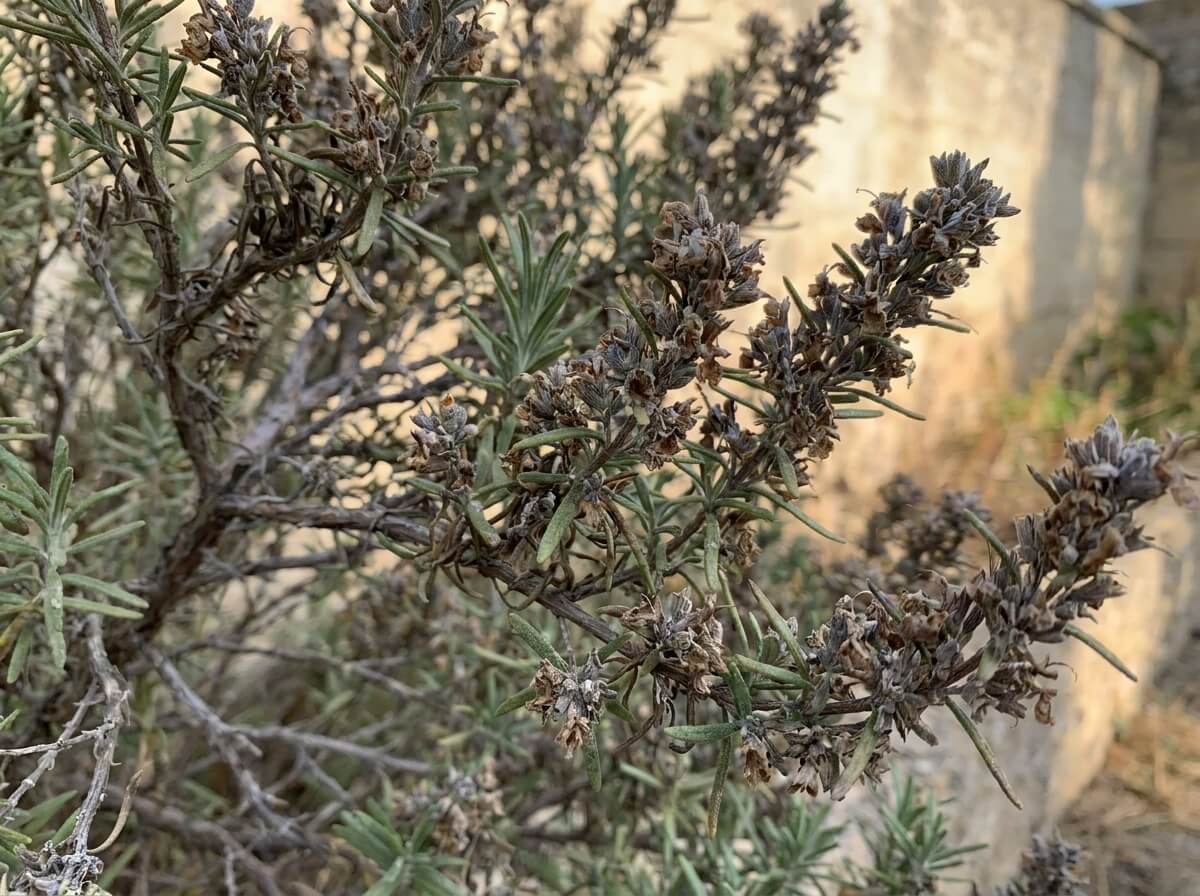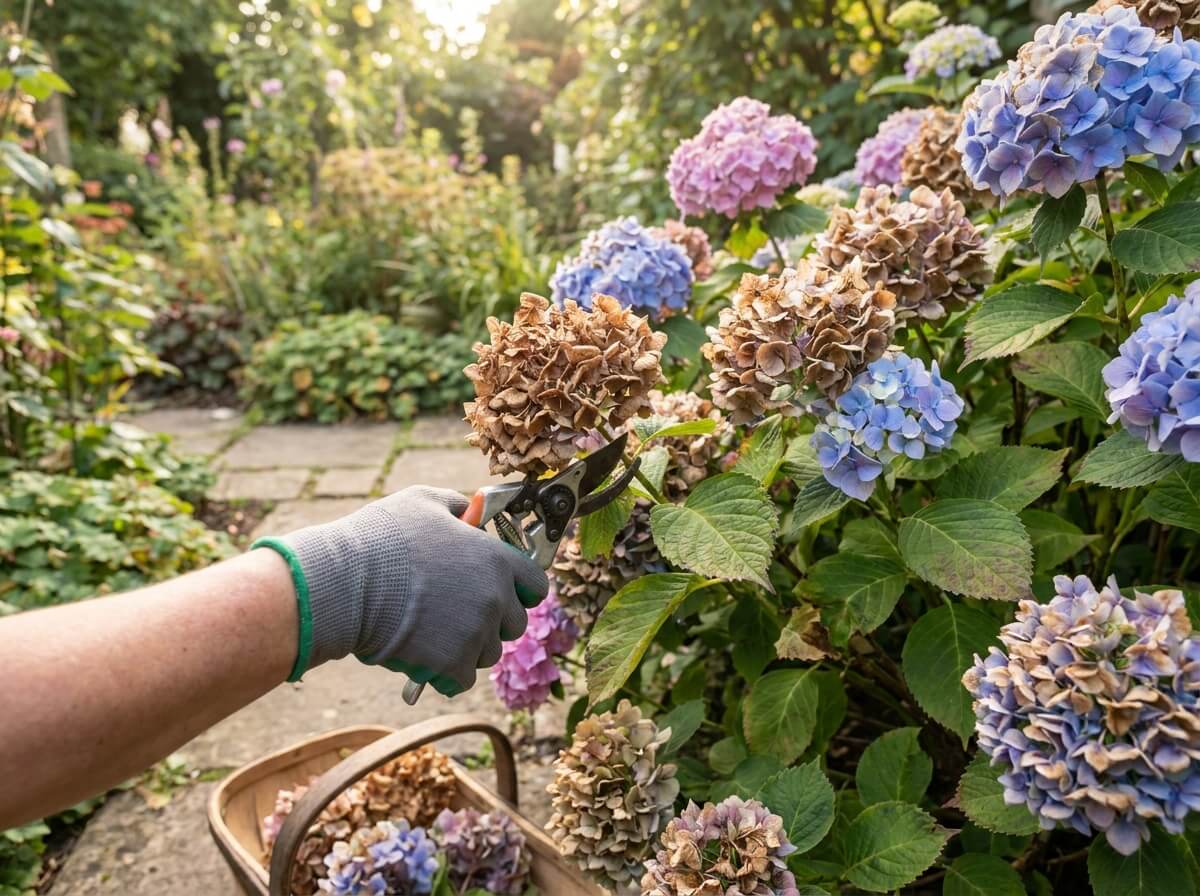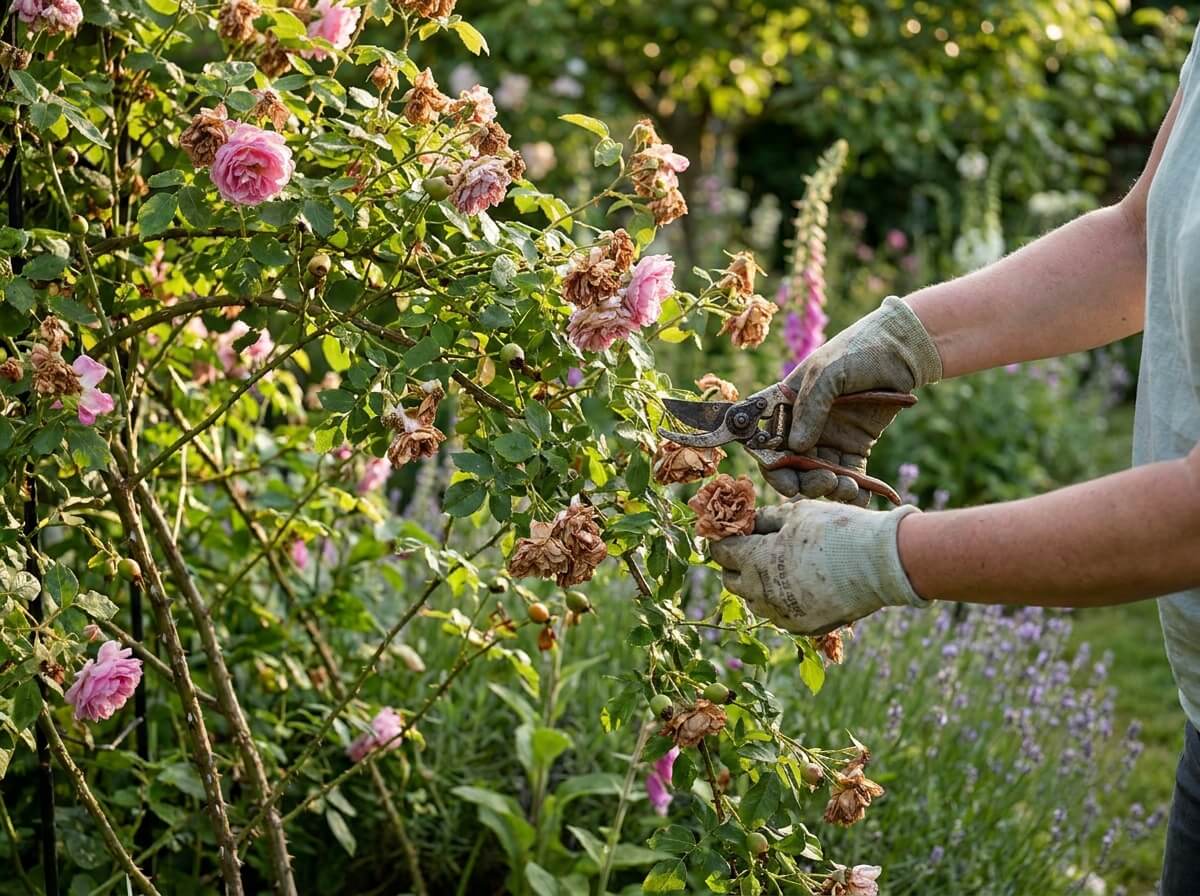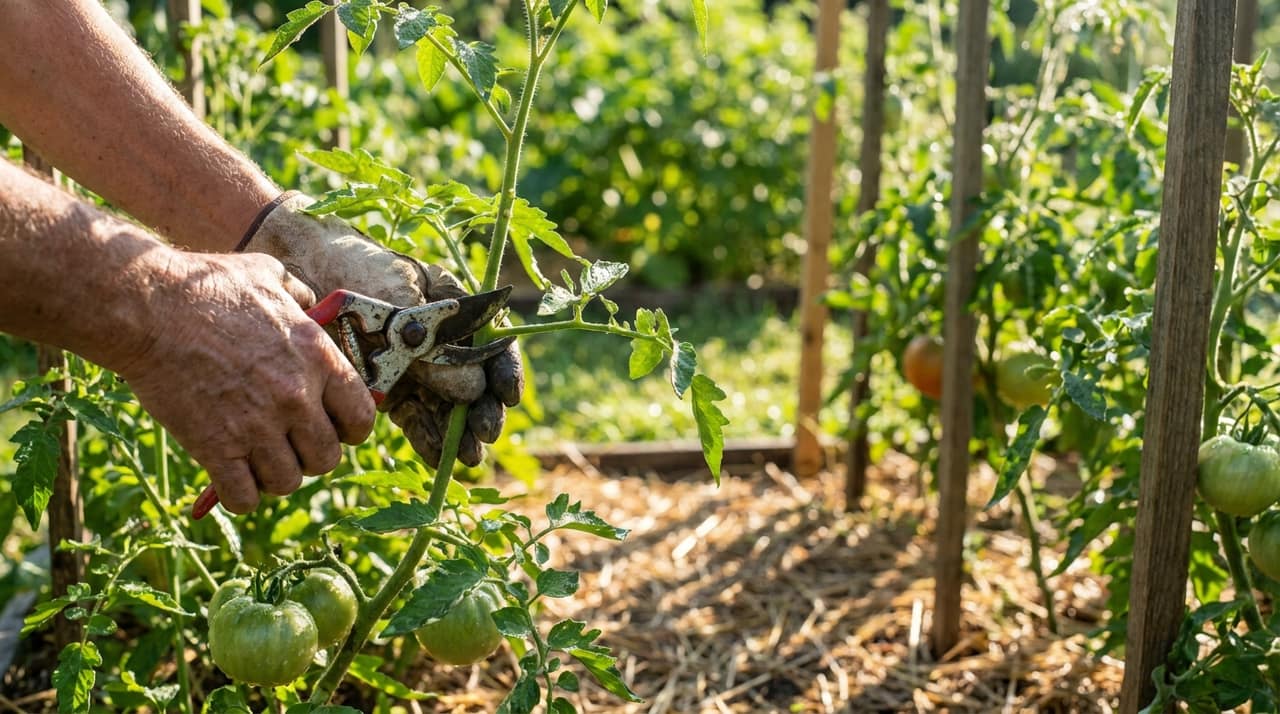
July is the golden window for redirecting your plant’s energy towards fruit ripening and autumn abundance. Strategic pruning now removes leafy growth competing for resources, allowing summer sunshine to concentrate where it matters most. Gardeners across the UK and US are discovering this overlooked technique transforms late-season harvests dramatically.
Right now, whilst summer heat peaks, your fruiting plants are at a crossroads. They’re simultaneously pushing new vegetative growth and developing fruit. In the UK, July temperatures hover between 18-22°C, creating ideal conditions for healing pruning wounds before autumn arrives. Across the US, gardeners in cooler zones face a similar window, whilst southern regions already manage intense heat stress on ripening crops.
Every leaf removed is an investment decision. Plants allocate finite resources between growth, flowering, and fruit development. Remove excess foliage now, and the plant redirects carbohydrates towards ripening existing fruit rather than producing new shoots. Research from horticultural centres shows that strategic July pruning can increase fruit sweetness by up to 15 percent, whilst triggering secondary flowering on many species.
This matters particularly for apples, pears, stone fruits, and autumn-fruiting raspberries. Remove competing growth, and you’re essentially telling your plant to focus on quality over quantity. The technique works because July’s remaining warmth allows wounds to callus over efficiently, reducing disease risk heading into autumn’s damper months.
Midsummer pruning is not one job but four, and each fruiting plant asks for a different cut. Use this table to see what to take off, how much, and what the plant gives back.
| Plant | What to remove | How much | Why |
|---|---|---|---|
| All fruiting trees and shrubs | Crossing or rubbing branches, then inward-growing shoots | Whatever crowds the centre | Opens the canopy to sunlight |
| Apples and pears | Current season’s extension growth | Shorten by one third | Leaves 4-5 leaves above the fruit cluster |
| Raspberries and blackberries | Diseased or weak growth, removed entirely | Thin out dense canes | Keeps only the strongest stems fruiting |
| Gooseberries and currants | Oldest wood and stems shading the fruit | One third of the oldest wood | Lets afternoon sun reach fruit clusters |
Whatever the plant, stop short of stripping it bare, as suddenly exposed fruit can scald.
Implement these focused cuts across your fruiting plants and productive shrubs:
Watch fruit development closely over the next four weeks. Properly pruned plants should show noticeably darker colouring and concentrated flavour development by late August. Autumn-fruiting raspberries may surprise you with secondary flushes appearing in September if you’ve pruned correctly. Keep pruning tools clean between cuts, particularly when moving between plants, and resist the urge to over-prune, as excessive removal now can expose ripening fruit to sudden sunscald.