Late summer is peak kitchen-waste season. As you harvest and prepare fresh cabbage for supper, those outer leaves you usually discard are actually dormant propagation factories. A horticultural designer shares a zero-cost technique that turns late summer scraps into transplant-ready seedlings by early autumn, multiplying your brassica harvest without a single seed packet or nursery outlay.
Across UK and US gardens, late summer is the moment when summer heat begins to soften and overnight humidity rises. Your harvested cabbages, kales, and broccoli plants shed outer leaves naturally, creating abundance when waste feels inevitable. This convergence of plant material and favourable growing conditions makes late summer the ideal month to attempt propagation before autumn’s cooler nights shift plant hormones toward dormancy.
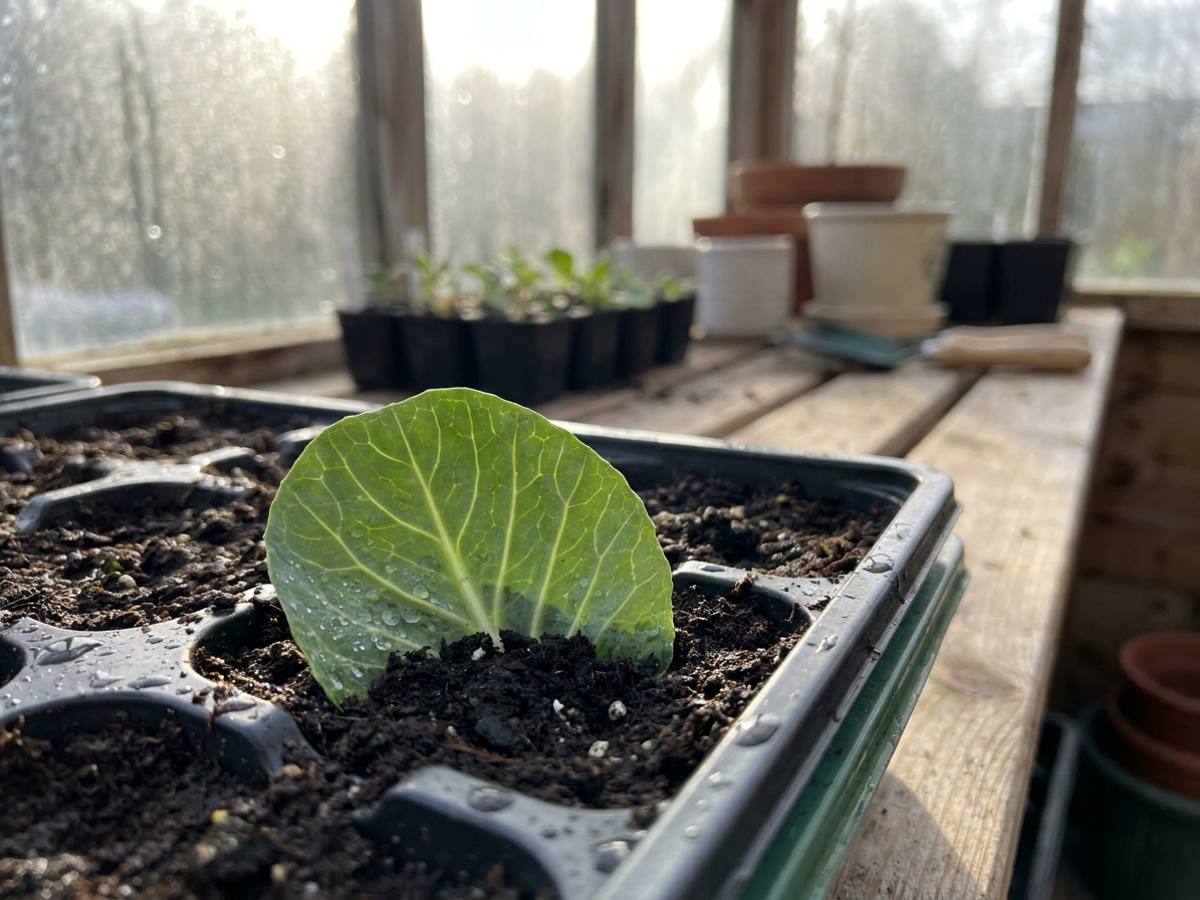
Most gardeners assume a detached cabbage leaf is finished. In reality, the leaf base contains latent meristematic tissue, dormant cellular clusters capable of generating new growth. When positioned in humid conditions with gentle warmth, these cells reactivate and form tiny plantlets. A single leaf can produce three to five baby plants, meaning a handful of late summer kitchen scraps could yield a dozen transplants by early autumn.
Success rates vary. Younger, fresher leaves root faster than papery outer ones. Cabbage, kale, and calabrese respond reliably; Brussels sprouts and broccoli are slower but viable. The technique demands patience and consistent moisture rather than specialist equipment, making it genuinely accessible to any gardener willing to observe and adjust.
Not every brassica answers a detached leaf in the same way. Use this table to pick the scraps most likely to reward you before committing a whole tray.
| Crop | Reliability from leaf cuttings | What to expect |
|---|---|---|
| Cabbage | Reliable | Firm, undamaged outer leaves from a freshly cut head root most readily |
| Kale | Reliable | Younger, fresher leaves root faster than papery outer ones |
| Calabrese | Reliable | Three to five plantlets can form along a single leaf base |
| Brussels sprouts | Viable but slower | Needs patience and consistent moisture rather than extra equipment |
| Broccoli | Viable but slower | Worth trying alongside a quicker crop so the tray is not wasted |
Whichever crop you use, the leaves must be fresh from a newly harvested plant rather than limp and papery.
Follow these steps to convert discarded leaves into rooted plantlets:
Within seven to fourteen days, you should notice tiny green nodes forming along the leaf base. By late summer or early autumn, these nodes will develop into recognisable plantlets with true leaves. Once plantlets are 2–3 centimetres tall with visible root hairs, pot them individually into cell trays and reduce humidity gradually to harden them off. By early autumn, you will have transplant-ready brassicas to fill gaps in autumn beds, or to protect under fleece for winter harvest.