Why Your Brassicas Bolt Before Harvest—And How to Stop It
·
0
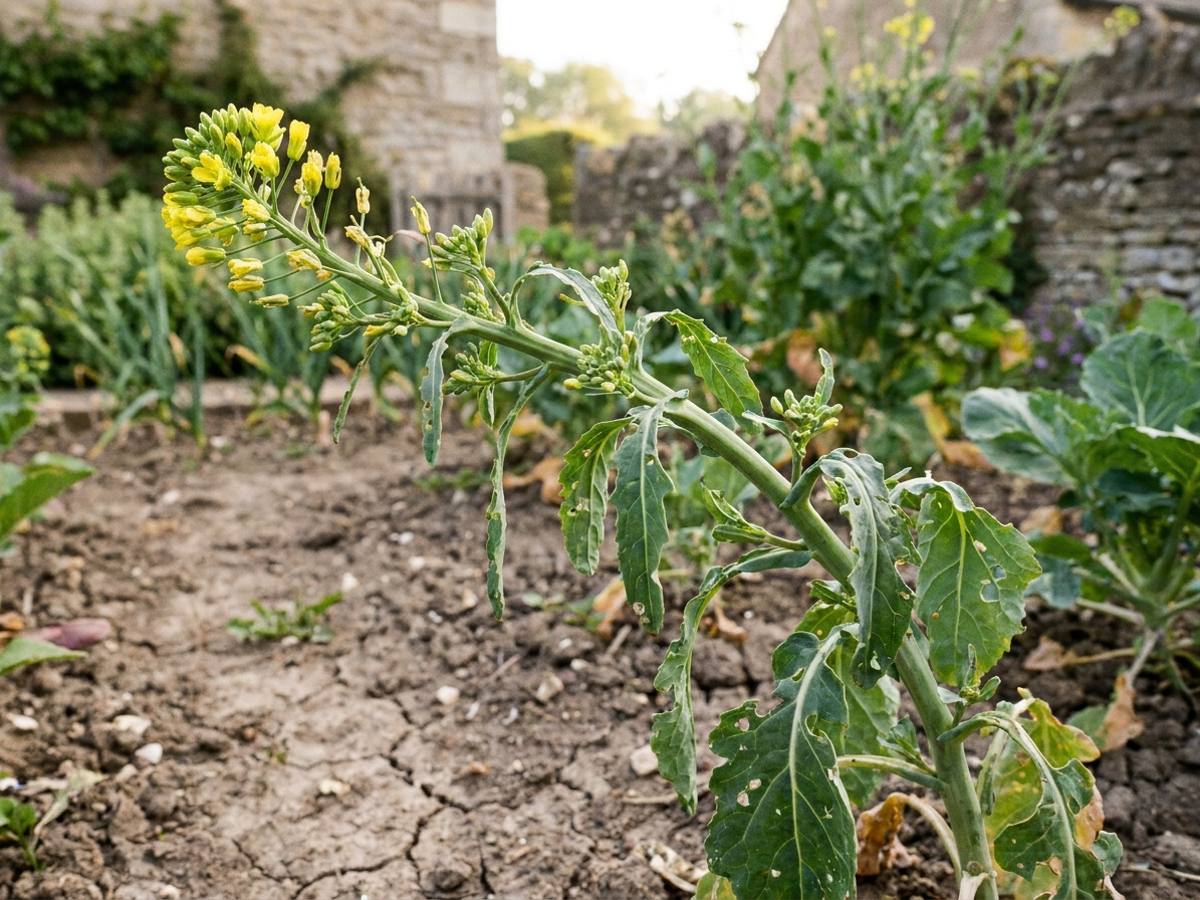
Your summer broccoli and kale are flowering weeks early, and you’re blaming the heat. Stop. The real culprit is day-length, and late summer is when you need to fix your autumn crop planning. Shade cloth won’t save you. The right variety choice, made at sowing, will.
Why late summer bolting ruins your autumn harvest
Across both the UK and US, gardeners are watching their brassicas – cabbage, broccoli, kale, and kohlrabi – flower prematurely just as summer heat peaks. This isn’t random failure. Brassicas are photoperiodic crops, meaning they respond to day-length, not just temperature. As daylight hours stretch through early summer and midsummer, certain varieties receive an involuntary signal to reproduce, and by late summer, bolting is already underway before your plants reach harvestable size.
Day-length versus temperature: the bolting truth
Most home gardeners assume heat causes bolting, so they plant shade cloth and hope. This tackles the wrong problem. Whilst high temperatures do accelerate bolting once it’s triggered, the trigger itself is photoperiod. A broccoli variety bred for spring harvest will flower when exposed to 14 to 16 hours of daylight, regardless of whether it’s 18°C or 28°C. If you sow heat-tolerant summer varieties in early summer or midsummer, they’ve already entered the long-day zone before germination, and you’ve essentially pre-programmed your crop to bolt.
The solution requires understanding your local latitude and choosing varieties specifically bred for autumn harvest. UK gardeners at 51 to 55 degrees north have different options than US growers in the Midwest or South. A variety that thrives in a Maine garden may fail in Georgia, because day-length triggers differ by hundreds of miles.
What to do in late summer: variety selection and sowing strategy
Late summer is the moment to plan and execute autumn brassica sowing with precision:
Select bolt-resistant autumn varieties by name. Look for ‘Autumn Benicia’ broccoli, ‘Kaleidoscope’ kale, or ‘Autumn Pride’ cabbage. Check seed packets for “late season” or “autumn harvest” labels, and confirm maturity dates fit your first frost date.
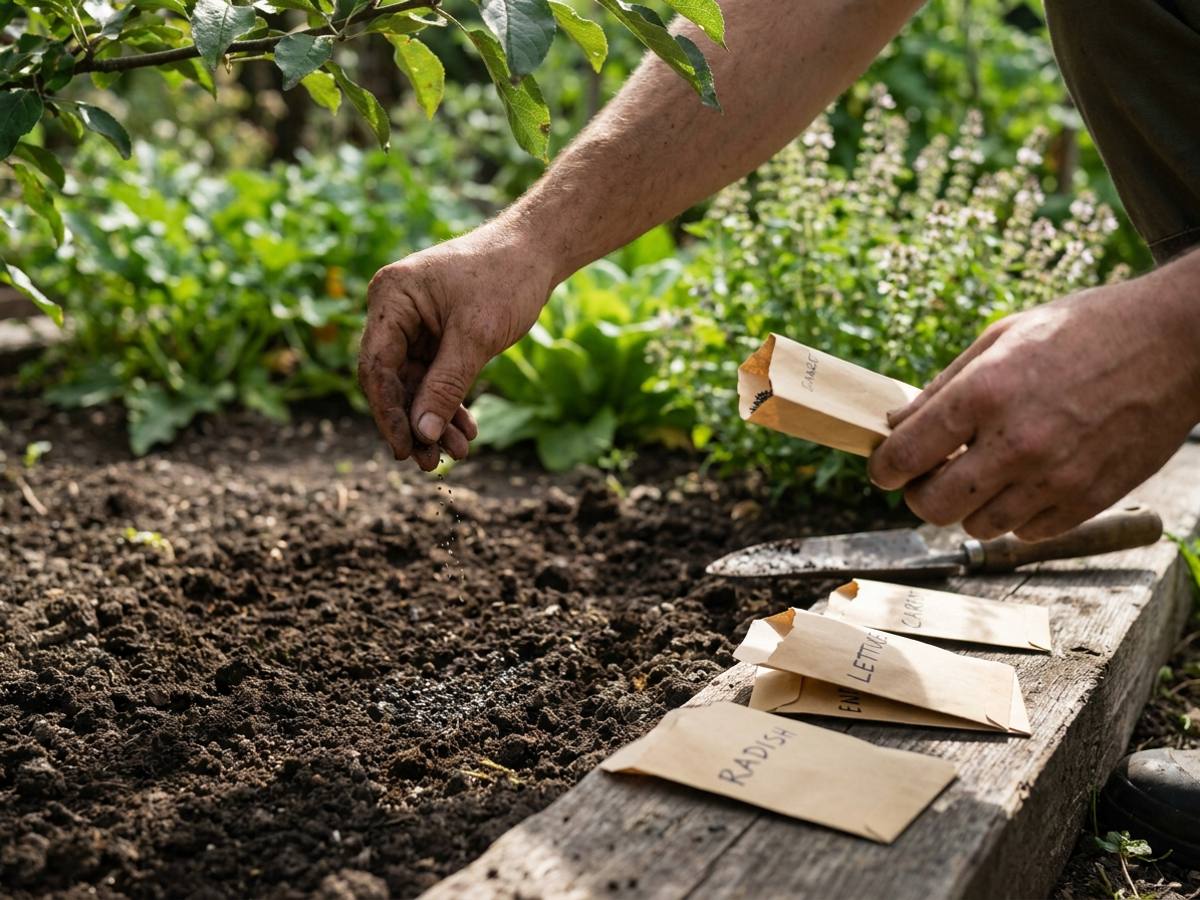
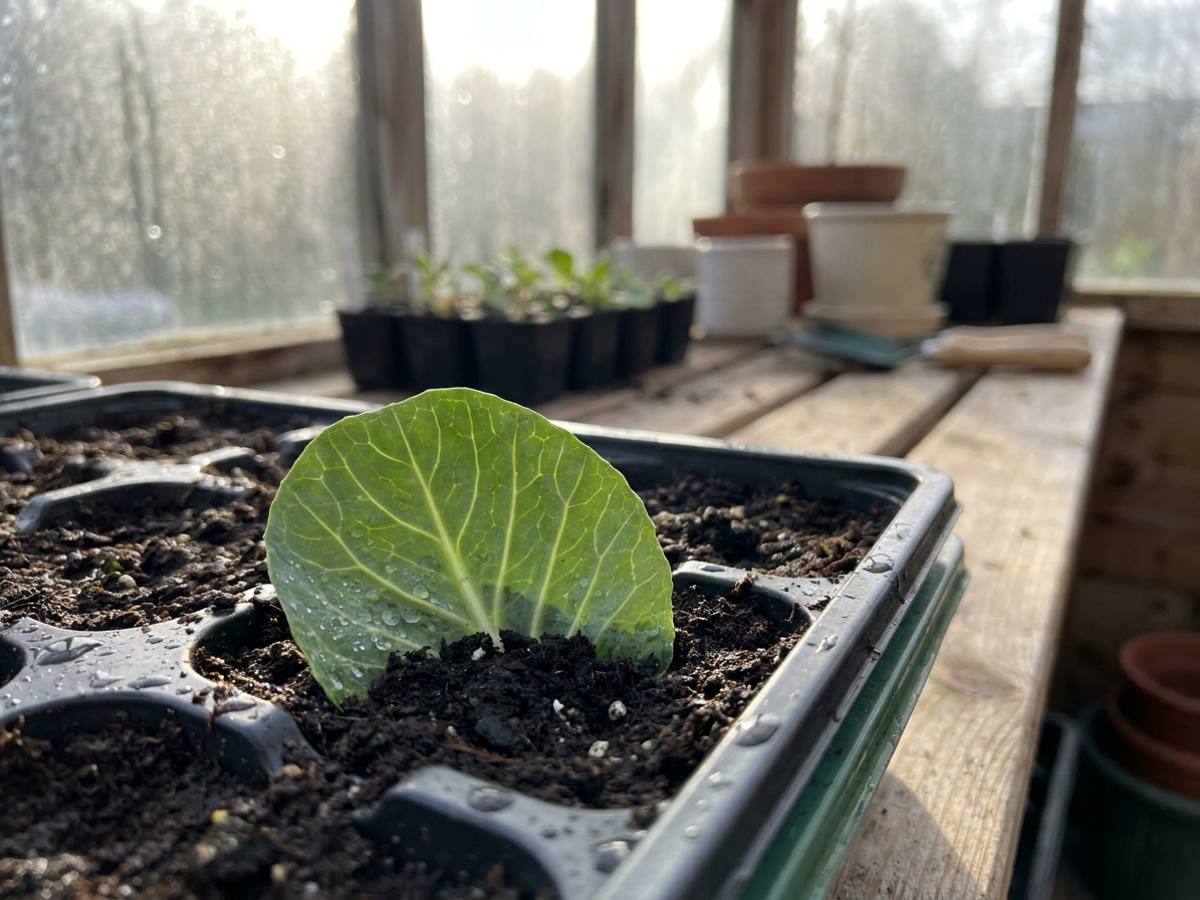
Sow indoors in late summer for transplanting in early autumn. This delays seedling exposure to peak day-length and allows plants to establish before the photoperiod window closes.
Calculate backwards from your first frost date. Broccoli needs 55 to 100 days depending on variety. If your first frost arrives 1 mid-autumn, sow by early summer for transplants, or direct sow by early summer at the absolute latest in the UK.
Use shade cloth, but only as a supplementary tool. A 30% shade cloth cools soil by 2 to 4°C and reduces heat stress, but it cannot override photoperiodism. Use it alongside the right variety choice, not instead of it.
What to watch for in early autumn and beyond
Monitor your transplants closely as days shorten through early autumn and mid-autumn. Healthy autumn brassicas should reach harvestable size before day-length drops below the bolting threshold, typically around 12 hours in late autumn. Inspect leaf axils weekly for flower bud development, and harvest outer leaves or entire heads as soon as they reach size, rather than waiting for perfection.
Premature flowering points to day-length, not summer heat
🌿 Nature & Garden Newsletter
Gardening tips, recipes & seasonal advice, twice a week.