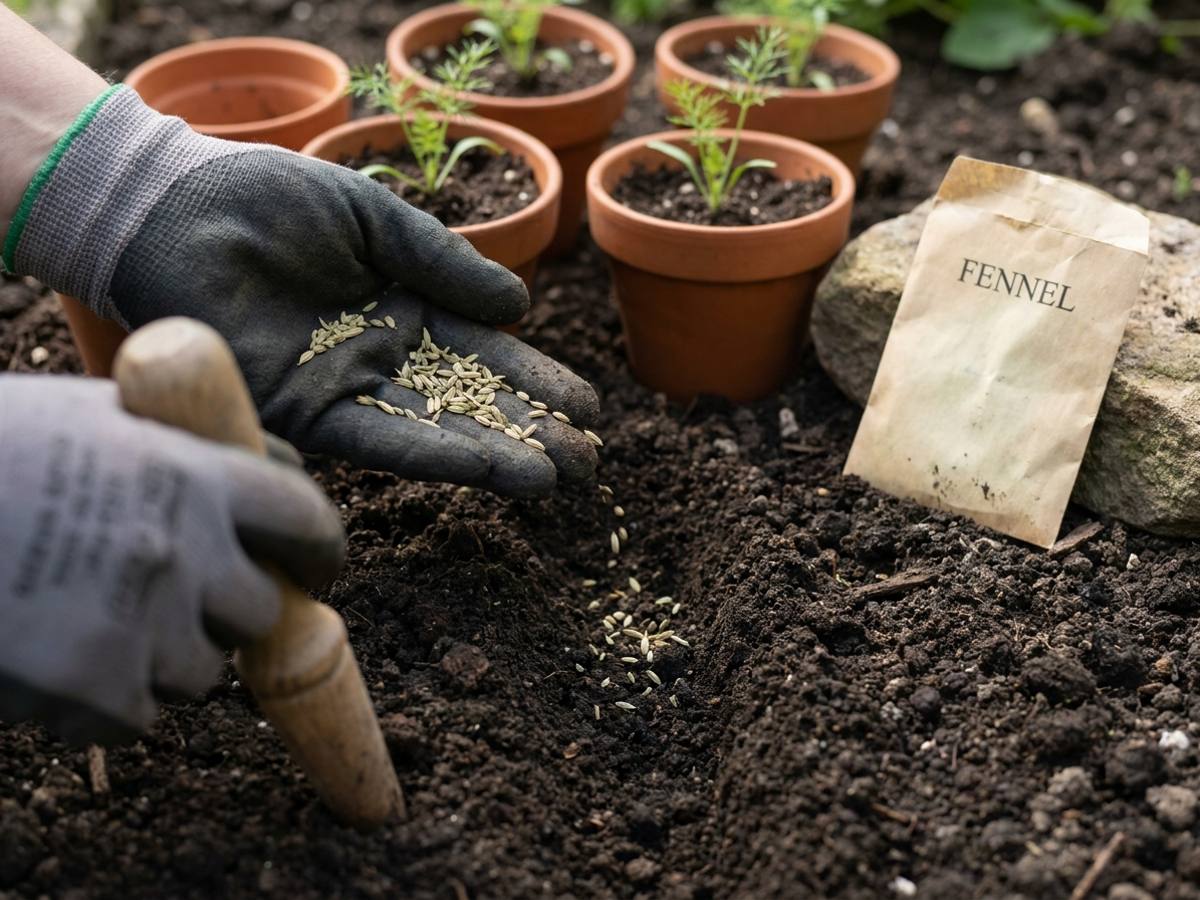
Fennel is no longer just a culinary herb. Across the UK and North America, gardeners are sowing seeds this August with one goal in mind: feeding migrating swallowtail butterflies in late summer. New phenology research shows that timing fennel sowings now creates a nutritious plant just as these delicate travellers pass through gardens in September, offering a quiet but powerful way to support one of nature’s most enchanting insects.
As summer heat lingers and many gardeners are deadheading rather than sowing, something crucial is shifting in the wider landscape. Swallowtail butterflies across both regions are entering their late-summer migration phase, moving through gardens in search of nectar and, crucially, larval food plants. August is the exact moment when a late fennel sowing will germinate and establish enough foliage to support caterpillars and provide nectar for adults within the next six to eight weeks.
This timing aligns with what butterfly ecologists have discovered through tracking studies: fennel’s volatile compounds peak in early autumn, making it more attractive to migrating adults precisely when they need energy for their journey southward.
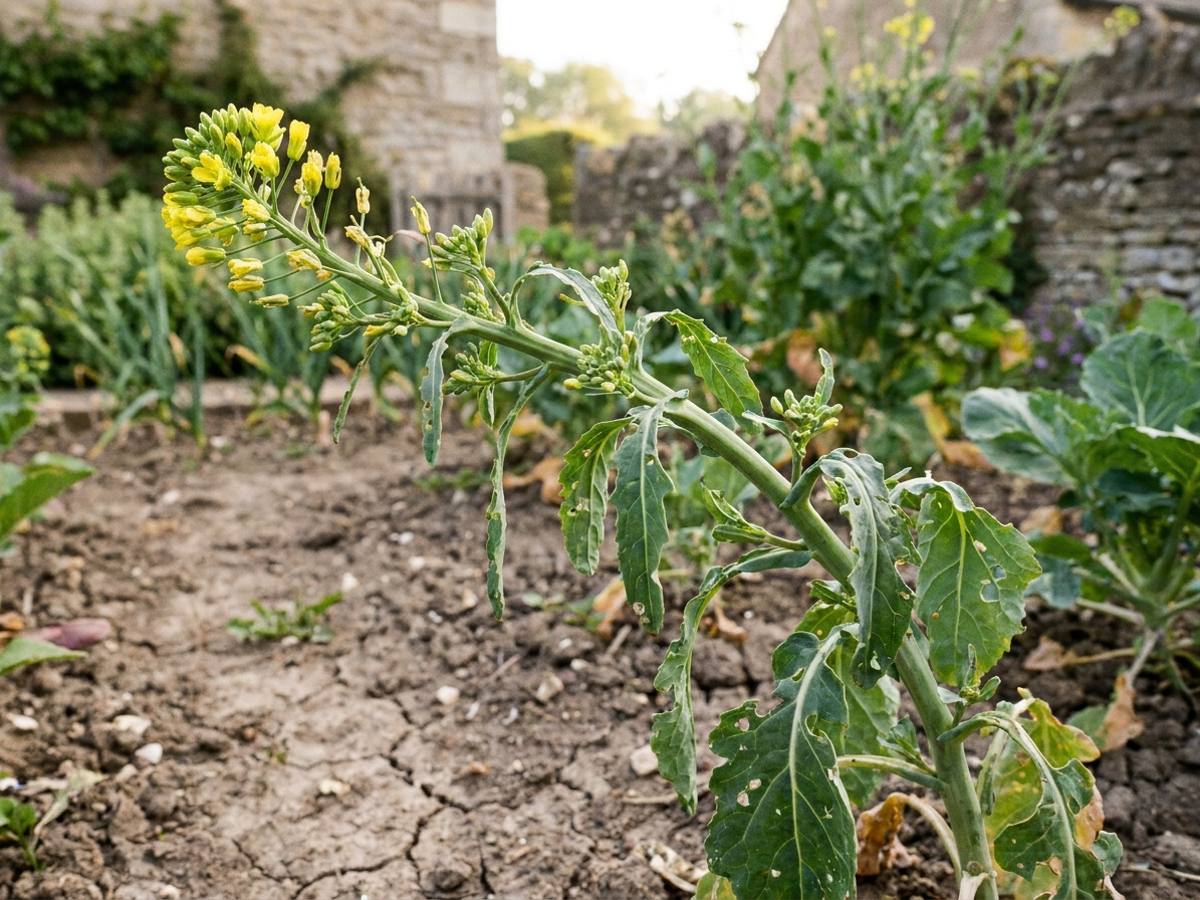
Fennel serves two roles in the swallowtail lifecycle. Adult swallowtails feed on its delicate yellow flowers, whilst the caterpillars of both Old World (Papilio machaon) and New World species (Papilio polyxenes) rely on fennel foliage as their primary host plant. A single mature fennel plant can support multiple caterpillars through their entire development, and the same plant flowers prolifically enough to fuel migrating adults for days.
Research from the University of Massachusetts has shown that gardens with fennel present swallowtail counts up to 40 per cent higher during autumn migration windows compared to fennel-free gardens. The herb is also remarkably hardy once established, self-seeding for future seasons and requiring minimal maintenance.
A late fennel sowing runs through a predictable sequence, from germination to butterflies emerging the following year. Use the table to know what to look for at each stage, and when to leave the plant alone.
| Stage | When | What to look for | What to do |
|---|---|---|---|
| Sowing and establishment | Late summer | Seedlings and feathery foliage building up | Sow now for foliage and nectar within six to eight weeks |
| Flowering and adult nectaring | Early autumn | Migrating adults feeding on the yellow flowerheads | Leave flowers uncut as a fuel stop for migrants |
| First caterpillars | Three to four weeks after flowering begins | Tiny striped larvae on leaf undersides | Check leaf undersides; leave inner growth unharvested |
| Chrysalis formation | Early autumn | Chrysalises attached to the stems | Stop cutting stems entirely |
| Overwintering and emergence | Early winter through to early spring | Brown, faded stems still carrying chrysalises | Keep the plant standing until butterflies emerge |
Read the table as one continuous season: the plant you sow for caterpillars is the same plant that shelters next year’s butterflies.
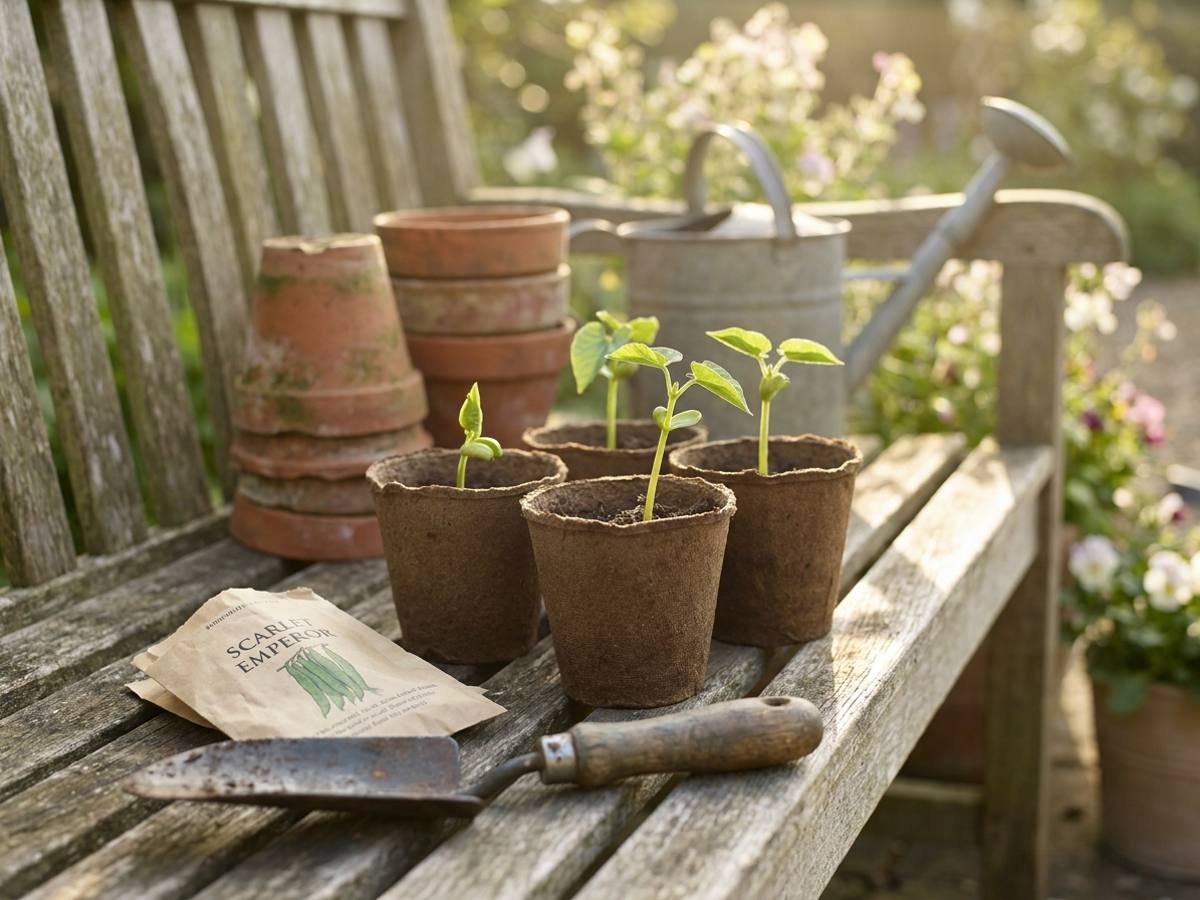
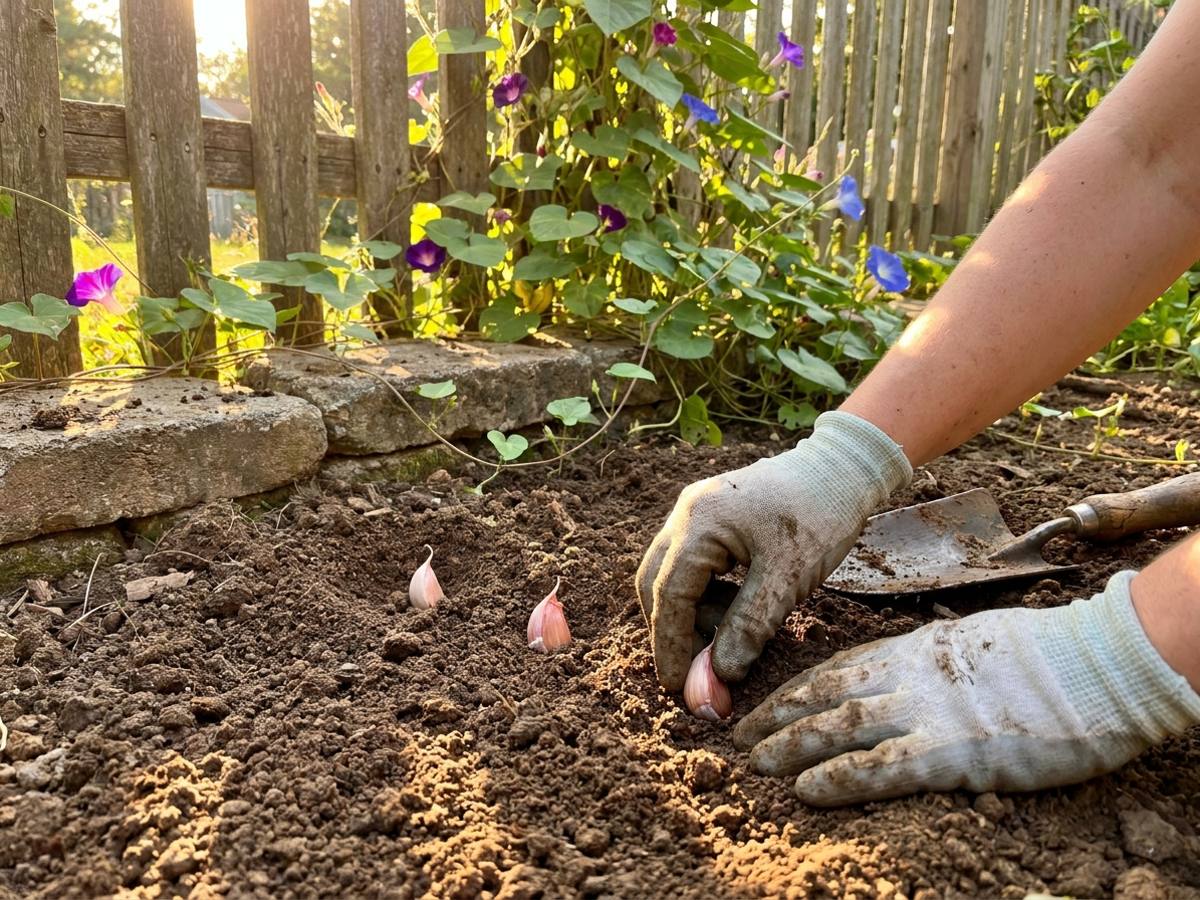
If you want fennel flowering and leafy by September, follow these steps this week:
Over the next six weeks, observe your fennel closely. The first signs of caterpillar activity, tiny striped larvae on leaf undersides, usually appear within three to four weeks of flowering beginning. By late September, you may see chrysalises forming on stems, a sign that the next generation of swallowtails is developing in your garden. Keep your fennel standing through autumn and into winter, even as stems brown and fade; overwintering chrysalises will emerge as fresh butterflies in spring.