Forget spring sowing. As August heat peaks and water becomes precious, gardeners across the UK and North America are ditching the traditional spring calendar and discovering that late-summer seed sowing delivers faster germination, stronger seedlings, and abundant autumn harvests. This seasonal shift is reshaping how climate-conscious growers plan their year.
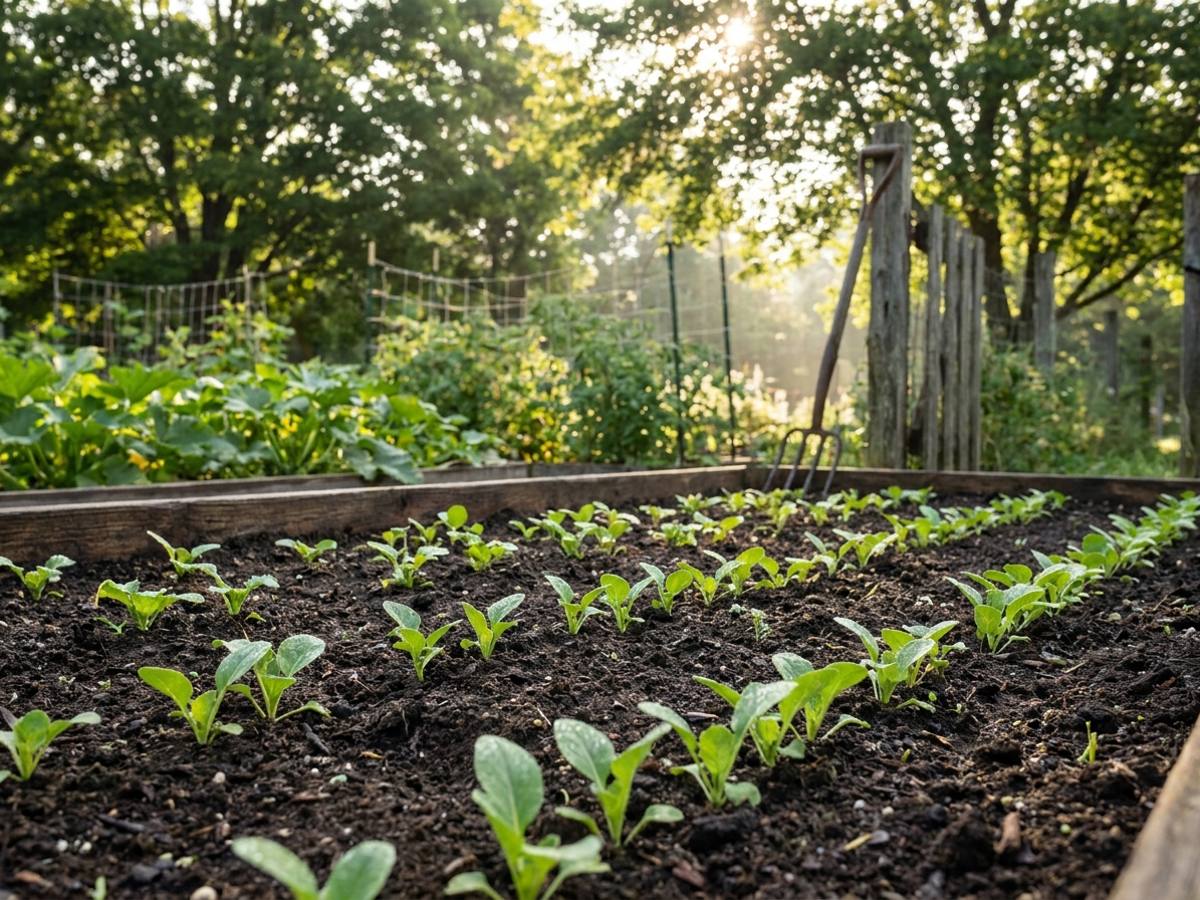
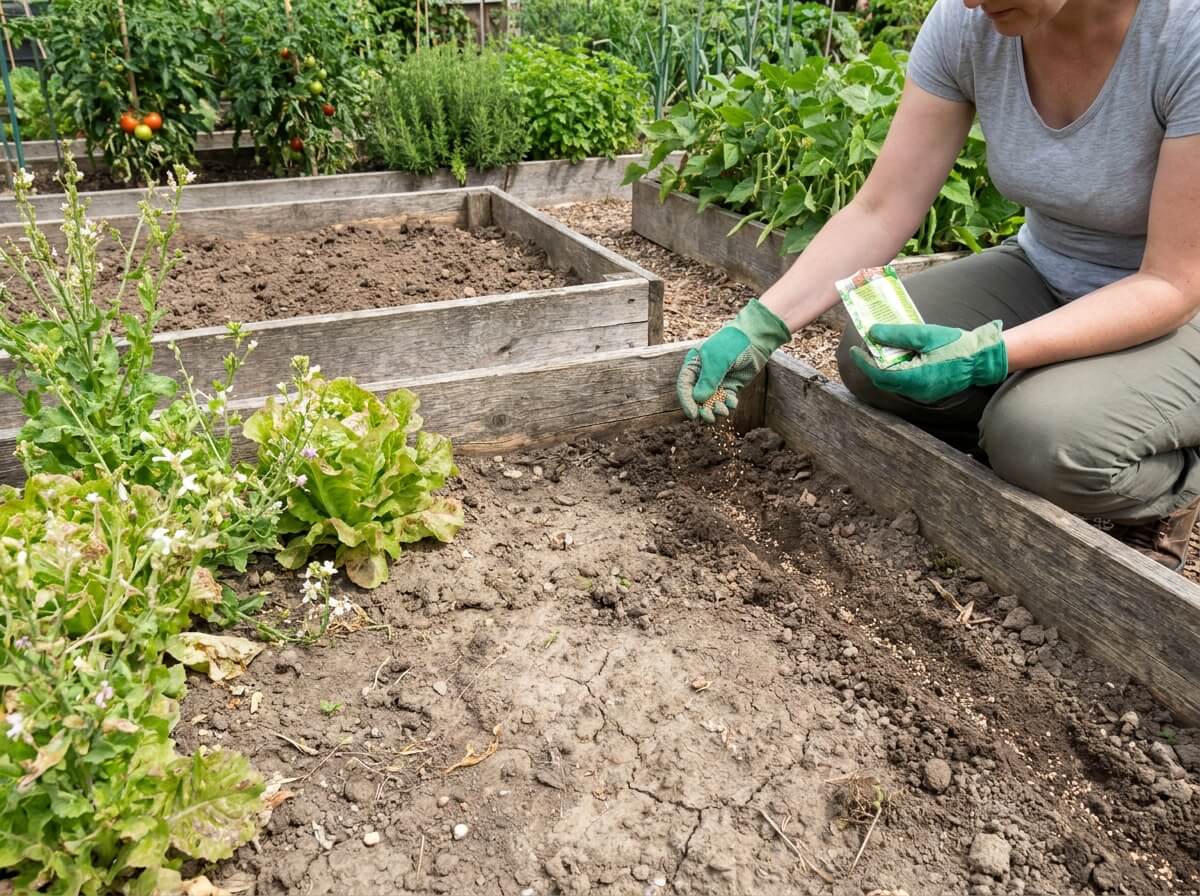
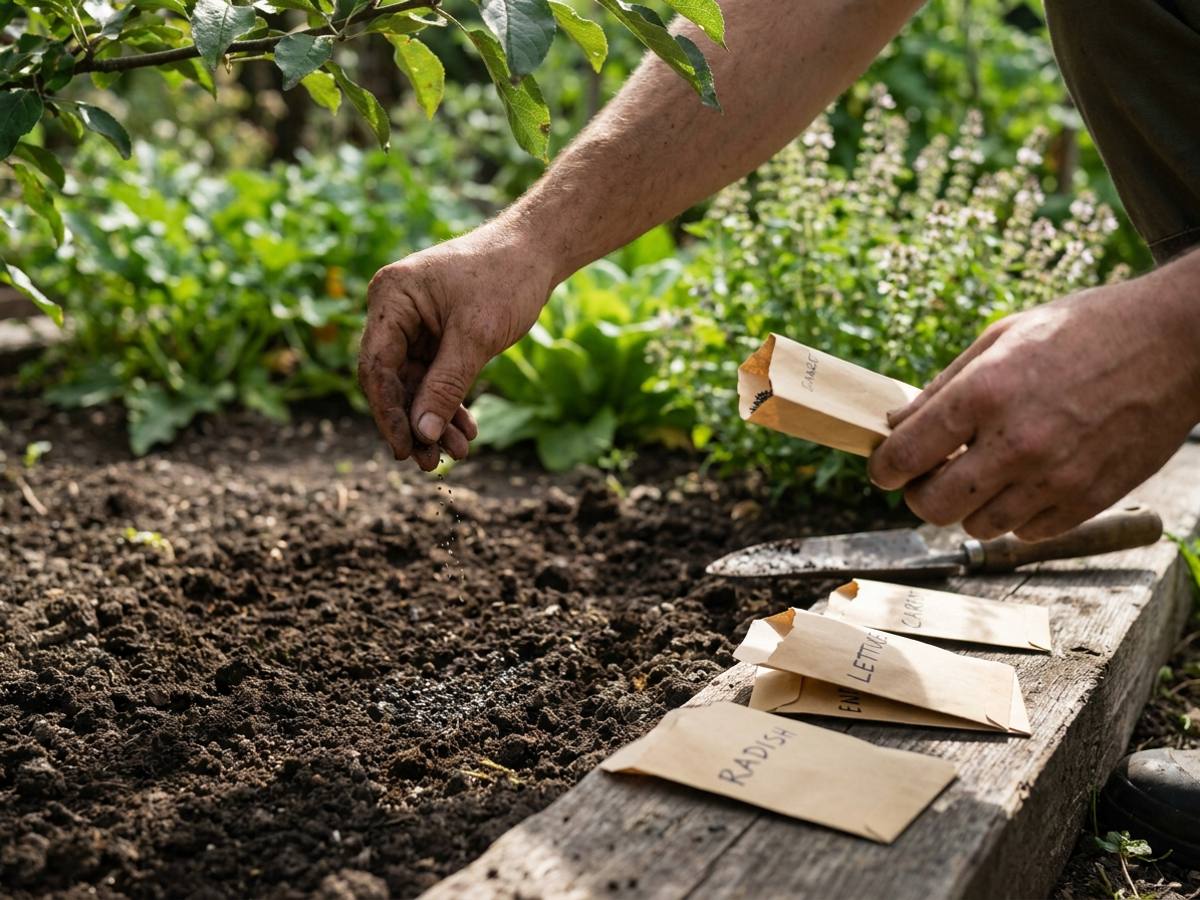
Right now, as thermometers stabilise in late August and daylight hours noticeably contract, soil temperatures remain warm enough to trigger rapid germination whilst air temperatures cool enough to prevent seedlings from bolting. Across UK allotments and American kitchen gardens, gardeners are sowing leafy greens, root vegetables, and brassicas with remarkable success. The shift from scorching July to gentler August conditions creates ideal conditions that spring simply cannot match.
Spring-sown crops battle against lengthening days, rising temperatures, and unpredictable weather swings. Late-summer sowings, by contrast, germinate quickly in warm soil, then develop steadily as temperatures drop and days shorten, reducing heat stress and pest pressure significantly. Research from the University of Reading shows autumn-sown lettuce varieties demonstrate 30 percent faster establishment than spring equivalents, with notably lower bolting rates.
Water restrictions, now common across both the UK and US during summer months, make August sowing strategically smart. Autumn crops require substantially less irrigation than spring plantings because cooler temperatures and increased rainfall mean gardeners spend less time hand-watering and more time harvesting. This timing addresses genuine climate pressures facing home growers today.
The window for late-summer sowing is narrow, so act decisively this month with these specific steps:
Watch soil moisture carefully as August transitions into September. Whilst temperatures drop, evaporation continues, and young seedlings need consistent conditions. In the coming weeks, monitor for slug activity, which intensifies as humidity rises, and be prepared to provide shade cloth on exceptionally warm days above 25°C. By October, your August sowings will deliver genuine harvests whilst spring-sown gardens fade, proving that gardeners willing to shift their calendar reap genuine rewards.