Harvest squash before the first frost: timing and curing guide
0
The window for harvesting winter squash closes fast once frost arrives. October is your critical moment to identify mature fruit, cut stems cleanly, and begin the curing process that unlocks six months of storage potential. Get the timing wrong, and a single hard frost can rot your entire crop within days.
Why October marks the final countdown for squash growers
Across the UK and northern United States, the first hard frost typically arrives between late October and early November, depending on your region. In southern England and the US Mid-Atlantic, this window extends slightly longer, whilst Scottish and northern US gardeners face an earlier deadline. Right now, whilst temperatures still hover above freezing, is when mature squash remains harvestable and curable.
The ripeness puzzle: how to spot a harvest-ready squash
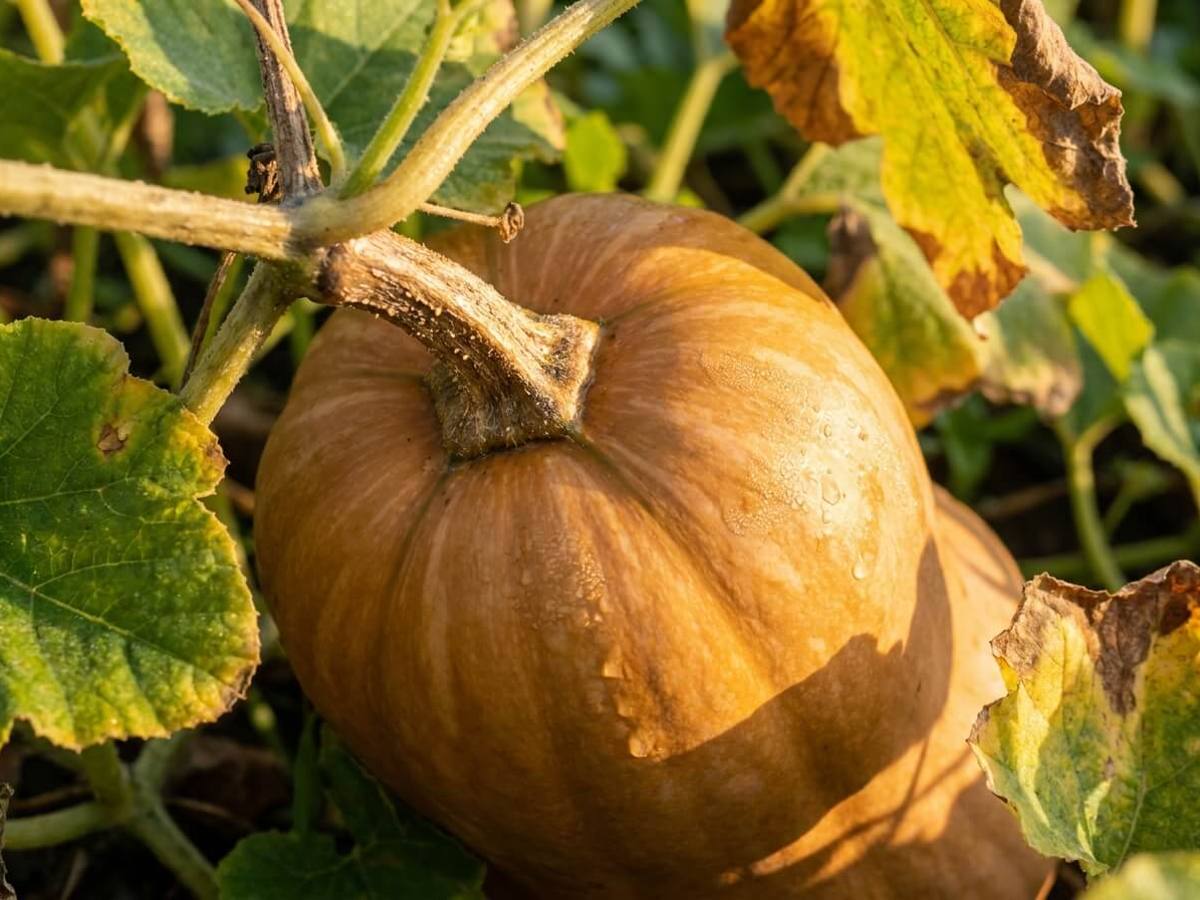
Most gardeners harvest squash too early, mistaking size for maturity. A truly mature winter squash has a hard, thick rind that resists fingernail pressure, a dulled skin colour rather than glossy finish, and a woody, cork-like stem that snaps rather than bends. The ground spot where the fruit rested should be deep orange or tan, not pale yellow.
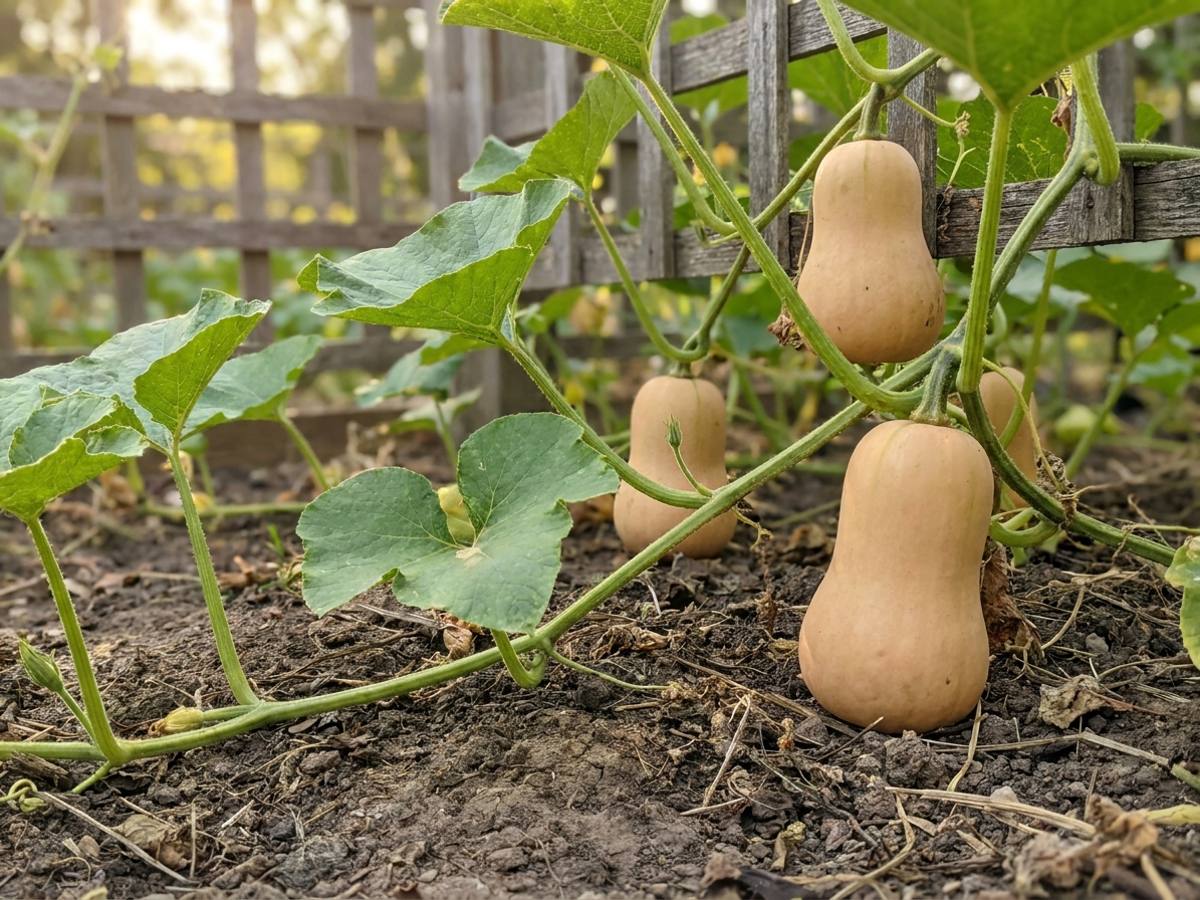
Butternut, Hubbard, and Crown Prince varieties typically mature 80 to 120 days after planting, depending on variety and growing conditions. Check your seed packet or planting notes to calculate your own window. If frost threatens and your squash still feels soft, harvest anyway. A slightly immature squash cured properly will develop better flavour than one damaged by cold.
Your October harvest and curing checklist
Follow these steps to secure a winter harvest that lasts into spring.
Cut squash with sharp secateurs or a knife, leaving a 5 to 8 centimetre stem attached. Never pull or twist fruit from the vine, as this damages both squash and plant.
Wipe each squash with a dry cloth to remove soil and debris, but do not wash. Any moisture invites rot during storage.
Place squash in a warm, dry, well-ventilated space with temperatures between 20 and 27°C for seven to ten days. This curing phase hardens the skin and seals minor cuts or abrasions.
After curing, move squash to cool storage between 10 and 15°C with humidity around 50 to 70 percent. A garage, cellar, or garden shed typically provides ideal conditions.
Monitoring your crop as frost approaches
Watch weather forecasts closely in the weeks leading up to the first expected frost in your region. If temperatures drop below 10°C overnight, bring all remaining squash indoors immediately, even if they are not fully mature. Check stored squash weekly for soft spots or mould, removing any affected fruit promptly to prevent spread.
🌿 Nature & Garden Newsletter
Gardening tips, recipes & seasonal advice, twice a week.