August is peak harvest season, and deliberate spring sowing has just paid dividends for one UK gardener whose grocery bill dropped by £180 in a single month. By staggering sowings across April, May, and early June, she grew enough tomatoes, courgettes, beans, and leafy greens to stock her kitchen and preserve surplus for autumn. If you sowed succession crops earlier this year but haven’t yet calculated their worth, now is the moment to count the savings.
In August, across the UK and northern US, gardens hit peak productivity. Tomatoes are ripening en masse, bean plants are at their height, and courgettes seem to multiply overnight. This is not by accident, it is the result of sowing decisions made four to five months earlier.
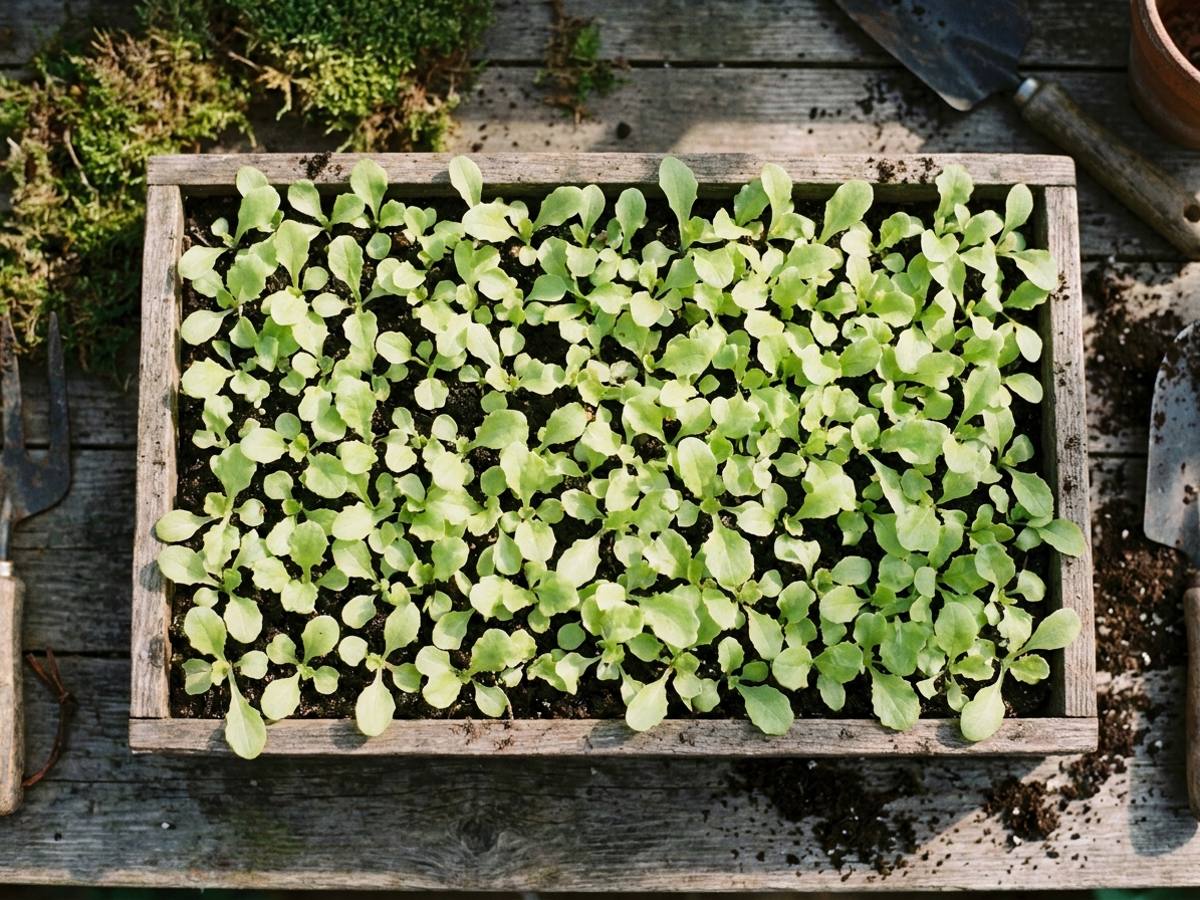
Most home gardeners sow once and hope. Those who succession sow, planting the same crop every two to three weeks between April and early July, unlock something powerful: abundance spread across weeks rather than concentrated in a single week, and a harvest window long enough to preserve, share, and genuinely reduce supermarket visits.
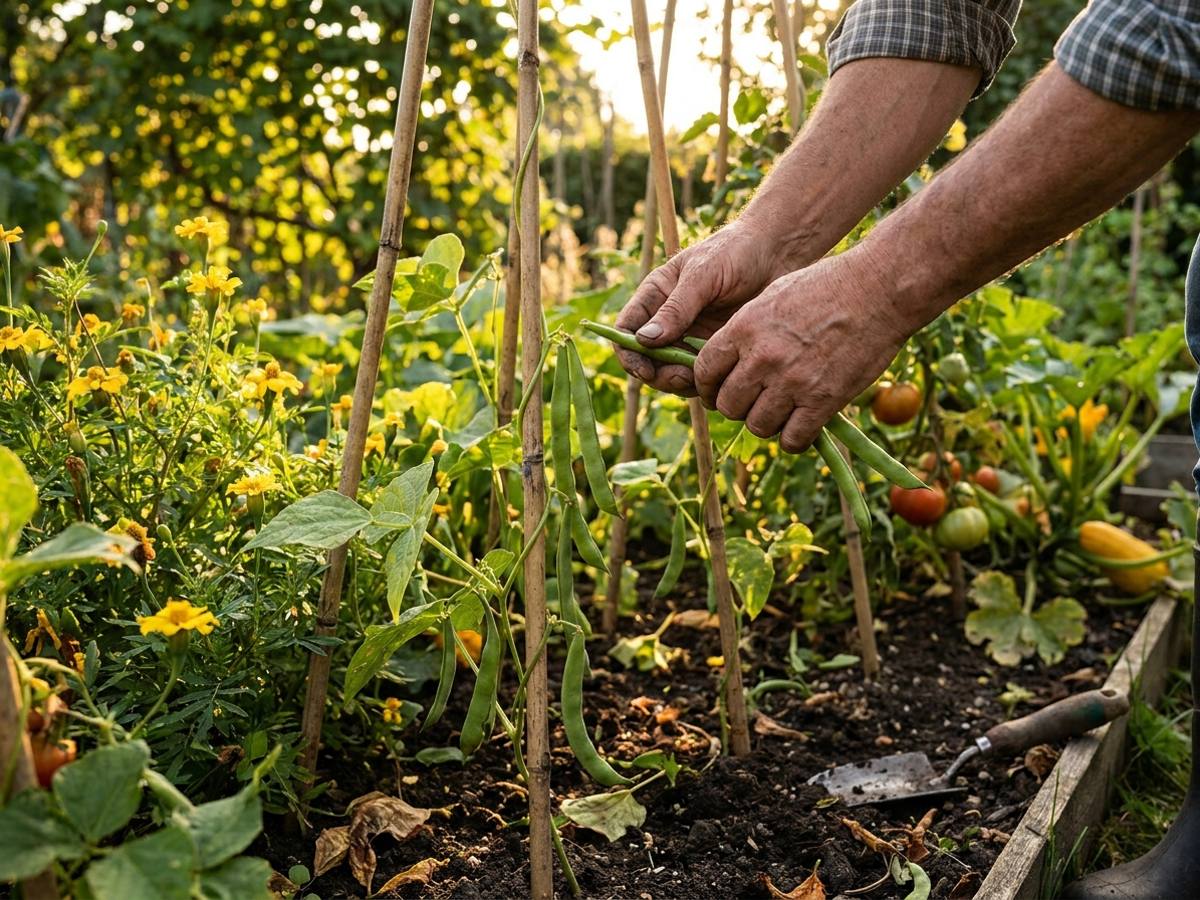
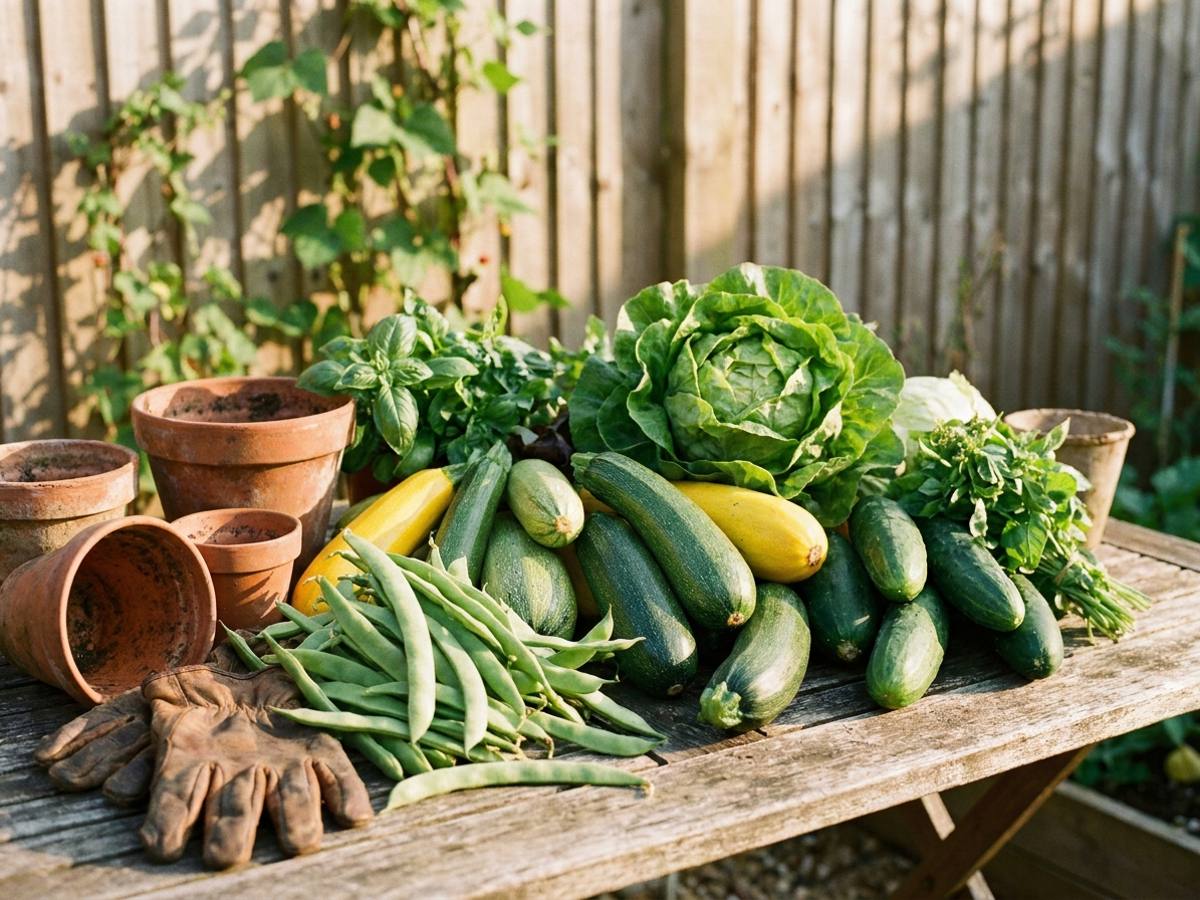
One gardener in Kent documented her summer strategy and the financial impact. She sowed dwarf beans three times (late April, mid-May, early June), courgettes in three batches, and tomatoes in two sowings. By August, her household had harvested 34 kg of tomatoes, 18 kg of courgettes, 12 kg of beans, and enough lettuce, chard, and basil to eliminate weekly salad purchases.
At current supermarket prices, that haul would have cost approximately £240. After accounting for seeds, compost, and water, her net saving came to £180. More importantly, she preserved 8 kg of tomatoes as sauce and paste, froze 6 kg of beans, and pickled courgettes for winter use. Her freezer and store cupboard are now stocked through to November.
If you sowed succession crops in spring, these steps will help you capture maximum value this month.
As August progresses into early autumn, nights lengthen and soil moisture becomes less predictable. Keep a close eye on watering schedules, particularly for container tomatoes and courgettes, which demand consistent moisture. Begin planning autumn sowings now: leafy greens, root crops, and garlic will occupy the space left behind as summer crops wind down.
The abundance you are seeing now is the direct result of planning and patience. That same discipline, applied now to autumn sowings, will keep your kitchen stocked well into winter.