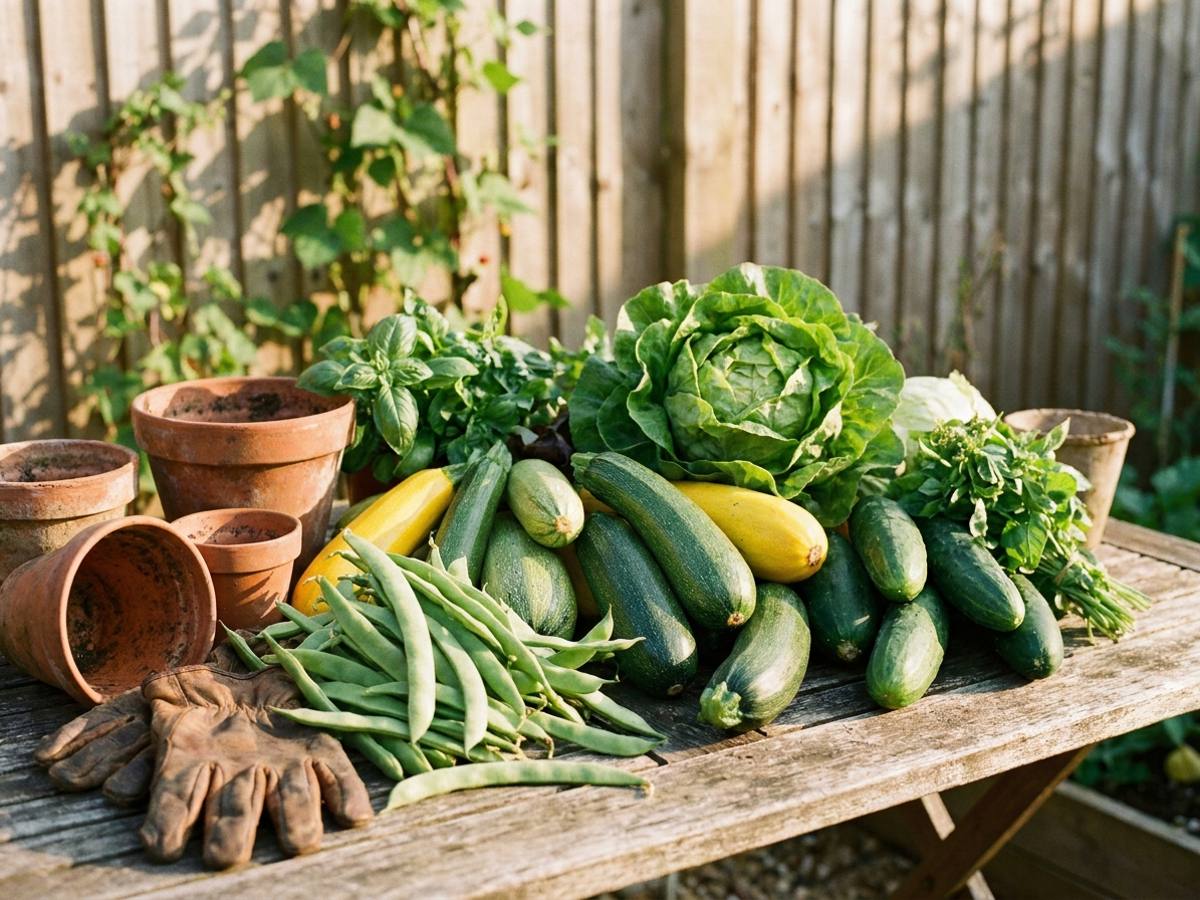
Throw away the thinning advice your grandmother gave you. New growers across the UK and US are discovering that crowded lettuce seedlings produce sweeter, more tender leaves than conventionally spaced plants. If you’re sowing autumn lettuce now, this August revelation could transform your autumn harvest.
August is peak sowing season for autumn and winter lettuce across both the UK and North America. Gardeners rushing to get seedlings into cells before September often follow the traditional rule: one seedling per cell, thinned ruthlessly at the cotyledon stage. But this month, as temperatures remain warm and growing conditions favour rapid development, there is a genuine opportunity to test a different approach.
With 12 to 16 weeks until the first frosts, lettuce has time to prove itself under crowded conditions before the real test of winter arrives.
Home growers and small-scale market gardeners report that moderately crowded lettuce, with two to four seedlings per cell or block, develops noticeably sweeter leaves and a more delicate texture than conventionally spaced plants. The reason appears linked to competition for light and nutrients, which triggers stress responses that increase sugar production and slow leaf expansion, creating a finer, more tender product.
A grower in Kent recently trialled this method and found that crowded seedlings, when transplanted and thinned slightly in the garden, matured into heads with better flavour than single-seedling controls grown alongside. The leaves remained tender even as plants reached full size. Traditional spacing advice, rooted in preventing fungal disease and maximising leaf size, may have sacrificed palatability in favour of vigour.
This challenges decades of horticultural guidance, yet the mechanism is sound: mild competition early in development can trigger beneficial metabolic shifts.
If you are sowing now, consider these practical adjustments to your usual routine:
Over the next four to six weeks, observe how your crowded seedlings respond to autumn light and temperature changes. Early September will reveal whether they establish more vigorously than spaced controls. Keep notes on flavour when you harvest in October and November, comparing taste and texture directly with any conventionally spaced lettuce you are growing simultaneously.