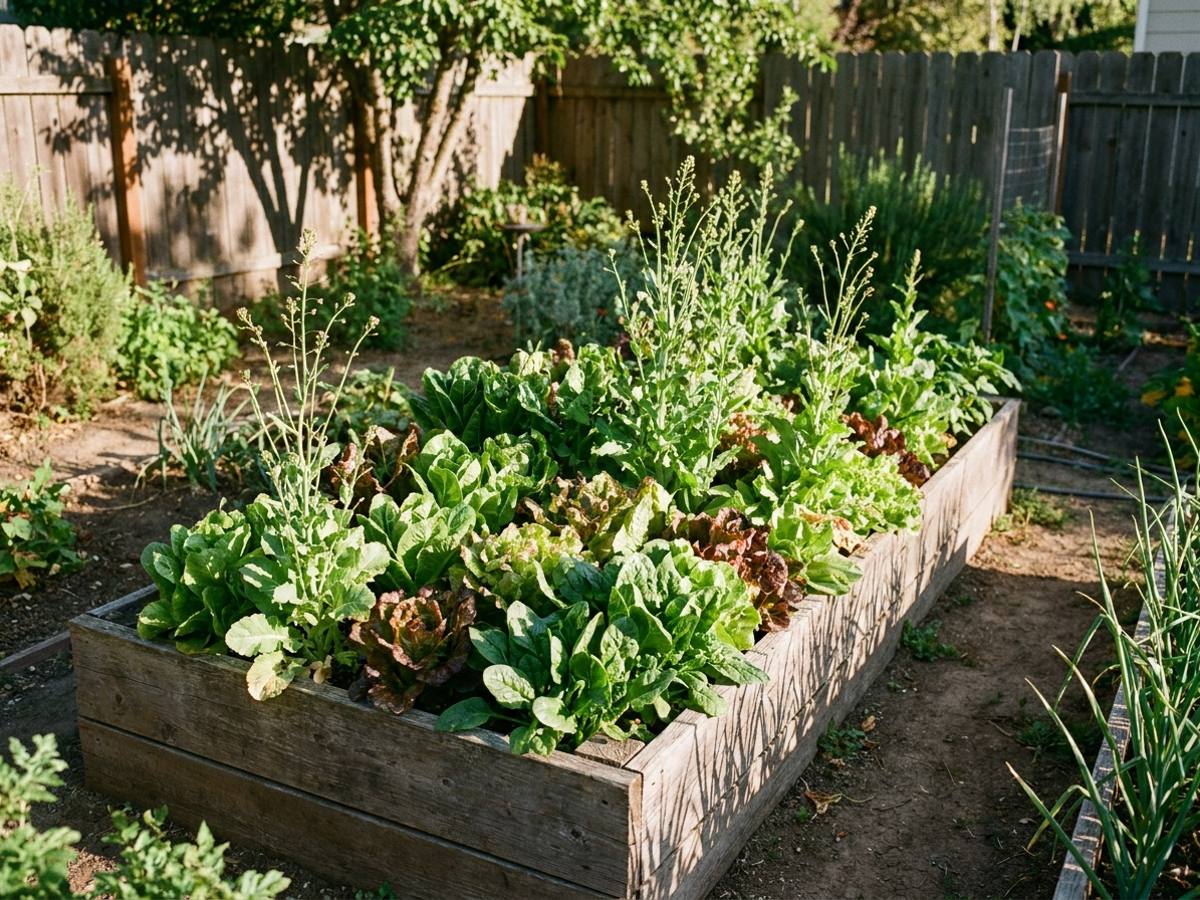
Late summer heat is your lettuce’s enemy. As temperatures soar, your spring-sown leaves are racing to flower, cutting your harvest window short. The good news? You don’t have to give up leaf crops now. Smart variety choice and clever shading can keep you picking crisp, tender lettuce well into autumn whilst your neighbours abandon their beds.
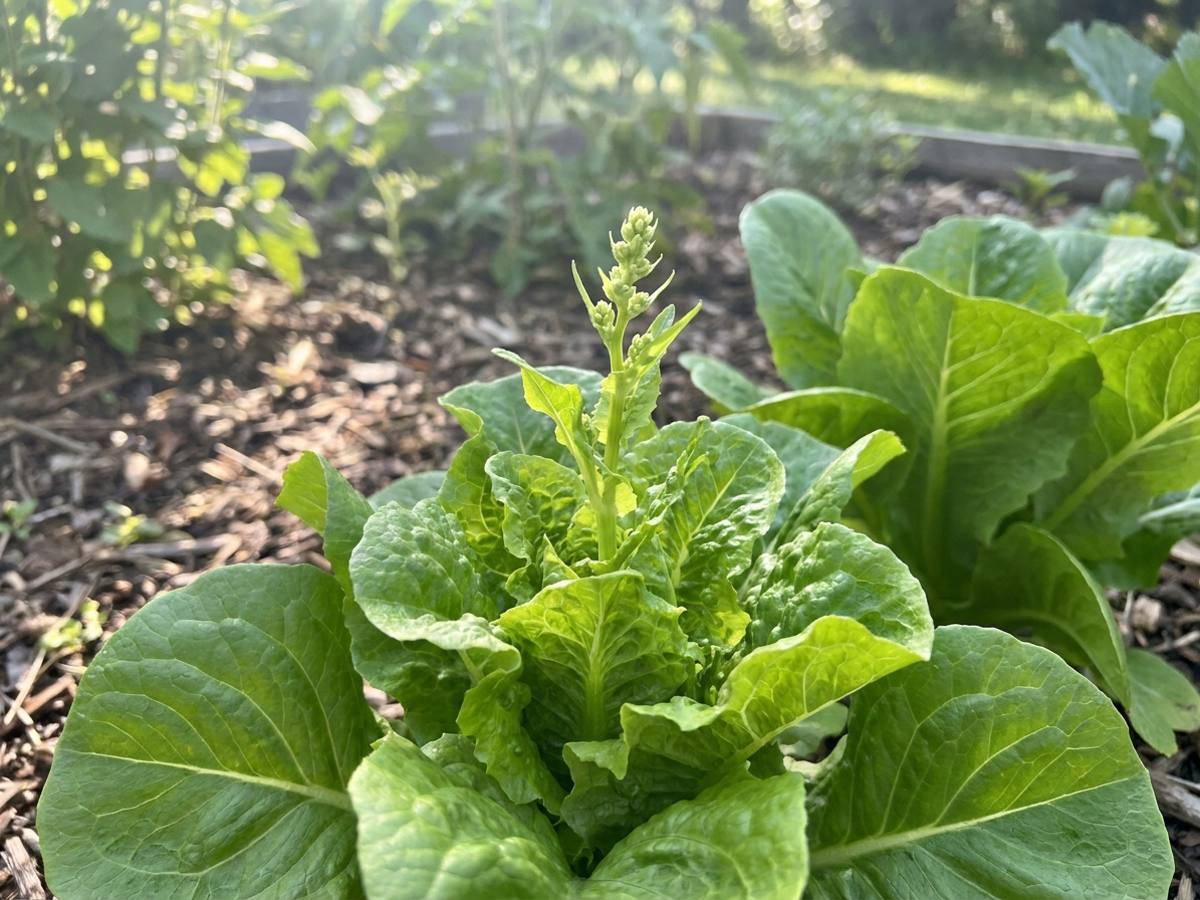
In midsummer, across both the UK and US, gardeners watch their prized lettuce plants suddenly shoot upwards, turning bitter and inedible. Late summer temperatures regularly exceed 25°C in the UK and climb into the 30s across much of America, triggering lettuce’s genetic programming to flower and set seed before the season ends. This hormonal shift happens fast, sometimes within days of a heat spike.
Lettuce bolts because heat triggers the production of gibberellin, a plant hormone that commands flowering. Once bolting begins, the leaves become tough, bitter, and distinctly unpalatable. Most gardeners assume they’ve failed, but bolting is actually a sign your lettuce is thriving, at least on a survival level. The real issue is timing: if you choose cold-season varieties or fail to shade your crop, you’re essentially working against lettuce’s natural cycle.
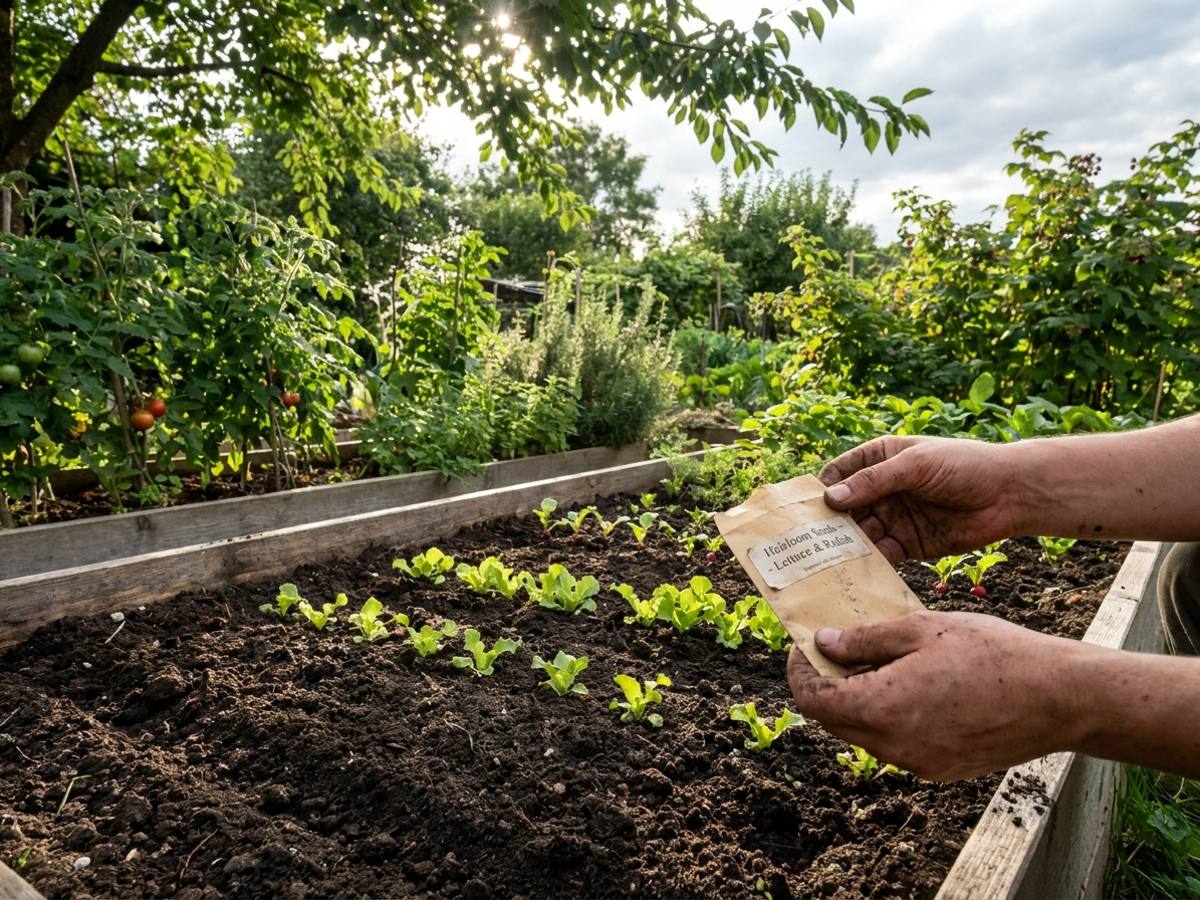
Some varieties are bred to resist bolting for longer periods. Catalogues rarely advertise this feature prominently, but heat-tolerant cultivars like ‘Salvius’, ‘Lollo Rossa’, and ‘Buttercrunch’ can tolerate late summer conditions for 2-3 weeks longer than traditional varieties. In trials across both regions, bolt-resistant types consistently outperformed standard iceberg types when temperatures remained above 25°C.
Start with these targeted interventions immediately if your lettuce is showing early signs of bolting:
Each of the four interventions attacks bolting from a different angle, and they stack well together. Use this table to decide which one to reach for first.
| Tactic | What you actually do | Effect on bolting |
|---|---|---|
| Bolt-resistant varieties | Sow seed marked for heat tolerance on the packet | Two to three weeks more picking than standard types |
| Shading | 30-50 per cent shade cloth, or beds in afternoon shadow | Keeps leaves out of the worst of the heat spike |
| Deep morning watering | Water deeply and consistently each morning | Removes the water stress that accelerates bolting |
| Cut-and-come-again picking | Take outer leaves often instead of waiting for hearts | Prolongs plant life and removes flowering signals |
Combined, they shift the crop from a race against heat to a steady supply of leaves.
Watch your newly shaded beds closely over the next three to four weeks. If temperatures begin to drop towards 20°C, bolting will slow dramatically and you’ll see a flush of new growth. In cooler regions of Scotland and the northern US, autumn lettuce can thrive by early autumn without any shading at all.