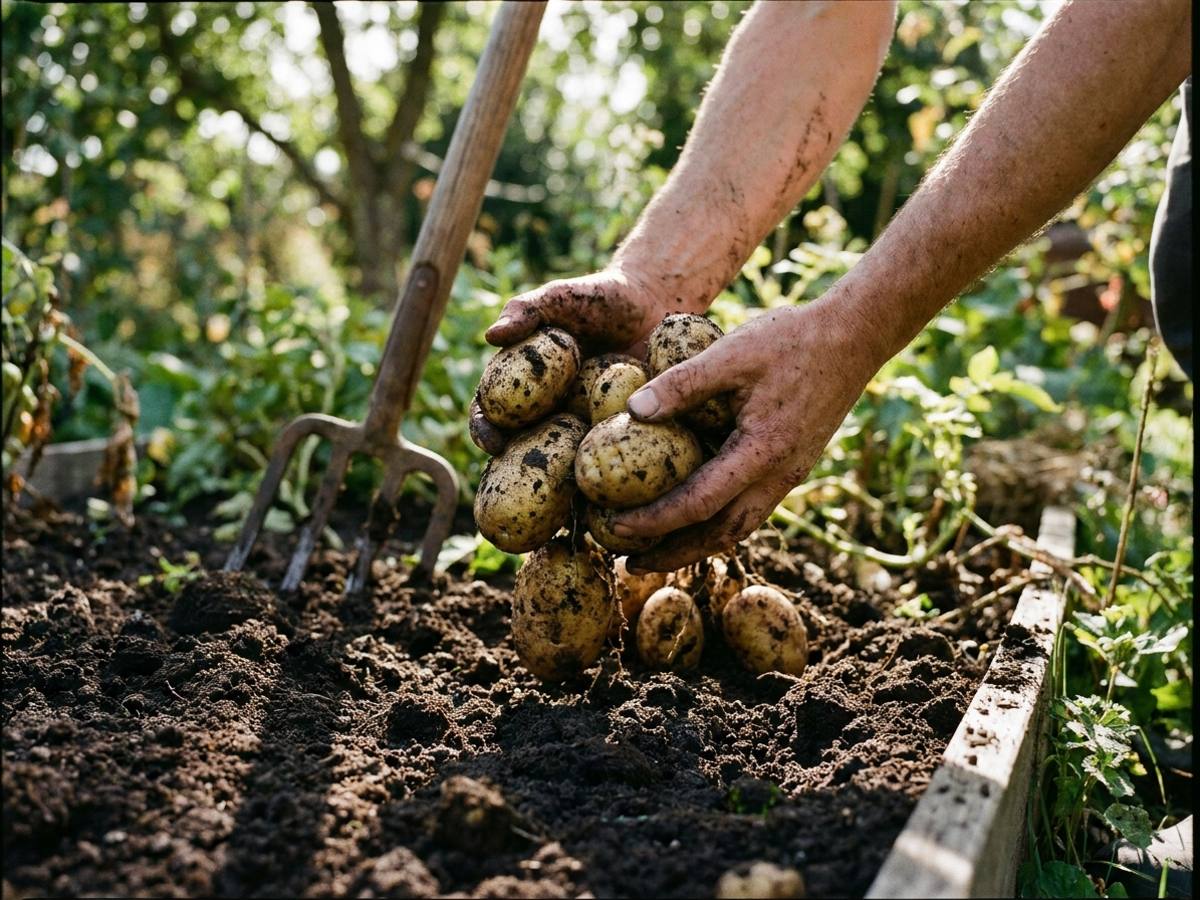
I harvested 18kg of potatoes from my back garden this late summer and saved £180 against supermarket prices. But the real story isn’t just the money, it’s the hidden costs of time, soil, and storage that nobody talks about. Here’s exactly what home potato growing costs, and whether it’s worth your effort.
Late summer is potato season across the UK and US, and millions of gardeners lift their crops covered in soil and expecting triumph. The reality is messier. Whilst shop-bought potatoes cost between £0.80 and £1.20 per kilogram in the UK, and $1.50 to $2.00 per pound in the US, home growers rarely calculate the full expense beyond the initial seed potatoes and compost.
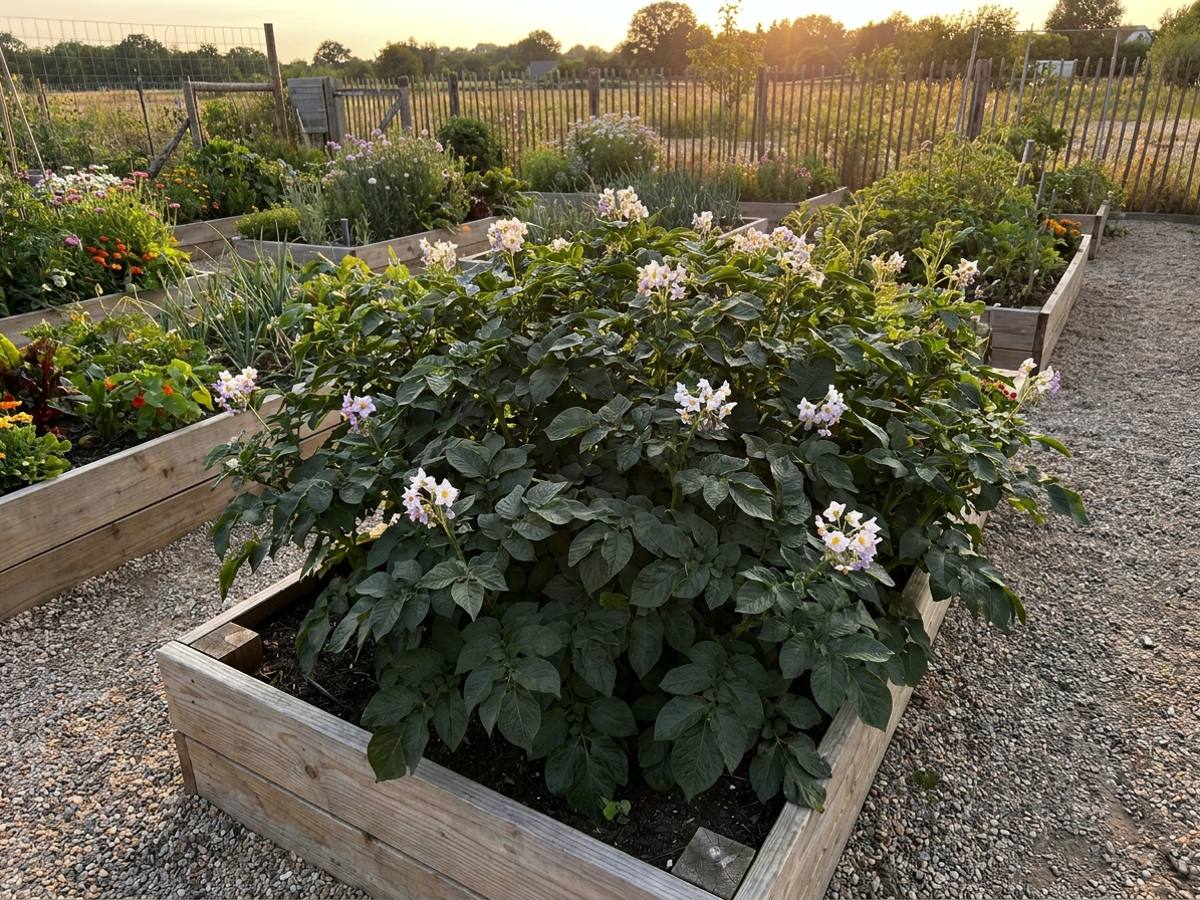
My experiment started in mid-spring with 2kg of seed potatoes at £8, three bags of compost at £15 each, and materials for a raised bed (timber, landscape fabric, hardware) totalling £45. Fertiliser, slug pellets, and plant supports added another £12. Total input: £104 for a single growing season in one raised bed measuring 1.2m by 0.6m.
The yield was impressive on paper, 18kg across three varieties, Maris Piper, Charlotte, and Sarpo Mira. At average supermarket prices of £1.00 per kilogram, that represents £180 in retail value. The maths suggests a £76 profit. But factor in labour, I spent roughly 20 hours weeding, watering, earthing up, and harvesting. At £15 per hour (a modest figure for skilled gardening work), that’s £300 in hidden costs. The real loss: £224. However, the compost, bed, and materials remain assets for next year, spreading costs across multiple seasons fundamentally changes the equation.
The same potatoes cost very different amounts depending on whether you are buying a bed or already own one. Here is how the three routes described above compare on outlay, yield and cost per kilogram.
| Approach | Up-front outlay | Yield | Cost per kilogram |
|---|---|---|---|
| Raised bed, first season | £104 in total, including a 1.2m by 0.6m bed, seed potatoes, compost and sundries | 18kg from three varieties | Can exceed £5.00 |
| Raised bed, second season onwards | Bed, compost and materials already owned; seed saved from your own crop | Savings of £150 to £200 | Seed cost close to nothing |
| Same bed, costs spread over three years | Infrastructure amortised rather than charged to one crop | Bed also carries garlic or spring onions in the off-season | £0.35 to £0.50 |
| Containers on a patio or balcony | £20 to £30 per container, plus quality potting compost | 2kg to 4kg per large pot | Less economical than a raised bed |
The pattern is consistent: the outlay only looks punishing when it is charged against a single season.
If you’re lifting potatoes now, here’s how to make the numbers work better next year:
The gardeners who genuinely save money growing potatoes aren’t the ones calculating single-season returns. They’re the ones who built beds five years ago, save their own seed, and factor the work as a hobby rather than employment. If you’ve already invested in infrastructure, next year’s harvest will genuinely save you £150 to £200. If you’re just starting, expect break-even at best in year one, but real savings from year two onwards.