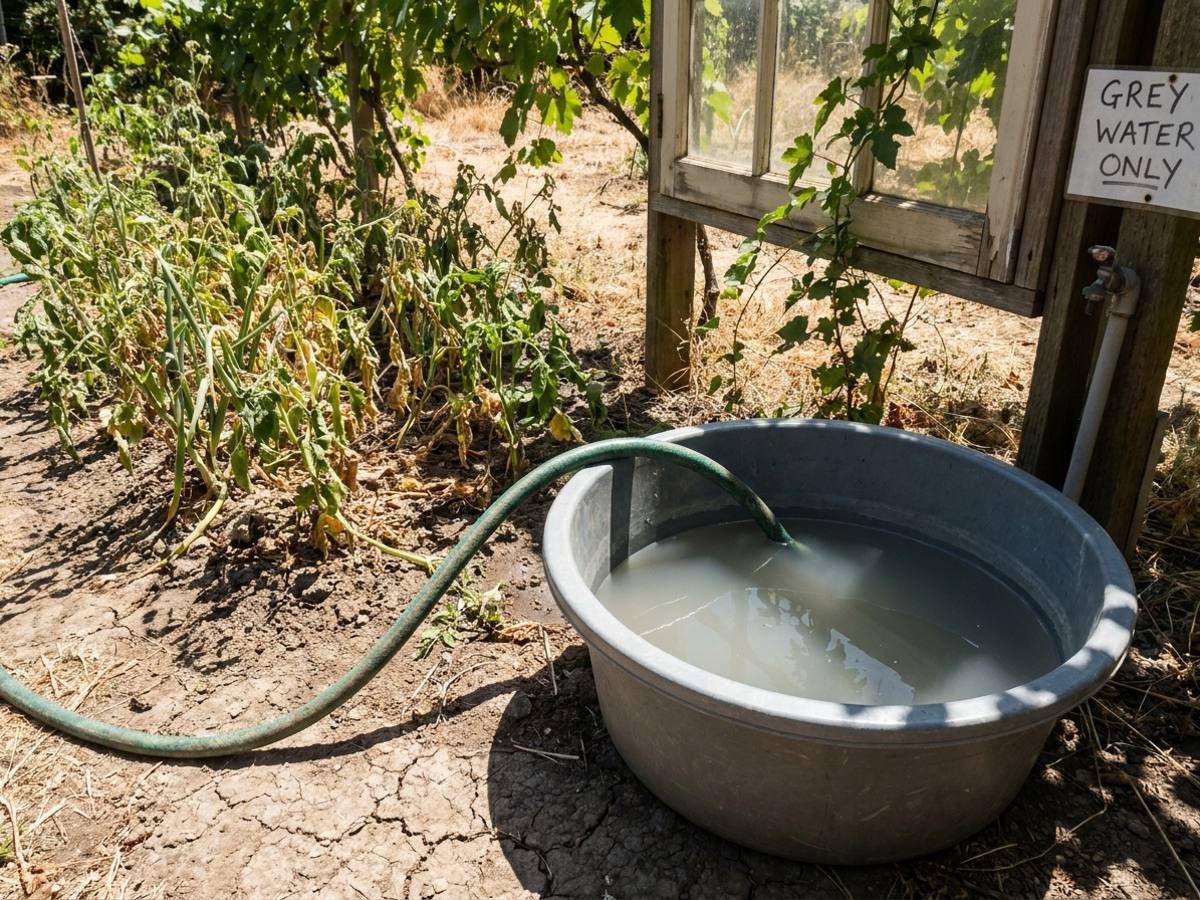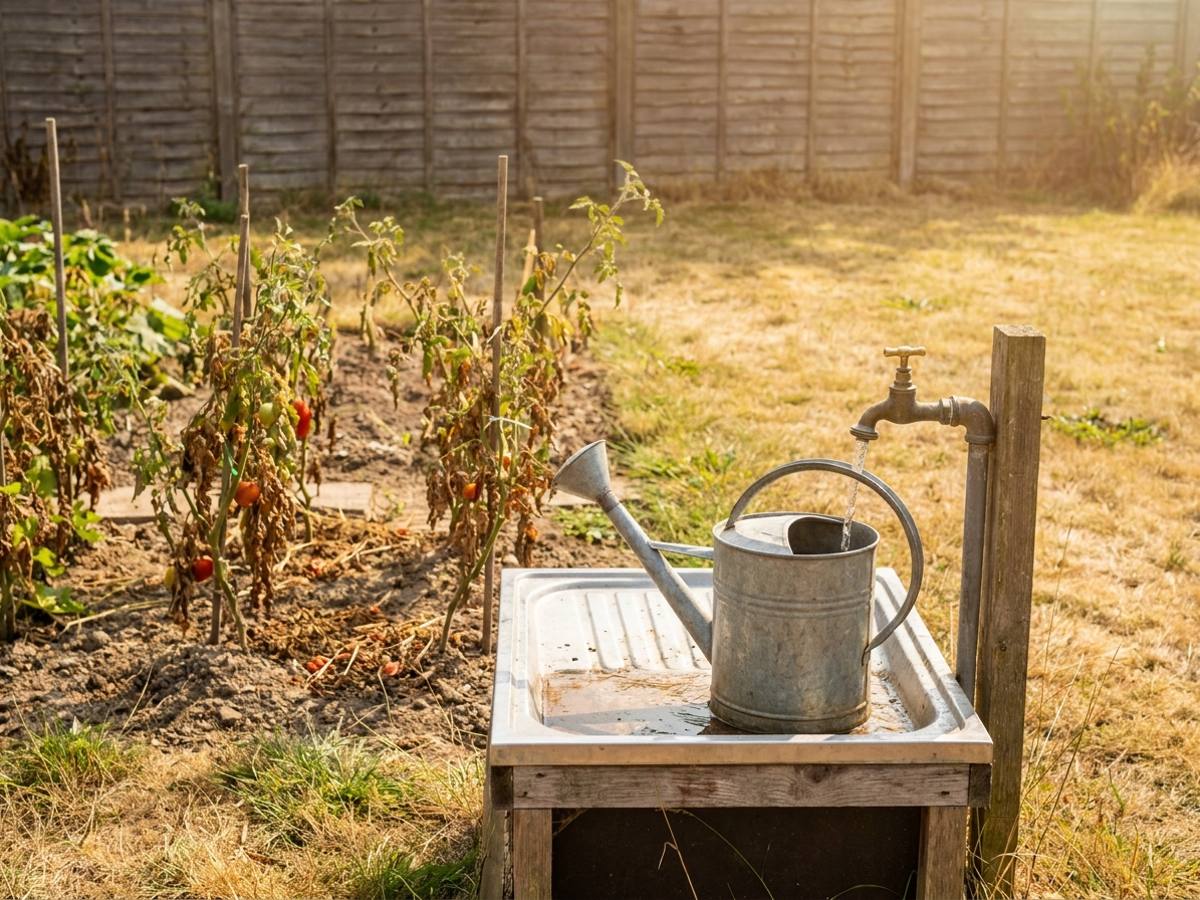
As hosepipe bans tighten across the UK and water restrictions bite in the American Southwest, gardeners are increasingly turning to grey water recycling to keep their vegetables thriving. But here’s the uncomfortable truth: not all household grey water is safe for edible crops, and misunderstanding which sources are genuinely safe could introduce harmful chemicals, pathogens, and salt into your soil. This August, when water stress peaks and temptation to use every available drop is strongest, it’s crucial to know exactly where your grey water comes from.
August is peak growing season in both the UK and US, when tomatoes, courgettes, and root vegetables demand consistent watering. With many regions imposing strict hosepipe bans or mandatory restrictions, gardeners are desperately seeking alternatives. Grey water, which comes from showers, baths, and washing machines, seems like an obvious solution. However, a dangerous assumption persists among home gardeners: that all household grey water is equally safe for vegetable patches.
Not all grey water is created equal. Washing machine water contains surfactants, optical brighteners, and sometimes phosphates that accumulate in soil over time, altering pH levels and reducing microbial activity. Bathroom water may contain personal care products, soap residues, and bacterial growth. Even seemingly innocent kitchen sink water can harbour grease and detergent buildup. Research from the University of Arizona found that greywater systems without proper filtration can introduce sodium concentrations that inhibit plant growth, particularly in arid climates where evaporation concentrates these salts.
The real risk emerges with edible crops. Whilst ornamental plants tolerate grey water more readily, vegetables absorb compounds through their root systems. Leafy greens and root vegetables are especially vulnerable to salt and chemical accumulation in contaminated soil.
Follow these guidelines to identify genuinely safe grey water for your edible garden:
Over the next four weeks, as August temperatures remain high, observe your soil structure and plant vigour closely if you have been using grey water. Watch for salt crusting on soil surfaces, stunted growth, or yellowing leaves, which suggest chemical or salt accumulation. If you spot these signs, stop grey water use immediately and flush affected areas with clean rainwater. The good news: switching to rainwater harvesting now means you’ll build reserves for autumn and spring, when water demand drops but restrictions often remain in place.