Home » Recipes » Main Dish » Chicken Braised with Sweet Peppers, Tomatoes and Smoked Paprika
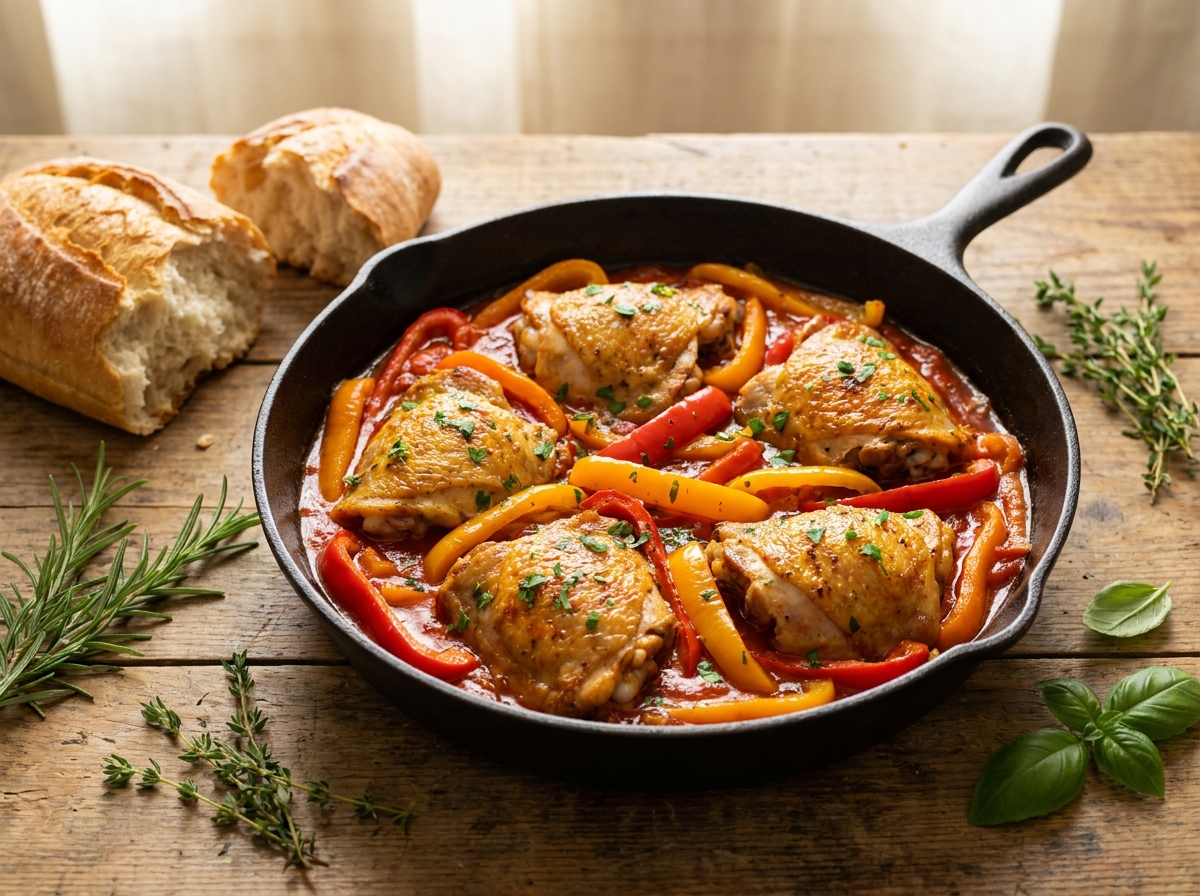
Chicken Braised with Sweet Peppers, Tomatoes and Smoked Paprika
0
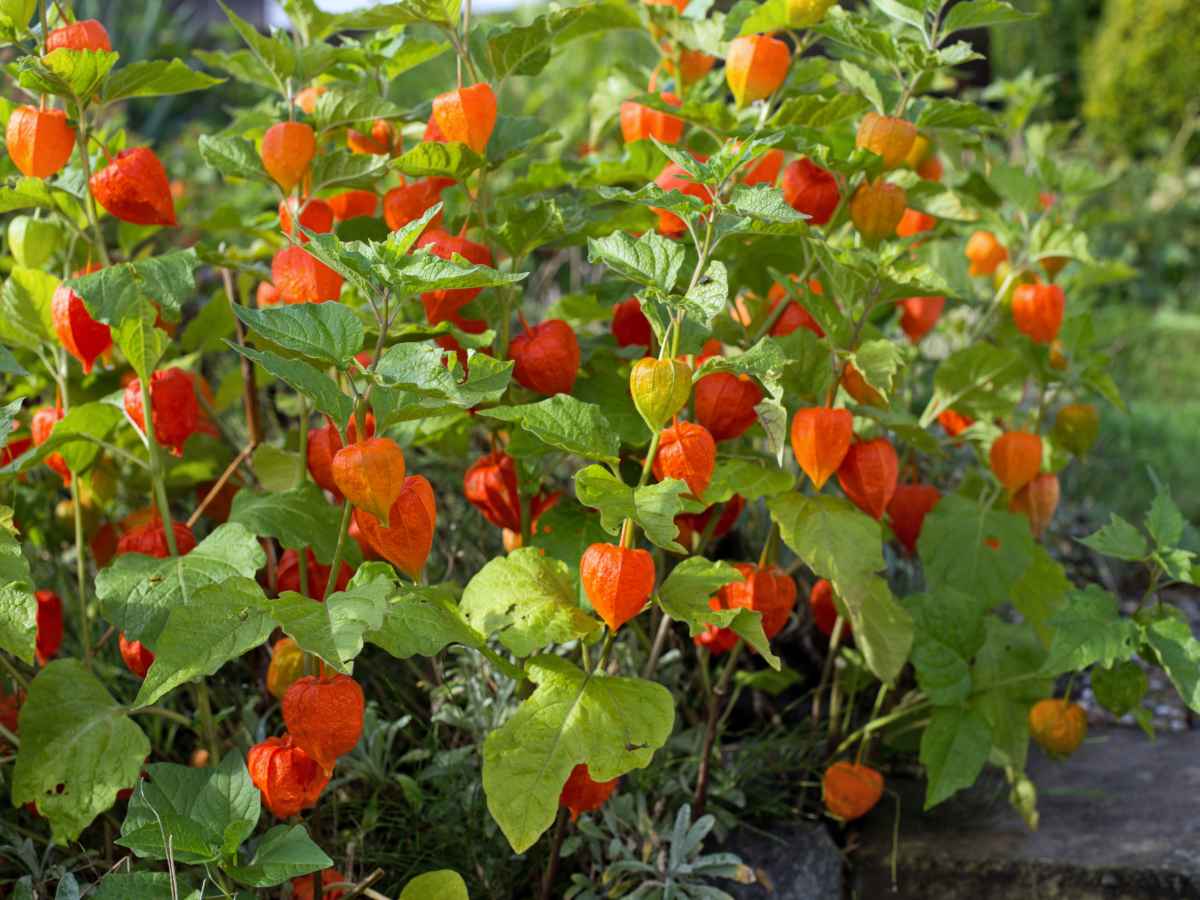
A pepper plant spends all of July looking like a disappointment — green, glossy, stubborn — then in August the fruits blush scarlet, orange and gold within a fortnight, and their sugar content nearly doubles as they ripen. This braise catches them at that exact moment, cooking them down slowly in rendered chicken fat until they collapse into a sweet, silky sauce that needs nothing but bread and a spoon.
4 large ripe sweet peppers, mixed red, orange and yellow (about 1 lb 5 oz / 600 g)
2 medium onions (about 10 oz / 300 g), sliced into thin half-moons
4 garlic cloves, thinly sliced
1 lb 9 oz (700 g) ripe tomatoes, peeled and roughly chopped (or 1 x 14 oz / 400 g tin plus 2 fresh)
2 tsp sweet smoked paprika, plus ½ tsp hot paprika or Espelette pepper
⅔ cup (150 ml) dry white wine
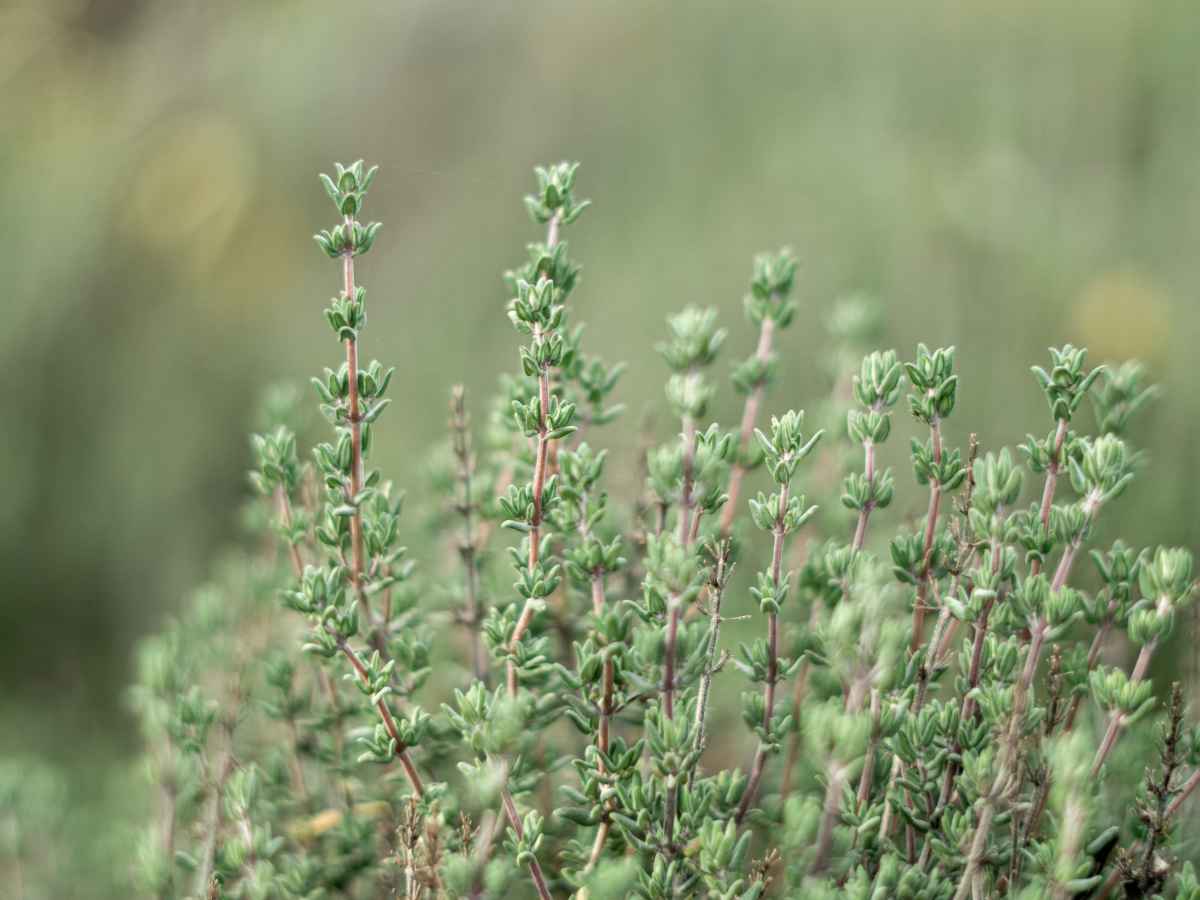
2 bay leaves and 4 thyme sprigs, tied together
1 tbsp sherry vinegar or red wine vinegar
2 tbsp (30 ml) olive oil
A generous handful of flat-leaf parsley, roughly chopped
Fine sea salt and coarsely ground black pepper
The Recipe
Pat the chicken thighs bone-dry with kitchen paper and salt them on both sides at least 20 minutes ahead. Surface moisture steams instead of browning, and salt drawn into the skin dries it further — this is the difference between crisp bronze skin and pale, flabby skin. Do not skip this step.
Lay the thighs skin-side down in a wide, cold heavy casserole or sauté pan, then set it over medium-low heat. Starting cold lets the subcutaneous fat melt out gradually over 12–14 minutes rather than seizing; you want a steady low sizzle and a slick of golden fat, not a spitting roar. Turn only when the skin lifts freely and is deep amber. Sear the flesh side 2 minutes, then remove to a plate.
Pour off all but about 3 tablespoons of the rendered fat and add the olive oil. Cook the onions over medium-low heat for 10 minutes with a pinch of salt, stirring, until they slump and turn translucent at the edges without taking colour — browning here would push the sauce towards bitterness and mask the peppers.
Deseed the peppers and cut them into wide strips about ½ inch (1.5 cm) across. Add them to the onions, raise the heat slightly, and cook for 20–25 minutes, stirring every few minutes. Listen for the sizzle to soften into a wet murmur: that is the peppers releasing their water and beginning to confit in the fat. They should be limp, glossy and sweet enough to eat on their own before you go further.
Push the vegetables aside, add the garlic and both paprikas to the bare hot fat, and stir for 30 seconds only. Paprika is fat-soluble and blooms into deep red aroma almost instantly — but it scorches at 45 seconds and turns acrid, so pour in the wine the moment it smells toasty.
Let the wine bubble hard for 2 minutes, scraping the browned film from the base with a wooden spoon, until the sharp alcohol smell is gone and the liquid has reduced by half. Add the tomatoes, the bay and thyme bundle, ½ teaspoon salt and a good grind of pepper, and simmer 5 minutes until the tomatoes break down and the mixture no longer looks watery.
Nestle the chicken back in skin-side up, along with any juices, so the thighs sit half-submerged with the skin proud of the sauce. Cover partially and cook at a bare tremble — a bubble every second or two — for 30–35 minutes. A full boil tightens the thigh meat; a lazy simmer lets the collagen melt so the meat pulls from the bone with a fork.
Uncover, fish out the herb bundle, and taste. Stir the vinegar through the sauce off the heat: ripe peppers and tomatoes together can read as flat and jammy, and that single tablespoon of acid snaps the whole pan back into focus. Scatter with parsley and rest 5 minutes before serving so the juices redistribute.