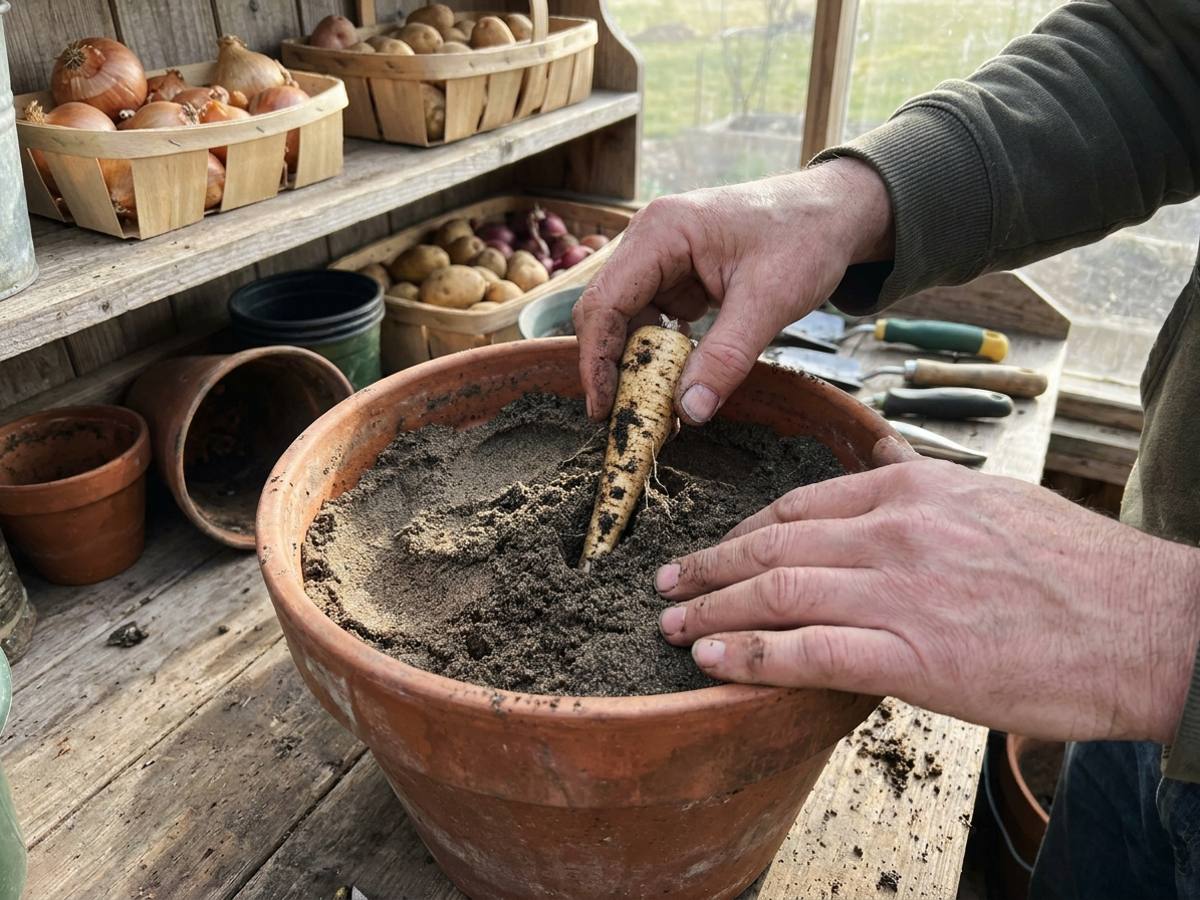
Forget the refrigerator crisper drawer. Root vegetables harvested in early autumn will keep twice as long, stay crispier, and taste sweeter when stored in damp sand inside a cool box in your shed or garage. This centuries-old method works because sand maintains consistent moisture and temperature far better than your fridge. Here’s how to build your own storage system before the main harvest rush begins.
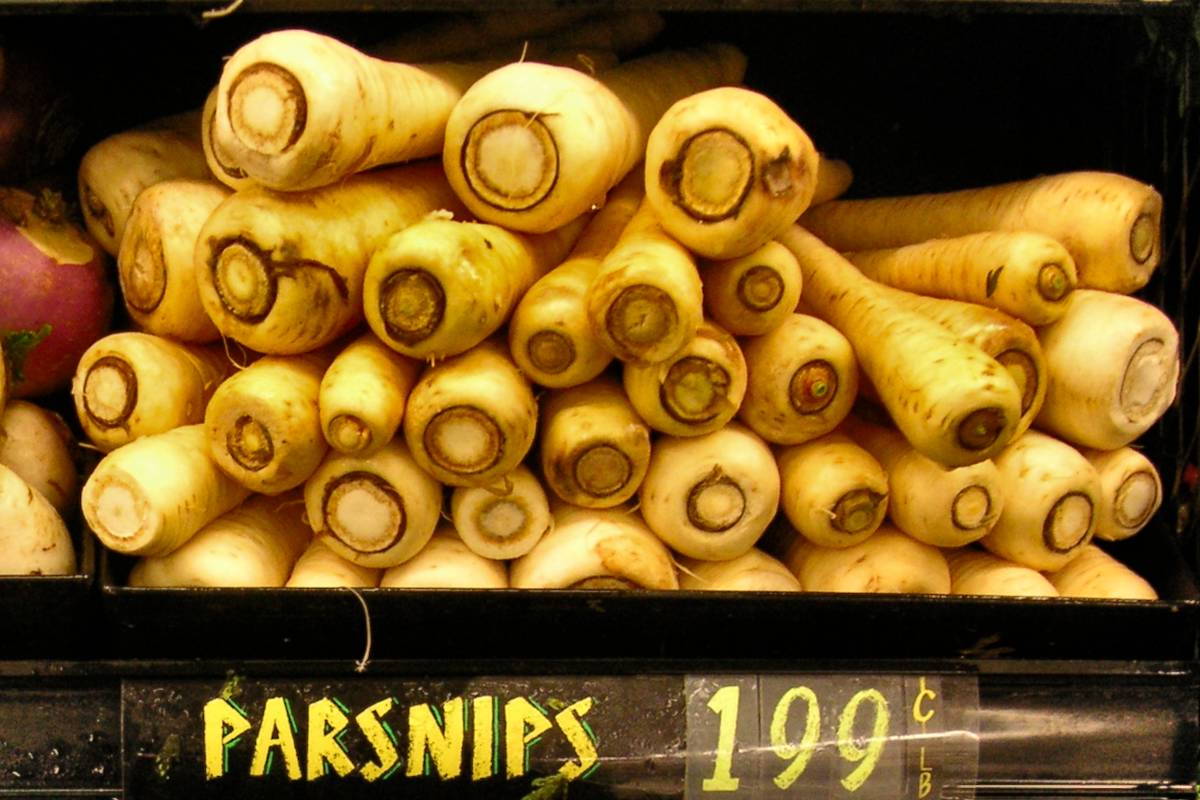
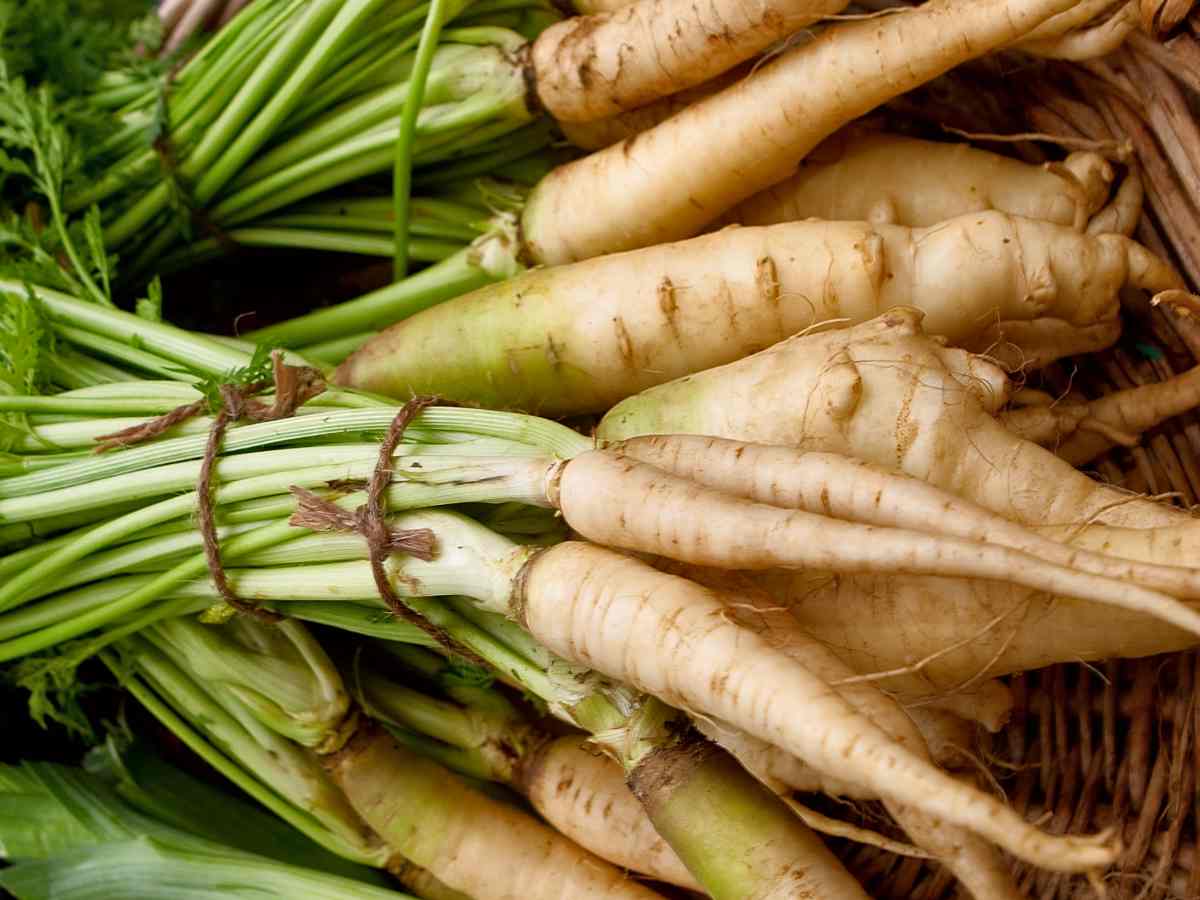
Across the UK and US, gardeners are harvesting the first flush of carrots, parsnips, beetroot, and turnips as soil temperatures drop below 12 °C. This is precisely when these crops reach peak flavour and sugar content. The challenge is that most of us instinctively reach for the refrigerator, where humidity fluctuates and ethylene gas from other produce degrades flavour within weeks.
Not every harvest belongs in the same container. This table sets the damp-sand cool box against the fridge, and against the separate conditions that potatoes, onions and garlic insist on.
| Store | Best for | Conditions | Keeping time |
|---|---|---|---|
| Damp sand in a cool box | Carrots, parsnips, beetroot, turnips | 4-6 °C, cool and dark, never freezing | Four to five months |
| Refrigerator crisper drawer | Roots wanted within weeks | Fluctuating humidity, ethylene from other produce | About six weeks |
| Cool, dark, slightly drier store | Potatoes | Cool and dark, drier than the sand box | Not given |
| Dry, airy store | Onions and garlic | Kept dry and well-ventilated, in their own container | Not given |
Keeping each group in its own store is what prevents one crop’s moisture becoming another’s rot.
A carrot stored in damp sand at 4-6 °C will remain crisp and sweet for four to five months. The same carrot in a fridge typically softens and loses sweetness within six weeks. Sand acts as a natural insulator and moisture regulator, preventing the shrivelling that occurs when cold air dries out vegetable skins. The sand also blocks light, which triggers sprouting in beetroot and encourages bitter compounds in carrots.
For gardeners growing heritage varieties or storing larger harvests for winter cooking and preserving, this difference is transformative. A single cool-storage box costs under £25 to build and requires minimal maintenance beyond occasional misting.
Follow these four steps to create a working cool store before peak harvest arrives:
Check your box monthly and remove any soft or sprouting vegetables immediately; one damaged root can spread decay to neighbours. Mist the sand lightly if it feels dry to the touch. By early spring, when new growth begins in the garden, your stored roots will still taste as fresh as the day you harvested them. This method transforms autumn abundance into reliable winter provisions and proves why traditional gardeners trusted sand long before refrigeration existed.